Staying Independent After 60: What Daily Strength Really Requires
By the Adult Health Advisor Editorial Team
Staying independent after 60 requires a blend of physical, mental, and nutritional strength. It’s about maintaining your ability to manage daily tasks and enjoy life fully. While aging brings changes, how you adapt can greatly influence your quality of life. Understanding these factors can help you navigate this stage in a positive way.
What You’ll Learn
- What changes occur in physical and mental health as we age?
- How can nutrition impact your strength and independence?
- What types of physical activity are most beneficial for older adults?
- Which mental activities can support cognitive health?
- What does current research say about growth hormones and aging?
In this article, you will explore the multifaceted aspects of maintaining independence after the age of 60. You will learn about the natural changes that occur in both physical and mental health as we age, and how these changes can impact daily living. Additionally, the article will delve into the critical role of nutrition in supporting strength and independence, highlighting the importance of nutrient-dense foods. You will also discover the types of physical activities that are most beneficial for older adults, as well as mental exercises that can enhance cognitive health. Finally, the article will address the current research surrounding human growth hormone (HGH) and its implications for aging.
Recognizing Changes in Strength and Independence
As we age, our bodies and minds undergo various changes that can affect our daily lives. You might notice decreased muscle mass, stiffness in joints, or even memory lapses. These changes can make simple tasks feel more challenging, impacting your independence.
But it’s crucial to remember that a healthy lifestyle can help you manage these changes. According to MedlinePlus, as we age, our minds and bodies change, and a healthy lifestyle can help you manage those changes and may prevent some health problems [1]. This means that while aging is inevitable, how you choose to live can make a significant difference in how you feel and function.
You might also find that it’s never too late to make positive changes. Even small adjustments in your daily routine can lead to meaningful improvements in your overall well-being. It’s a reminder that it’s never too late to start taking care of your health [1].
Recognizing the changes in strength and independence is vital for older adults. As you age, you may experience a decline in muscle mass and joint flexibility, which can make everyday tasks more challenging. This decline can lead to a sense of vulnerability and a decrease in confidence regarding your physical abilities. However, understanding these changes allows you to take proactive steps to mitigate their effects. Emphasizing a healthy lifestyle can help you manage these transitions effectively. By focusing on nutrition, physical activity, and mental engagement, you can maintain your independence and improve your overall quality of life, even as you navigate the natural aging process.
Nutritional Needs for Maintaining Strength
As you age, your body requires fewer calories but still needs a wide range of nutrients. This shift means you need to focus on nutrient-dense foods. Think about incorporating more fruits, vegetables, whole grains, lean meats, low-fat dairy, nuts, and seeds into your diet. These foods provide essential vitamins and minerals without excessive calories.
Eating well can help you maintain your strength and energy levels. It’s about providing your body with what it needs to function optimally. According to MedlinePlus, as you age you may need fewer calories but still need enough nutrients, favoring nutrient-dense foods such as fruits, vegetables, whole grains, lean meats, low-fat dairy, nuts, and seeds [1].
Paying attention to your hydration is also important. Sometimes, we forget to drink enough water, which can lead to fatigue and decreased cognitive function. Aim to drink water throughout the day, and consider limiting sugary drinks that can add empty calories.
Nutritional needs evolve as we age, making it essential to adapt our diets accordingly. While caloric intake may decrease, the demand for essential nutrients remains high. This shift necessitates a focus on nutrient-dense foods that provide the vitamins and minerals necessary for optimal health. Incorporating a variety of fruits, vegetables, whole grains, lean proteins, and healthy fats into your meals can help ensure that you meet your nutritional requirements. Additionally, being mindful of hydration is crucial, as older adults may be at risk for dehydration. By prioritizing a balanced diet rich in nutrients, you can support your strength and overall well-being as you age.
The Importance of Movement for Independence
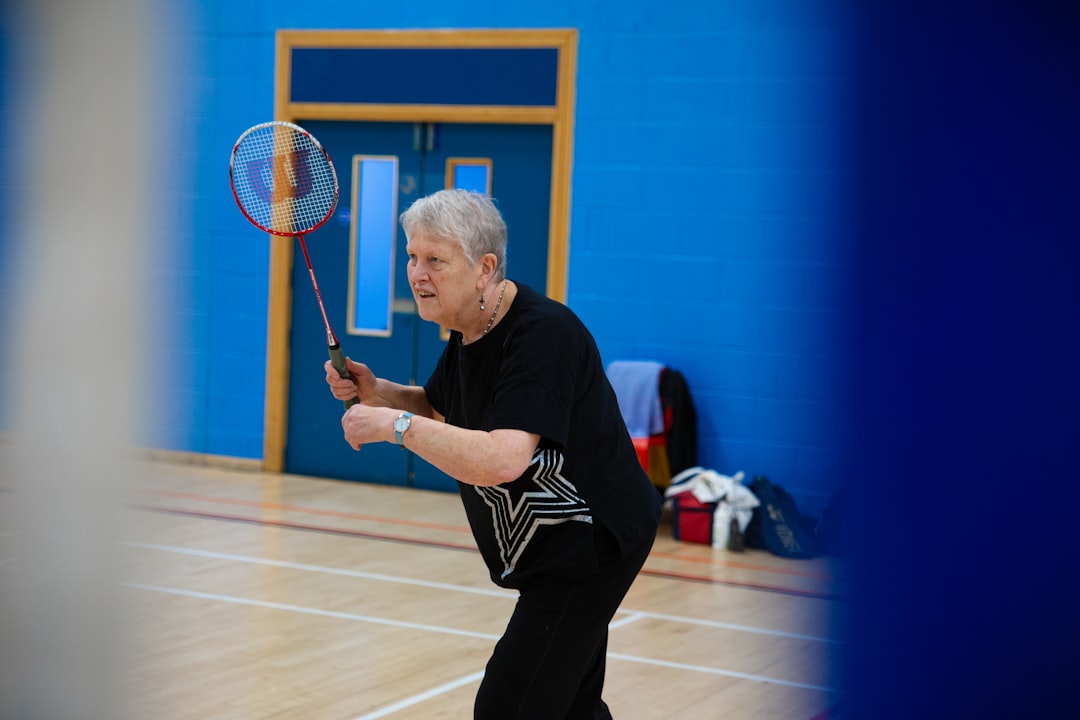
Physical activity is one of the best ways to maintain your independence as you age. Regular movement can help you manage your weight, improve your strength, and reduce the risk of chronic diseases. It doesn’t have to be intense—simple activities like walking, gardening, or even dancing can make a big difference.
Being physically active may help you maintain a healthy weight and avoid chronic health problems [1]. Aim for at least 150 minutes of moderate aerobic activity each week, along with strength training exercises on two or more days a week.
Strength training is particularly important as it helps preserve muscle mass, which naturally declines with age. You don’t need fancy gym equipment; bodyweight exercises, resistance bands, or even household items can be effective.
Incorporating flexibility and balance exercises into your routine can also help prevent falls, a common concern for older adults. Yoga and tai chi are excellent options that promote both flexibility and balance.
Movement is a cornerstone of maintaining independence in older age. Engaging in regular physical activity not only helps manage weight but also plays a significant role in preserving muscle mass and preventing chronic diseases. Activities such as walking, swimming, or even gardening can enhance your physical capabilities without requiring intense workouts. Strength training is particularly beneficial, as it helps counteract the natural decline in muscle mass associated with aging. Incorporating flexibility and balance exercises into your routine can further enhance your stability and reduce the risk of falls. By prioritizing movement, you can foster a sense of independence and improve your overall health.
Keeping Your Mind Sharp
Maintaining mental agility is just as important as physical strength. Engaging in activities that stimulate your brain can support memory and cognitive function. This might include learning new skills, reading, or playing games that challenge your thinking.
Keeping your mind active with activities like learning new skills, reading, and playing games can support memory [1]. Consider joining a book club, taking up a new hobby, or even volunteering. Social interactions can also provide mental stimulation and help combat feelings of loneliness.
It’s essential to find activities that you enjoy. When you’re engaged and interested, you’re more likely to stick with it. This not only keeps your mind sharp but also adds joy to your daily routine.

Keeping your mind sharp is equally important as maintaining physical strength. Engaging in mentally stimulating activities can help preserve cognitive function and memory. Activities such as reading, solving puzzles, or learning new skills can provide the necessary challenge to keep your brain active. Social interactions also play a crucial role in mental engagement, as they can reduce feelings of isolation and promote emotional well-being. Finding enjoyable activities that stimulate your mind will not only enhance cognitive health but also contribute to a more fulfilling daily life. By prioritizing mental activity, you can support your overall independence and quality of life.
Understanding the HGH Question
Human Growth Hormone (HGH) has gained attention in discussions about aging and strength. However, the evidence surrounding its effectiveness is limited and mixed. Studies of healthy adults taking human growth hormone are limited and have shown mixed results [2].
While HGH can boost muscle mass and lower body fat in older adults, the added muscle does not lead to gains in strength [2]. This means that simply increasing muscle mass doesn’t necessarily translate to improved functional strength.
Additionally, HGH treatment can cause side effects in healthy adults, including carpal tunnel syndrome, high blood sugar, swelling in the arms and legs, joint and muscle pain, and enlarged breasts in men [2]. Given these potential risks, it’s crucial to approach HGH with caution and consult with a healthcare provider before considering any treatment.
Lastly, clinical studies of HGH in healthy older adults have been small and short, so little is known about its long-term effects [2].
The discussion surrounding human growth hormone (HGH) and its role in aging is complex and often misunderstood. While some studies suggest that HGH may increase muscle mass and reduce body fat in older adults, the evidence is not conclusive. Importantly, the increase in muscle mass does not necessarily correlate with improved strength, which is a critical factor for maintaining independence. Moreover, potential side effects associated with HGH treatment, such as joint pain and high blood sugar, raise concerns about its safety for healthy adults. Given the limited research on long-term effects, it is essential to approach HGH with caution and seek guidance from healthcare professionals.
Natural Support for Healthy Aging
While diet and exercise form the foundation of healthy aging, there are also natural supportive approaches to consider. These can complement your lifestyle choices without making lofty promises about reversing aging or stopping its effects.
Focus on maintaining a balanced lifestyle that includes regular check-ups with your healthcare provider. They can help you monitor your health and make adjustments as needed.
Incorporating stress-reduction techniques like mindfulness or meditation can also support overall well-being. These practices can help you manage the emotional aspects of aging, promoting a more positive outlook on life.
Natural support for healthy aging encompasses a holistic approach that includes lifestyle choices, regular health check-ups, and stress management techniques. Maintaining a balanced lifestyle is crucial for overall well-being, and regular consultations with healthcare providers can help monitor health status and make necessary adjustments. Additionally, incorporating stress-reduction practices such as mindfulness, meditation, or gentle yoga can enhance emotional resilience and promote a positive outlook on life. These supportive strategies can complement your efforts in nutrition and physical activity, creating a comprehensive framework for healthy aging. By focusing on both physical and mental health, you can foster a more vibrant and independent life.
Frequently Asked Questions
What are common physical changes after 60?
Common changes include decreased muscle mass, joint stiffness, and reduced flexibility. These changes can affect daily activities and overall strength.
How can I ensure I’m getting enough nutrients as I age?
Focus on nutrient-dense foods like fruits, vegetables, whole grains, and lean proteins. These foods provide essential vitamins and minerals without excess calories.
What types of exercise are best for older adults?
A combination of aerobic activities, strength training, and flexibility exercises is ideal. Walking, swimming, and yoga are great options to consider.
How often should I engage in mental activities?
Aim to engage in mental activities daily. This could include reading, puzzles, or learning new skills to keep your mind sharp.
Is HGH treatment safe for older adults?
HGH treatment can have side effects and its long-term effects are not well understood. Always consult with a healthcare provider before considering such treatments.
Sources and References
- MedlinePlus, U.S. National Library of Medicine (NIH). “Healthy Aging”. 2024.
- Mayo Clinic. “Human growth hormone (HGH): Does it slow aging?”. 2024.
Disclaimer: This article is for informational purposes only and does not constitute medical advice. Always consult with a qualified healthcare provider before making changes to your health regimen. Individual results vary.
Leave a Reply