Nutrition After 50: Eating for Energy and Strength
By the Adult Health Advisor Editorial Team
You’ve noticed that your energy levels aren’t what they used to be. Maybe you find yourself feeling fatigued more often, or perhaps you’re struggling to maintain your muscle strength. These feelings can be frustrating and may lead you to wonder how to regain that vigor you once had. Nutrition after 50, eating for energy and strength, becomes crucial as your body undergoes various changes that can impact your overall health and well-being.
Key Points
- As you age, your body undergoes changes that can affect your energy and strength.
- Nutrient-dense foods are essential for maintaining health while needing fewer calories.
- Physical activity plays a vital role in preventing weight gain and chronic health issues.
- Keeping your mind engaged is equally important for overall wellness.
- Natural approaches can support healthy aging alongside a balanced diet and regular exercise.
Understanding the key points of healthy aging can empower you to make informed choices about your lifestyle. Recognizing that your body undergoes changes as you age is crucial, as is the realization that adopting a healthy lifestyle can help manage these changes. Prioritizing nutrient-dense foods, staying physically active, and engaging your mind are all essential components of maintaining your health. Remember, it’s never too late to start taking care of your health, and every small step can lead to significant improvements.
Understanding Changes in Your Body After 50
As you move into your 50s and beyond, you may notice changes in both your mind and body. These changes can manifest in various ways, such as decreased energy levels, muscle loss, and even shifts in mood. It’s natural to feel concerned about these developments, but understanding that a healthy lifestyle can help you manage these changes can be reassuring. According to MedlinePlus, as we age, our minds and bodies change, and a healthy lifestyle can help you manage those changes and may prevent some health problems [1].
You might find that daily tasks feel more challenging than they used to. Simple activities like climbing stairs or carrying groceries can become tiring. This shift can lead to a sense of frustration or even embarrassment. However, it’s important to remember that you’re not alone in experiencing these feelings. It’s never too late to start taking care of your health [1].
Embracing a proactive approach to your health can make a significant difference. By focusing on nutrition and physical activity, you can help mitigate some of the challenges that come with aging. This journey is about finding what works for you and making adjustments that can enhance your quality of life.
As you transition into your 50s, it’s important to recognize that changes in your body are a natural part of aging. These changes can include a decrease in muscle mass, shifts in metabolism, and alterations in energy levels. Understanding these transformations can help you adapt your lifestyle accordingly. By focusing on a balanced diet and regular exercise, you can effectively manage these changes and potentially prevent health issues. Embracing this knowledge can foster a proactive approach to your well-being.
Prioritizing Nutrient-Dense Foods
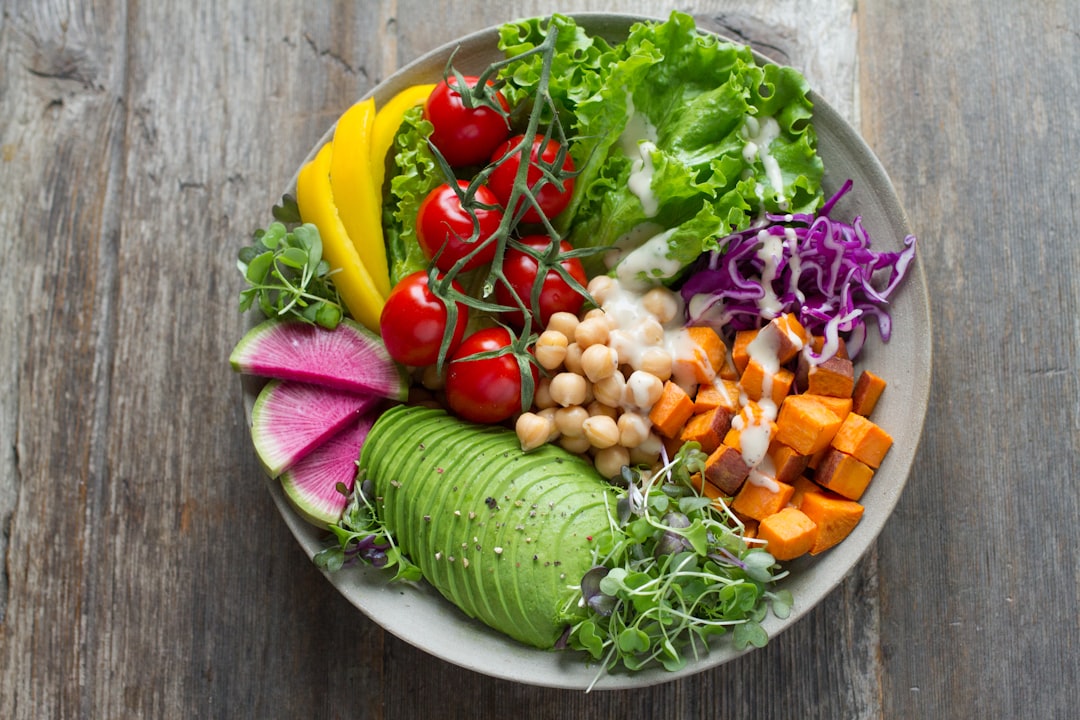
As you age, you might find that your calorie needs decrease, but your nutrient needs remain high. This means that the types of foods you eat become even more important. Nutrient-dense foods—those that provide a high amount of vitamins and minerals relative to their calorie content—should be your focus. These include:
- Fruits and vegetables: Rich in antioxidants and vitamins.
- Whole grains: Provide fiber and essential nutrients.
- Lean proteins: Important for muscle maintenance.
- Low-fat dairy: Offers calcium and vitamin D.
- Nuts and seeds: Great sources of healthy fats.
Incorporating these foods into your diet can help you maintain energy levels and support your overall health. According to MedlinePlus, as you age, you may need fewer calories but still need enough nutrients, favoring nutrient-dense foods such as fruits, vegetables, whole grains, lean meats, low-fat dairy, nuts, and seeds [1].
You might also consider smaller, more frequent meals throughout the day. This approach can help keep your energy levels stable and prevent the fatigue that often accompanies larger meals. It’s all about finding a balance that works for you and your lifestyle.
Prioritizing nutrient-dense foods is essential for maintaining health as you age. These foods not only provide the necessary vitamins and minerals but also help you feel fuller with fewer calories. Incorporating a variety of fruits, vegetables, whole grains, lean proteins, and healthy fats into your meals can enhance your nutritional intake. This approach ensures that you meet your body’s needs without excessive calorie consumption, supporting your energy levels and overall health as you navigate the aging process.
The Importance of Staying Active
Physical activity is a cornerstone of healthy aging. You may have noticed that staying active can help improve your mood and energy levels, making daily tasks feel more manageable. Engaging in regular exercise not only helps maintain a healthy weight but also supports muscle strength and endurance.
You don’t have to commit to an intense workout regimen; even simple activities like walking, swimming, or gardening can make a meaningful impact. According to MedlinePlus, being physically active may help you maintain a healthy weight and avoid chronic health problems [1].
Finding activities you enjoy can make it easier to stay consistent. Consider joining a local class or group that focuses on activities suitable for your fitness level. This can also provide a social aspect that can enhance your overall well-being.
It’s important to remember that it’s never too late to start taking care of your health [1]. Even small changes can lead to significant benefits over time. Whether it’s taking a daily walk or trying a new sport, every bit of movement counts.
Staying active is vital for maintaining both physical and mental health as you age. Regular physical activity can help you manage your weight, improve cardiovascular health, and enhance muscle strength. Engaging in activities you enjoy makes it easier to incorporate exercise into your routine. Whether it’s walking, swimming, or participating in group classes, finding ways to stay active can significantly impact your quality of life. Remember, even small amounts of activity can contribute to your overall health and well-being.
Keeping Your Mind Engaged
While physical health is essential, mental engagement is equally important as you age. You might find that keeping your mind active can help support your memory and cognitive function. Activities like learning new skills, reading, or playing games can provide mental stimulation that contributes to overall wellness.
Engaging in these activities can also serve as a distraction from any worries you might have about aging. It’s a chance to focus on something positive and enriching. According to MedlinePlus, keeping your mind active with activities like learning new skills, reading, and playing games can support memory [1].
Consider setting aside time each week to explore a new hobby or revisit an old one. Whether it’s painting, puzzles, or even taking an online course, these activities can be fulfilling and beneficial for your mental health.
Additionally, maintaining social connections can enhance your mental engagement. Spending time with friends or family, whether in person or virtually, can provide emotional support and stimulate your mind.
Engaging your mind is just as important as physical activity for healthy aging. Mental stimulation through activities like reading, puzzles, or learning new skills can help maintain cognitive function and memory. These activities not only provide enjoyment but also serve as a protective factor against cognitive decline. Setting aside time for mental engagement can enhance your overall wellness and provide a sense of accomplishment. Additionally, social interactions can further enrich your mental health, making it essential to stay connected with others.
Navigating the HGH Conversation
You may have heard discussions around human growth hormone (HGH) and its role in aging. While some claim that HGH can help with muscle mass and energy levels, the reality is more complex. Studies of healthy adults taking human growth hormone are limited and have shown mixed results [2].
While HGH can boost muscle mass and lower body fat in older adults, the added muscle does not lead to gains in strength [2]. This means that while you might see some changes in your physique, it may not translate to improved physical performance or energy levels.
Moreover, HGH treatment can cause side effects in healthy adults, including carpal tunnel syndrome, high blood sugar, swelling in the arms and legs, joint and muscle pain, and enlarged breasts in men [2].
It’s also worth noting that clinical studies of HGH in healthy older adults have been small and short, so little is known about its long-term effects [2]. This uncertainty makes it essential to approach HGH with caution and prioritize natural methods for maintaining energy and strength.
The conversation around human growth hormone (HGH) and its effects on aging is complex and often misunderstood. While some individuals may seek HGH for its potential benefits, it’s crucial to approach this topic with caution. The limited studies available show mixed results, and the side effects can be significant. Understanding the nuances of HGH treatment can help you make informed decisions about your health. Prioritizing natural methods for maintaining energy and strength is often a safer and more effective approach.
Natural Approaches to Support Healthy Aging
As you navigate the changes that come with aging, consider embracing natural approaches that complement a balanced diet and regular exercise. These methods can enhance your overall well-being without relying on unproven treatments.
Focus on nutrient-dense foods that provide the vitamins and minerals your body needs. As mentioned earlier, fruits, vegetables, whole grains, lean proteins, and healthy fats should be staples in your diet. This foundation can help you maintain energy levels and support muscle health as you age [1].
In addition, being physically active may help you maintain a healthy weight and avoid chronic health problems [1]. Whether it’s a brisk walk, yoga, or joining a community sports team, find activities that you enjoy and can commit to regularly.
Lastly, don’t underestimate the power of community and support. Engaging with others who share similar goals can provide motivation and encouragement. Whether it’s through a fitness class, a book club, or online forums, connecting with others can enhance your journey toward healthier aging.
Natural approaches to support healthy aging can be both effective and sustainable. Emphasizing a balanced diet rich in nutrient-dense foods and engaging in regular physical activity are foundational elements. Additionally, fostering social connections and mental engagement can enhance your overall well-being. These strategies not only promote physical health but also contribute to emotional and cognitive resilience. By focusing on these natural methods, you can create a holistic approach to aging that supports your health and vitality.
Frequently Asked Questions
What are the best foods to eat after 50 for energy?
Focus on nutrient-dense foods such as fruits, vegetables, whole grains, lean proteins, and healthy fats. These foods provide essential nutrients while keeping your calorie intake in check.
How can I maintain my strength as I age?
Incorporate regular physical activity, including strength training exercises, into your routine. This helps maintain muscle mass and improve overall strength.
Is it too late to start exercising if I’m over 50?
No, it’s never too late to start taking care of your health. Begin with activities that suit your fitness level and gradually increase intensity as you feel comfortable.
How does mental engagement affect aging?
Keeping your mind active through learning, reading, or playing games can support memory and cognitive function, contributing to overall wellness as you age.
What should I know about human growth hormone and aging?
HGH treatment has shown mixed results in studies, and while it may increase muscle mass, it doesn’t necessarily lead to strength gains. It’s essential to prioritize natural methods for maintaining energy and strength.
As you reflect on these insights, remember that your health journey is unique. Embracing a balanced approach to nutrition and activity can lead to meaningful improvements in your energy and strength as you age.
Sources and References
- MedlinePlus, U.S. National Library of Medicine (NIH). “Healthy Aging”. 2024.
- Mayo Clinic. “Human growth hormone (HGH): Does it slow aging?”. 2024.
Disclaimer: This article is for informational purposes only and does not constitute medical advice. Always consult with a qualified healthcare provider before making changes to your health regimen. Individual results vary.
Leave a Reply