Can Anxiety Cause Erectile Dysfunction in Men Over 40: Understanding the Mental Connection
By the Adult Health Advisor Editorial Team
As the body changes in the mid-40s and beyond, many men may begin to notice shifts in various aspects of their health, including sexual function. One area of concern that often arises is erectile dysfunction (ED), which can be influenced by both physical and psychological factors. Specifically, anxiety is a common contributor to erectile dysfunction in men over 40, affecting self-confidence and relationship dynamics. Understanding how anxiety can play a role in erectile dysfunction is crucial for addressing this sensitive issue.
At a Glance
- Erectile dysfunction can have both psychological and physical causes.
- Anxiety can contribute to erectile dysfunction by creating a cycle of fear and self-doubt.
- Morning erections can indicate that the vascular system is functioning well, suggesting psychological causes for ED.
- Stress, depression, and communication issues in relationships can impact sexual performance.
- Seeking professional help can provide effective strategies for managing psychological ED.
Understanding Psychological Erectile Dysfunction
When discussing erectile dysfunction, it’s essential to distinguish between psychological ED and physical ED. Psychological ED primarily involves the nervous system and mental state rather than vascular problems. While men over 45 may experience a mix of psychological and physical causes, factors like anxiety, depression, and stress can meaningfully contribute to erectile issues. According to the Mayo Clinic[2], recognizing the psychological dimensions of erectile dysfunction is important for effective management.
Intact Morning Erections as a Clinical Signal
A helpful clinical context for understanding erectile dysfunction involves examining morning erections. If a man experiences morning erections, it often suggests that the vascular mechanisms necessary for an erection are functioning properly. This situation may indicate that the cause of erectile dysfunction is more psychological than physical. However, it’s vital to consult a healthcare professional to determine the specific cause of any ED symptoms, as only a doctor can provide a comprehensive evaluation.
Performance Anxiety and Its Impact
Performance anxiety is one of the most common psychological causes of erectile dysfunction. This type of anxiety can create a vicious cycle: the fear of failure during sexual encounters leads to increased anxiety, which in turn can result in difficulties during those encounters. This cycle can perpetuate itself, making it challenging to break free from the fear that accompanies sexual performance. The NIDDK[1] notes that understanding this cycle is crucial for addressing psychological ED effectively.
The Role of Depression in Sexual Function
Depression can also play a significant role in erectile dysfunction. Often, depression not only reduces libido but can also contribute to difficulties achieving or maintaining an erection. Furthermore, certain antidepressant medications may have side effects that impact sexual function, potentially complicating the situation. According to the Mayo Clinic[2], addressing depressive symptoms can be an essential step in improving sexual health.
How Chronic Stress Affects Sexual Function
Chronic stress can interfere with sexual arousal and performance, creating barriers to intimacy. When stress hormones are elevated, they can disrupt sexual response and desire. Some research suggests that prolonged stress may affect hormone balance, but the exact mechanisms are complex and still being studied. The mental and physical demands of sustained stress push the body into a state that is not conducive to sexual arousal. The Mayo Clinic[2] emphasizes that managing stress is vital for maintaining sexual health and overall well-being.
Relationship and Communication Factors
The dynamics of a relationship can also influence erectile dysfunction. Issues such as conflict, poor communication, or trust problems can manifest as sexual difficulties. When partners aren’t effectively communicating their needs or concerns, it can lead to anxiety and reduced intimacy. The Mayo Clinic[2] highlights the importance of addressing relationship factors when considering the causes of erectile dysfunction.
Fear After Previous Sexual Difficulties
A single episode of erectile dysfunction can create anticipatory anxiety for future sexual encounters. This fear can become self-perpetuating, leading to ongoing anxiety about performance. The cycle of worry can make it increasingly difficult to relax and enjoy intimacy, reinforcing the issue. According to the Mayo Clinic[2], understanding this fear is critical for finding ways to move past previous difficulties.
Distinguishing Situational from Persistent ED
Erectile dysfunction can be categorized as either situational or persistent. Situational ED often occurs in specific contexts and may suggest a psychological cause, while persistent ED across all contexts is more likely to have a physical basis. Understanding the nature of the erectile dysfunction can help in determining the most effective approach for addressing it. The NIDDK[1] notes that this distinction is important for diagnosis and treatment.
Exploring Psychotherapy and Sex Therapy
Psychotherapy and sex therapy can offer valuable tools for addressing psychological erectile dysfunction. Techniques such as cognitive-behavioral therapy (CBT), sex therapy, and couples therapy have shown promise in helping men work through anxiety and relationship issues that contribute to ED. It’s essential to consult with a qualified professional to explore these options effectively. The Mayo Clinic[2] recommends considering these therapies for improved sexual health.
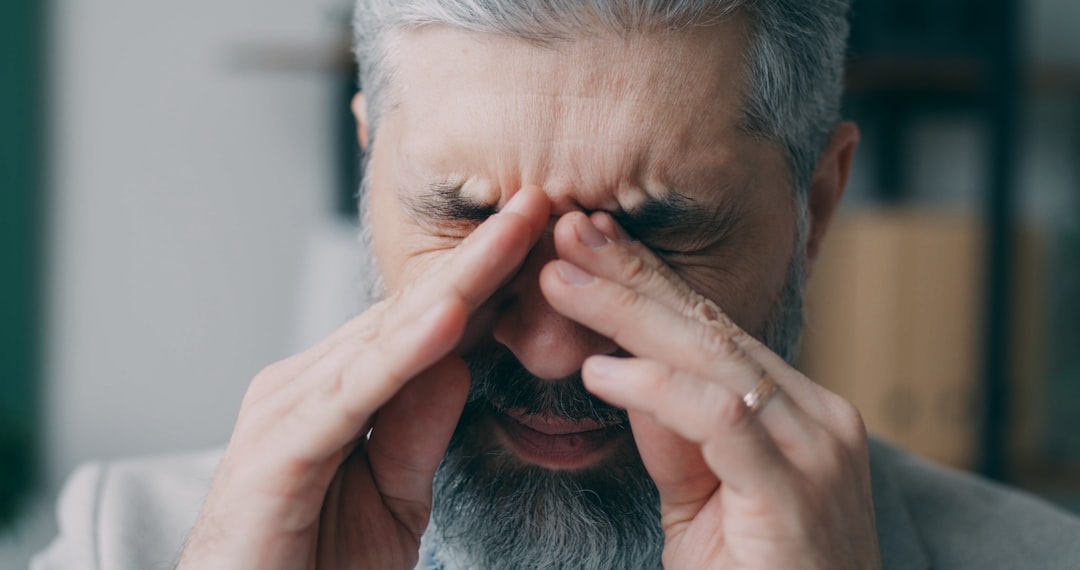
Recognizing When Physical Causes Coexist
In men over 45, it’s common for physical and psychological causes of erectile dysfunction to overlap. Medical evaluations can provide insights into potential physical issues, ensuring that both aspects are addressed. It’s important to rule out any underlying medical conditions that may contribute to ED, as this can inform the most appropriate course of action. The NIDDK[1] emphasizes the need for comprehensive evaluations in these situations.
When to Seek Evaluation for Erectile Dysfunction
If you’re experiencing erectile dysfunction, it’s essential to speak with a healthcare provider. This can include discussions with your primary care physician or consultations with specialists in urology or sexual health. These professionals can help determine the underlying causes and recommend appropriate interventions tailored to your needs. The NIDDK[1] highlights the importance of seeking help to navigate these challenges effectively.
Frequently Asked Questions
Can psychological erectile dysfunction be overcome?
Yes, many men successfully manage psychological erectile dysfunction through various strategies, including therapy and stress management techniques.
How is psychological ED diagnosed?
Diagnosis typically involves a thorough medical evaluation, a discussion of symptoms and sexual history, and possibly some tests to rule out physical causes.
Does age make erectile dysfunction more common?
Yes, while erectile dysfunction can affect men of all ages, it is more common with age, particularly in men over 40.
Can erectile dysfunction affect healthy men?
Yes, even men in good health can experience erectile dysfunction, particularly if they are dealing with stress, anxiety, or relationship issues.
When should I see a doctor for erectile dysfunction?
If you’re experiencing persistent erectile dysfunction, it’s a good idea to consult with a healthcare provider to explore potential causes and treatment options.
As you navigate the complexities of sexual health, understanding the interplay of anxiety and erectile dysfunction can empower you to seek the support you need. By addressing both psychological and physical aspects, you can work towards a more fulfilling intimate life.
Sources and References
- National Institute of Diabetes and Digestive and Kidney Diseases (NIDDK). “Erectile Dysfunction (ED)”. 2024.
- Mayo Clinic. “Erectile dysfunction — Symptoms and causes”. 2025.
- American Urological Association (AUA). “Erectile Dysfunction: AUA Guideline (2018)”. 2018.
- Cleveland Clinic. “Erectile Dysfunction (ED): Causes, Diagnosis & Treatment”. 2023.
- Healthline. “Is Erectile Dysfunction Psychological?”. 2017.
Disclaimer: This article is for informational purposes only and does not constitute medical advice. Always consult with a qualified healthcare provider before making changes to your health regimen. Individual results vary.
Leave a Reply