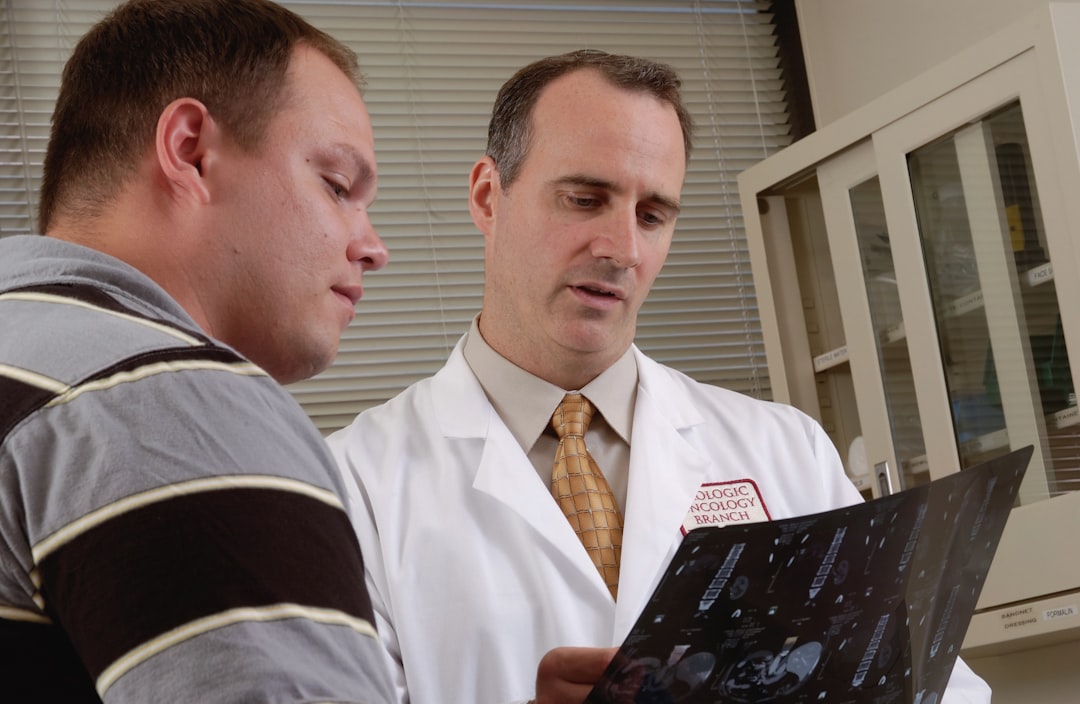
Mindfulness and erectile dysfunction can indeed intersect in meaningful ways. Meditation may help improve sexual performance for some individuals by reducing stress and enhancing overall well-being. While it’s not a one-size-fits-all solution, incorporating mindfulness can offer benefits that could be helpful for those experiencing erectile dysfunction (ED).
What You’ll Learn
1. What is erectile dysfunction and how common is it? 2. How do vascular and cardiovascular health affect erections? 3. Which hormonal factors play a role in erectile dysfunction? 4. What lifestyle choices can help manage ED? 5. When should you consult a healthcare professional about erectile dysfunction?
Understanding Erectile Dysfunction: A Common Concern
Erectile dysfunction, or ED, is the inability to achieve or maintain an erection firm enough for sexual intercourse. It’s more common with age, affecting many men, especially those over 45. The Mayo Clinic[2] notes that while ED can be distressing, it is treatable, and understanding its causes is the first step toward addressing it. According to the National Institute of Diabetes[1] and Digestive and Kidney Diseases (NIDDK), factors contributing to ED can range from physical health issues to psychological factors.
Blood Flow and Heart Health: The Connection to Sexual Function
Reduced blood flow plays a crucial role in achieving and maintaining an erection. If blood vessels are narrowed or damaged, it can lead to difficulties in getting an erection. This is directly linked to cardiovascular health. The Mayo Clinic[2] explains that conditions like high blood pressure and high cholesterol can affect blood flow, making it harder to achieve an erection. Maintaining good heart health is essential, as it supports overall vascular function.
Hormonal Factors: The Role of Testosterone
Testosterone is a key hormone that influences libido and erectile function. While clinically low testosterone may contribute to ED, it’s important to note that not every case of ED is linked to hormone levels. The Mayo Clinic[2] emphasizes the need to evaluate testosterone levels when considering potential hormonal causes of ED. If hormonal imbalances are identified, discussing options with a healthcare provider is crucial.
Metabolic Health: Risks from Diabetes and Obesity
Metabolic health plays a significant role in erectile function. Conditions like diabetes, obesity, and metabolic syndrome are risk factors for developing ED. The NIDDK[1] highlights that these conditions can damage nerves and blood vessels, both critical for achieving an erection. Managing weight, blood sugar levels, and metabolic health can contribute to better sexual performance and overall health.
Medications That May Affect Erections
Certain medications can impact erectile function. Common classes include:
Antihypertensives (for high blood pressure)
Antidepressants
Anti-anxiety drugs
If you suspect your medication might be contributing to ED, it’s essential to consult your prescribing physician. The NIDDK[1] strongly advises against stopping or adjusting any medication without professional guidance.
Psychological Overview: The Mind-Body Connection
While this section isn’t meant to delve deeply into psychological issues, stress, anxiety, and depression can contribute to erectile dysfunction. These emotional factors can interfere with sexual arousal and performance. The NIDDK[1] notes that addressing mental health is often a vital component of treatment for ED, and there are dedicated resources for those looking to explore this further.
Neurological and Structural Causes: Beyond the Basics
In some cases, nerve damage, spinal injuries, or structural conditions can lead to erectile dysfunction. For example, nerve damage from diabetes or injury can disrupt the signals necessary for an erection. The Mayo Clinic[2] mentions that these structural issues, while less common, also need to be considered when evaluating ED.
When to Consult a Healthcare Professional
If you experience persistent erectile dysfunction, it’s important to seek medical evaluation. It may indicate underlying cardiovascular or metabolic conditions that require attention. The NIDDK[1] stresses that early intervention can lead to better health outcomes and should not be overlooked.
Lifestyle Approaches That May Help Improve Erectile Function
Making healthy lifestyle changes can meaningfully impact erectile function. Here are some suggestions:
Exercise regularly: Aim for at least 150 minutes of moderate exercise per week, as recommended by the NIDDK.
Eat a balanced diet: Focus on fruits, vegetables, whole grains, and lean proteins.
Get enough sleep: Aim for 7-9 hours of quality sleep each night.
Limit alcohol: Excessive drinking can impair erectile function.
Avoid smoking: This can constrict blood vessels and reduce blood flow.
Implementing these changes can not only help with ED but also improve overall health and well-being.
A Note on Supplements: Proceed with Caution
While natural supplements are popular among those seeking solutions for erectile dysfunction, it’s essential to approach them with caution. The U.S. Food and Drug Administration[4] (FDA) warns that some products may contain undeclared pharmaceutical ingredients that can pose health risks. Always consult with a healthcare professional before trying new supplements.
Frequently Asked Questions
Is erectile dysfunction reversible?
Erectile dysfunction can be reversible, especially if it’s related to lifestyle choices or certain medical conditions. Consulting a healthcare provider can help identify the best approach.
Does age play a role in erectile dysfunction?
Yes, erectile dysfunction is more common with age, but it can affect younger men as well. Understanding the underlying causes is key to managing the condition.
How is erectile dysfunction related to heart disease?
Erectile dysfunction can be an early warning sign of cardiovascular issues, as both conditions share similar risk factors like poor blood circulation.
When should I see a doctor about erectile dysfunction?
You should consult a healthcare professional if you experience persistent erectile dysfunction, as it may indicate underlying health concerns that need to be addressed.
How can lifestyle choices impact erectile function?
Healthy lifestyle choices, such as regular exercise and a balanced diet, can improve erectile function and overall well-being.
Incorporating mindfulness practices, such as meditation, can complement these lifestyle changes. Focusing on the present moment may help reduce anxiety, thereby positively influencing sexual performance.
Disclaimer: This article is for informational purposes only and does not constitute medical advice. Always consult with a qualified healthcare provider before making changes to your health regimen. Individual results vary.
As we age, particularly after 50, many people experience changes in their bodily functions, including urinary health. One common issue that can arise during this life stage is overactive bladder (OAB), characterized by a sudden, strong urge to urinate, often leading to increased frequency and sometimes even incontinence. Understanding how to manage these symptoms is crucial, and one effective strategy is to keep a bladder diary. This article will explore how tracking urge patterns can help manage overactive bladder symptoms.
At a Glance
Overactive bladder is characterized by urinary urgency, often accompanied by increased frequency and nocturia.
It is best understood as a symptom complex rather than a disease.
Urgency is the hallmark symptom of overactive bladder, making it distinct from normal urges.
A urinary tract infection (UTI) can mimic OAB symptoms, so it’s essential to rule it out.
Behavioral therapies, including bladder training and pelvic floor exercises, are recommended as first-line treatments.
Overactive bladder (OAB) is a condition that affects many individuals, particularly as they age. It is characterized by a sudden, strong urge to urinate, often leading to increased frequency and nocturia. Understanding OAB as a symptom complex rather than a disease is crucial for effective management and treatment.
Understanding Overactive Bladder Symptoms
Overactive bladder (OAB) is characterized by urinary urgency—a sudden, compelling need to urinate—often accompanied by increased frequency and nocturia, which is waking up at night to urinate. It’s important to note that OAB can occur with or without urge incontinence, which is the involuntary loss of urine associated with that urgency. This condition is defined by its symptoms rather than a specific pathological mechanism, making it a symptom complex rather than a disease [1].
Understanding OAB can be crucial for adults experiencing these symptoms, as it helps to frame the experience not as an inevitable part of aging but rather as a manageable condition. According to the American Urological Association and the Society of Urodynamics, Female Pelvic Medicine & Urogenital Reconstruction, recognizing OAB as a symptom complex is vital for effective management [1].
Recognizing the symptoms of overactive bladder is essential for those affected. The urgency associated with OAB can significantly impact daily life, making it important to differentiate between normal urinary urges and those indicative of OAB. This understanding can empower individuals to seek appropriate care and management.
The Hallmark of Urgency
Urgency is the defining symptom of overactive bladder. It is described as a sudden, compelling desire to urinate that is difficult to defer [1]. This urgency is different from the normal urge to urinate, which is typically manageable. In OAB, the urgency can be overwhelming and may lead to anxiety about finding a restroom in time, affecting daily activities and quality of life.
Understanding this distinction is essential for those experiencing these symptoms. It can help to normalize the experience and encourage individuals to seek appropriate management strategies. Recognizing urgency as a hallmark symptom can also assist healthcare providers in diagnosing and developing treatment plans tailored to the individual’s needs.
The hallmark symptom of overactive bladder is urgency, which is a sudden and compelling need to urinate that can be difficult to control. This urgency can lead to anxiety and affect social interactions, emphasizing the need for effective management strategies to improve quality of life for those affected.
Urge Incontinence: When Urgency Leads to Leakage
Overactive bladder can manifest in different ways, resulting in two primary classifications: OAB-wet and OAB-dry. OAB-wet is characterized by urgency accompanied by involuntary leakage of urine, while OAB-dry involves urgency without leakage [1].
It’s also important to note that mixed incontinence, which includes a stress component, can coexist with OAB symptoms. This complexity highlights the need for a thorough evaluation by a healthcare provider to determine the best management approach. Understanding whether you experience OAB-wet or OAB-dry can guide the development of a more effective treatment plan.
Understanding the distinction between OAB-wet and OAB-dry is important for individuals experiencing these symptoms. OAB-wet involves involuntary leakage, while OAB-dry does not. This classification can guide treatment decisions and help individuals communicate their experiences more effectively with healthcare providers.
Conditions That Can Cause Similar Urgency Symptoms
Certain neurological conditions can cause symptoms that resemble those of overactive bladder. Conditions such as multiple sclerosis, Parkinson’s disease, stroke, and spinal cord injuries can lead to involuntary contractions of the detrusor muscle, resulting in urgency symptoms [1].
It’s crucial for individuals experiencing these symptoms to seek a specialist evaluation. This is because the management of OAB symptoms may differ significantly if they are caused by a neurological condition. A proper diagnosis is essential for effective treatment, and understanding the underlying cause can empower individuals to make informed decisions about their health.
Various neurological conditions can lead to symptoms similar to those of overactive bladder. Recognizing these conditions is vital, as they may require different management approaches. A thorough evaluation by a healthcare professional can help determine the underlying cause of urgency symptoms.
Ruling Out Urinary Tract Infections
One of the first steps in addressing symptoms of urgency and frequency is to rule out a urinary tract infection (UTI). UTIs can produce symptoms that mimic those of overactive bladder, including urgency and increased frequency [1].
Before considering treatment options for OAB, it’s essential to confirm whether a UTI is present. This often involves a simple urine test. If a UTI is diagnosed, appropriate treatment can resolve the symptoms. However, if no infection is found, it may be time to explore other management strategies for OAB.
Ruling out a urinary tract infection (UTI) is a critical step in addressing symptoms of urgency and frequency. UTIs can produce similar symptoms to OAB, making it essential to confirm their presence through testing. This ensures that appropriate treatment is provided based on the correct diagnosis.
Diabetes and Its Impact on Bladder Function
Diabetes, particularly when blood sugar levels are poorly controlled, can significantly affect bladder function. Diabetic neuropathy may contribute to urgency and frequency by damaging the nerves that control bladder function [1].
For adults managing diabetes, maintaining optimal blood sugar levels is crucial not only for overall health but also for bladder health. If you notice changes in your urinary patterns, it may be worthwhile to discuss these with your healthcare provider, as adjustments in diabetes management could have a meaningful impact on your bladder symptoms.
Diabetes can have a significant impact on bladder function, particularly when blood sugar levels are not well controlled. Understanding the relationship between diabetes and bladder health can help individuals manage their symptoms more effectively and highlight the importance of discussing urinary changes with healthcare providers.
Menopause and Its Effects on Bladder Health
For women, the transition into menopause can bring about various changes, including those affecting bladder health. The decline in estrogen levels during and after menopause can impact the urothelium (the bladder lining) and pelvic floor tissues, potentially contributing to urgency and urge incontinence [2].
Understanding this connection can help women recognize that bladder changes may be linked to hormonal fluctuations. It also emphasizes the importance of discussing these symptoms with a healthcare provider, as there are various strategies available to manage them effectively.
The effects of menopause on bladder health are significant, as declining estrogen levels can impact the bladder lining and pelvic floor. Recognizing this connection can help women understand their symptoms better and seek appropriate management strategies to alleviate discomfort.
Bladder Training Techniques
One of the most effective behavioral therapies for managing overactive bladder is bladder training. This involves scheduled voiding and techniques to suppress the urge to urinate. The American Urological Association and the Society of Urodynamics recommend bladder training as a first-line treatment for OAB [1].
Bladder training can help individuals gradually increase the time between urination, thus reducing the urgency and frequency of bathroom visits. It may also involve techniques such as distraction or relaxation strategies when the urge to urinate arises. Keeping a bladder diary can be an invaluable tool in this process, allowing individuals to track their urges and identify patterns that can inform their training.
Bladder training techniques are an effective first-line treatment for managing overactive bladder symptoms. These techniques can help individuals develop better control over their urges and reduce the frequency of bathroom visits, ultimately improving their quality of life.
Managing Fluid Intake and Caffeine
Another important aspect of managing overactive bladder symptoms involves fluid and caffeine management. Reducing caffeine intake and moderating total fluid consumption can help alleviate OAB symptoms. However, it’s essential to avoid excessive fluid restriction, as this can lead to dehydration and other health issues [1].
Keeping a bladder diary can assist in identifying how different beverages affect your symptoms. For example, tracking when you consume caffeine or large amounts of fluid can help pinpoint triggers for urgency and frequency, allowing for more informed choices in your daily routine.
Managing fluid intake and caffeine consumption is an important aspect of controlling overactive bladder symptoms. By identifying personal triggers through a bladder diary, individuals can make informed choices about their fluid intake, helping to alleviate urgency and frequency.
Pelvic Floor Therapy: A Key Component
Pelvic floor muscle training can be an effective approach for managing overactive bladder symptoms. Combining pelvic floor exercises with urge suppression techniques can provide significant benefits [1].
Working with a pelvic floor physical therapist can enhance the effectiveness of this training. They can provide personalized strategies and exercises tailored to your specific needs, helping to strengthen the muscles that support bladder function and improve overall bladder control.
Pelvic floor therapy plays a crucial role in managing overactive bladder symptoms. By strengthening pelvic floor muscles and incorporating urge suppression techniques, individuals can improve bladder control and reduce the impact of urgency on their daily lives.
Seeking Medical Evaluation: A Step Toward Relief
Overactive bladder is a highly treatable condition, yet many individuals may accept these symptoms as an inevitable part of aging. It’s essential to recognize that effective treatments are available, and a healthcare provider can help [2].
If you’re experiencing symptoms of OAB, don’t hesitate to seek evaluation. A thorough assessment can lead to a tailored management plan that addresses your unique symptoms and improves your quality of life.
Seeking medical evaluation for overactive bladder symptoms is a proactive step toward relief. Many individuals may mistakenly believe that these symptoms are a normal part of aging, but effective treatments are available, and healthcare providers can offer tailored management plans.
Frequently Asked Questions
Is OAB the same as incontinence?
No, overactive bladder (OAB) is characterized by urgency and frequency, while incontinence refers specifically to the involuntary loss of urine. OAB can occur with or without incontinence.
Can OAB be cured?
While there is no definitive cure for OAB, many effective management strategies exist to help control symptoms and improve quality of life.
Does age cause OAB?
OAB is more common with age, but it is not solely caused by aging. Various factors, including hormonal changes and underlying health conditions, can contribute to its development.
What foods or drinks worsen OAB symptoms?
Common triggers for OAB symptoms can include caffeine, alcohol, carbonated beverages, and spicy foods. Keeping a bladder diary can help identify personal triggers.
Is pelvic floor therapy effective for OAB?
Yes, pelvic floor therapy can be an effective treatment for OAB. It focuses on strengthening the pelvic muscles and improving bladder control, often leading to symptom relief.
Keeping a bladder diary can be a practical and empowering tool for managing overactive bladder symptoms. By tracking urge patterns and identifying triggers, individuals can take meaningful steps toward improving their urinary health.
Disclaimer: This article is for informational purposes only and does not constitute medical advice. Always consult with a qualified healthcare provider before making changes to your health regimen. Individual results vary.
As men age, testosterone levels naturally decline, which can lead to various physical and emotional changes. This decline often becomes noticeable after the age of 55, impacting daily life in ways that can feel concerning. Understanding what to expect can help men navigate this phase of life with greater awareness and confidence.
Clinical Highlights
Prevalence: Low testosterone is common among men over 55, affecting various aspects of health and well-being.
Primary cause: Aging is a significant factor in the gradual decline of testosterone levels.
Key risk factors: Chronic illnesses, obesity, and certain medications can contribute to low testosterone.
Main management approaches: Diagnosis typically involves blood testing, and management may include lifestyle changes and medical interventions.
When to see a doctor: Consult a healthcare provider if experiencing symptoms like low libido, fatigue, or mood changes.
The clinical landscape surrounding low testosterone is complex, with a significant prevalence among men over 55. This condition can lead to various health issues, including diminished energy levels and emotional well-being. Recognizing the multifaceted nature of low testosterone is essential for effective management. Men experiencing symptoms should be proactive in seeking medical advice, as timely intervention can improve quality of life. Understanding the clinical implications of low testosterone can empower men to take charge of their health and well-being as they age.
Understanding Testosterone and Its Roles
Testosterone is the primary male sex hormone, produced mostly in the testicles [1]. It plays a crucial role in several bodily functions, including:
Libido: Testosterone is essential for maintaining sexual interest and drive.
Mood Regulation: It influences mood stability and emotional well-being.
Muscle Mass: Testosterone contributes to muscle strength and mass maintenance.
As men age, it’s important to set realistic expectations regarding testosterone’s role. While testosterone is vital for various functions, the natural decline in levels doesn’t mean an end to vitality or sexual health. Instead, it often leads to a gradual change in how these functions manifest, rather than a complete shutdown.
Low testosterone can affect sex drive, mood, and muscle mass in men [1]. Recognizing these changes can help men understand their bodies better and seek appropriate support.
Understanding testosterone’s multifaceted roles is crucial for men as they age. Beyond its primary function as a male sex hormone, testosterone influences various physiological processes, including fat distribution and red blood cell production. It also plays a role in cognitive functions, such as memory and concentration. As testosterone levels decline, men may notice changes in these areas, which can affect their overall quality of life. Recognizing the broader implications of testosterone can help men appreciate its importance and seek appropriate support when needed.
The Natural Decline of Testosterone with Age
Testosterone levels naturally decline with age, a phenomenon that many men may experience as they reach their 50s and beyond [1]. This decline is gradual, not a sudden drop, meaning that while levels may decrease, they do not necessarily fall to critically low levels overnight [2].
This age-related change is sometimes referred to as andropause, which describes a general slowing of hormonal function rather than a complete loss of testosterone. It’s crucial to understand that while testosterone levels may decrease, many men can still enjoy fulfilling sexual relationships and maintain their overall health.
Recognizing that this decline is a natural part of aging can help men approach their health with a more balanced perspective. Instead of viewing these changes as alarming, men can focus on understanding how to adapt to them.
The gradual decline of testosterone with age is a normal physiological process that can vary significantly among individuals. While some men may experience more pronounced changes, others may maintain relatively stable levels well into their later years. This variability underscores the importance of individualized assessments rather than a one-size-fits-all approach. Understanding that this decline is a natural aspect of aging can help men manage their expectations and focus on maintaining their health through proactive lifestyle choices.
Recognizing Signs of Low Testosterone
As testosterone levels decline, men may experience a variety of symptoms that can significantly affect their daily lives. Some common signs include:
Reduced Sexual Interest: A noticeable decrease in libido can be one of the first signs of low testosterone.
Erectile Difficulty: Challenges in achieving or maintaining an erection may occur.
Fatigue: Unexplained tiredness or a lack of energy can be linked to lower testosterone levels.
Mood Changes: Men may experience increased irritability, sadness, or mood swings.
Lower Muscle Mass: A decrease in muscle strength and mass may also be observed.
Thinning Bones: Low testosterone can contribute to a reduction in bone density, increasing the risk of fractures [1].
It’s important to note that these symptoms can overlap with other health issues, making it essential to consult a healthcare provider for a comprehensive evaluation. Age-related hormonal change, or andropause, represents a general slowing rather than a complete loss of function [2].
Recognizing the signs of low testosterone is vital for early intervention and management. Symptoms can manifest in various ways, and their impact can extend beyond physical health to emotional and psychological well-being. Men experiencing these symptoms should not dismiss them as mere signs of aging but rather view them as potential indicators of low testosterone. Acknowledging these changes can facilitate discussions with healthcare providers, leading to appropriate evaluations and potential treatment options tailored to individual needs.
Factors Contributing to Low Testosterone
While aging is a primary factor, several other elements can contribute to low testosterone levels. These include:
Chronic Illness: Conditions such as diabetes, liver disease, and kidney disease can affect hormone production.
Pituitary or Thyroid Problems: Disorders affecting these glands can disrupt testosterone levels.
Obesity: Excess body fat, particularly around the abdomen, is associated with lower testosterone levels.
Obstructive Sleep Apnea: This condition can interfere with hormone regulation and overall health.
Certain Medications: Some medications, including opioids and steroids, can impact testosterone production.
Injury: Trauma to the testicles can also lead to decreased testosterone levels [1].
It’s essential to understand that while aging is a factor, it does not prevent men from enjoying active sexual relationships [2]. A thorough evaluation by a healthcare professional can help identify any underlying causes and guide appropriate management.
In addition to aging, understanding the various factors contributing to low testosterone is essential for comprehensive health management. Each contributing factor can interact with others, creating a complex web of influences on hormone levels. For instance, obesity can exacerbate hormonal imbalances, while chronic illnesses may further complicate the picture. Recognizing these interconnected factors can help men and their healthcare providers develop a more effective management plan that addresses not only testosterone levels but also overall health and lifestyle.
Diagnosing low testosterone is not solely based on symptoms; it requires a blood test to confirm the condition [1]. This testing is crucial as it protects against self-diagnosis and ensures that any treatment plan is based on accurate information.
Blood tests typically measure total testosterone levels, and results can vary based on several factors, including the time of day the test is conducted. Testosterone levels can fluctuate throughout the day, so a healthcare provider may recommend multiple tests to get a clear picture.
By relying on blood tests for diagnosis, men can avoid the pitfalls of assuming low testosterone based solely on symptoms. This approach allows for a more accurate and effective management strategy tailored to individual needs.
Blood testing is a cornerstone of diagnosing low testosterone, providing objective data that complements clinical evaluations. The timing of the test is particularly important, as testosterone levels can fluctuate throughout the day, with higher levels typically observed in the morning. Understanding this variability can help men prepare for testing and ensure accurate results. A thorough diagnostic process, including repeat testing if necessary, allows for a more informed approach to treatment and management, ultimately leading to better health outcomes.
Living Well: Aging Doesn’t End Vitality
It’s important to reassure men that aging alone doesn’t end their vitality or sexual health. While testosterone levels may decline, many men continue to lead active and fulfilling lives. Natural supportive approaches exist that can help maintain health and well-being without the need for specific products.
Lifestyle changes can play a significant role in managing symptoms associated with low testosterone. These may include:
Regular Exercise: Engaging in physical activity can help maintain muscle mass and boost mood.
Healthy Diet: A balanced diet rich in nutrients can support overall health and hormone balance.
Adequate Sleep: Prioritizing sleep can improve energy levels and overall well-being.
Stress Management: Techniques such as mindfulness or meditation can help manage stress and improve mood.
Sperm production slows with age, but age alone does not predict a man’s fertility [2]. Maintaining open communication with healthcare providers about any concerns can help men navigate this stage of life with confidence.
Aging does not equate to a loss of vitality; many men continue to thrive and enjoy fulfilling lives well into their later years. Emphasizing the importance of maintaining an active lifestyle can help counteract some of the effects of declining testosterone levels. Engaging in regular physical activity, fostering social connections, and pursuing hobbies can enhance overall well-being. By focusing on these positive aspects of aging, men can cultivate resilience and adaptability, ensuring that they continue to lead vibrant and meaningful lives.
Frequently Asked Questions
What are the symptoms of low testosterone in men over 55?
Symptoms can include reduced sexual interest, erectile difficulty, fatigue, mood changes, lower muscle mass, and thinning bones. These symptoms can overlap with other health issues, so it’s important to consult a healthcare provider for a thorough evaluation.
How does aging affect testosterone levels?
Testosterone levels naturally decline with age, leading to gradual changes in sexual health and overall well-being. This decline is part of a normal aging process and does not necessarily mean a complete loss of function.
What causes low testosterone besides aging?
Low testosterone can be caused by chronic illnesses, pituitary or thyroid problems, obesity, obstructive sleep apnea, certain medications, and injury. A comprehensive evaluation can help identify the underlying causes.
Why is a blood test necessary for diagnosing low testosterone?
A blood test is essential for confirming low testosterone levels, as symptoms alone can be misleading. Testing provides accurate information that guides effective management strategies.
Can lifestyle changes help manage low testosterone symptoms?
Yes, lifestyle changes such as regular exercise, a healthy diet, adequate sleep, and stress management can help maintain overall health and mitigate symptoms associated with low testosterone.
Aging brings many changes, but understanding the dynamics of testosterone can empower men to navigate this phase with clarity and purpose.
Disclaimer: This article is for informational purposes only and does not constitute medical advice. Always consult with a qualified healthcare provider before making changes to your health regimen. Individual results vary.
As estrogen levels decline in the years surrounding menopause, fluctuations in sexual desire can occur for many women. This transition, known as menopause, typically happens between the ages of 45 and 55 and can bring about a range of physical and emotional changes. Understanding these shifts in desire during this time can help individuals address their sexual health and well-being.
Understanding the Condition
Menopause is a natural biological process marking the end of a woman’s reproductive years. It is defined as the point when a woman has not had a menstrual period for 12 consecutive months [1]. This transition can lead to various symptoms and changes in sexual desire, impacting daily life and relationships. The most common age for menopause is between 45 and 55 [1]. Understanding the reasons behind these fluctuations can help women address their concerns and maintain healthy relationships.
Menopause signifies a significant transition in a woman’s life, marking the end of her reproductive years. This natural process is not merely a cessation of menstrual cycles but encompasses a range of physiological and psychological changes. The experience of menopause can vary widely among women, influenced by factors such as genetics, lifestyle, and overall health. Understanding menopause as a multifaceted condition can empower women to seek appropriate support and resources, ultimately enhancing their quality of life during this transformative period.
The Transition Years: Perimenopause and Its Effects on Desire
The years leading up to menopause, known as perimenopause, often begin in a woman’s 40s. During this time, the body undergoes significant hormonal changes, primarily a decline in estrogen and progesterone levels [1]. These hormonal fluctuations can lead to various physical and emotional symptoms that may contribute to changes in sexual desire.
As estrogen levels drop, women may experience a range of symptoms, including hot flashes, sleep disturbances, and mood changes. These symptoms can create a sense of discomfort or unease that may affect intimacy and sexual desire. Additionally, the emotional toll of dealing with these changes can lead to anxiety or stress, further complicating feelings about sex and intimacy.
Recognizing that these changes are part of a natural transition can help women approach their experiences with greater awareness and compassion. By understanding the connection between hormonal changes and desire, individuals can better address their sexual health during this time.
Perimenopause serves as a crucial phase leading up to menopause, characterized by fluctuating hormone levels that can significantly impact a woman’s sexual desire. As estrogen and progesterone levels decline, women may experience a variety of symptoms that can affect their emotional and physical well-being. These changes can lead to a decreased interest in sexual activity, as the body adjusts to new hormonal landscapes. Recognizing the signs of perimenopause can help women anticipate these shifts and seek strategies to maintain intimacy and connection with their partners.
Hot Flashes and Night Sweats: Impact on Desire
Hot flashes are one of the most common symptoms experienced during menopause, affecting as many as three in four women [2]. These sudden warm feelings, often felt in the face, neck, and chest, can lead to sweating and discomfort. Hot flashes can persist for years, sometimes continuing for up to 14 years after menopause [2].
The discomfort associated with hot flashes can create a barrier to intimacy and sexual desire. Women may feel self-conscious or anxious about experiencing a hot flash during intimate moments, leading to decreased sexual interest. Additionally, night sweats can disrupt sleep patterns, leading to fatigue and irritability, which can further diminish the desire for sexual activity.
Understanding that hot flashes and night sweats are common experiences during this transition can help women approach their feelings about desire with greater empathy. Open communication with partners about these symptoms can also foster understanding and support, allowing for a more fulfilling intimate life despite the challenges posed by menopause.
The experience of hot flashes and night sweats can profoundly affect a woman’s sexual desire during menopause. These symptoms not only cause physical discomfort but can also lead to psychological barriers that hinder intimacy. The unpredictability of hot flashes may create anxiety about engaging in sexual activity, as women may fear experiencing these symptoms at inopportune moments. Understanding the prevalence and duration of hot flashes can help women normalize their experiences and foster open discussions with partners, ultimately supporting a healthier intimate life.
Sleep, Mood, and Focus Changes: Their Role in Desire Fluctuations
During menopause, many women report experiencing sleep disruptions, mood changes, and difficulties with memory and focus. Trouble sleeping, such as difficulty falling or staying asleep, is common during this time [1]. The decline in progesterone, which has a calming effect, may contribute to these sleep issues.
Mood changes, including increased irritability, anxiety, or mood swings, can also occur during menopause [1]. These emotional fluctuations can significantly impact sexual desire. When a woman feels moody or anxious, she may be less inclined to engage in intimate activities, leading to further fluctuations in desire.
Additionally, as many as two-thirds of women in perimenopause report problems with memory or focus [2]. This cognitive fog can add to feelings of frustration and anxiety, which may further detract from sexual desire. Recognizing these interconnected symptoms can help women understand the broader picture of their health and well-being during menopause.
Sleep disturbances, mood fluctuations, and cognitive changes are common during menopause and can significantly influence sexual desire. The interplay between these factors can create a cycle where poor sleep leads to irritability and anxiety, further diminishing interest in intimacy. Recognizing that these symptoms are interconnected can help women approach their experiences with compassion and understanding. By addressing sleep hygiene and emotional health, women can create a more supportive environment for intimacy, enhancing their overall quality of life during this transition.
Vaginal and Intimate Changes: Understanding the Physical Impact on Desire
One of the more sensitive aspects of menopause involves changes in vaginal health. As estrogen levels decline, many women experience vaginal dryness, which can lead to discomfort or pain during sex [1]. This physical change can create a significant barrier to sexual desire and intimacy.
Low estrogen levels can cause vaginal tissue to become drier and thinner [2]. This can make sexual intercourse uncomfortable, leading to reluctance or avoidance of sexual activity altogether. The emotional impact of these physical changes can also contribute to feelings of inadequacy or frustration, further complicating desire.
It’s essential for women to communicate openly with their partners about these changes. Understanding that these issues are common can help couples address this challenging aspect of intimacy during menopause. Exploring different ways to maintain intimacy, whether through non-penetrative activities or seeking medical advice, can foster connection and support during this transition.
Vaginal health is a critical aspect of sexual well-being during menopause, as changes in estrogen levels can lead to vaginal dryness and discomfort. This physical change can create barriers to intimacy, affecting not only sexual desire but also emotional connections with partners. Understanding that these changes are a common part of menopause can help women communicate their needs more effectively. Exploring alternative forms of intimacy and seeking medical advice can provide solutions that enhance comfort and connection during this sensitive time.
Long-Term Health: Bone Density and Its Connection to Desire
The loss of estrogen during menopause can have long-term implications for bone health. As estrogen levels decline, women may experience a reduction in bone density, which can lead to osteoporosis over time [1]. While this may not directly affect sexual desire, the awareness of potential health risks can contribute to anxiety and stress, which can, in turn, impact intimacy.
Women may find themselves preoccupied with health concerns during this transition, leading to a decrease in sexual desire. The connection between physical health and emotional well-being is significant, and addressing concerns about long-term health can help women feel more empowered to engage in their intimate lives.
Maintaining a focus on overall health through regular check-ups, physical activity, and a balanced diet can support both physical and emotional well-being. Understanding that these health considerations are part of the broader context of menopause can help women approach their experiences with greater confidence.
The impact of menopause on bone density is an important consideration for long-term health and well-being. As estrogen levels decline, the risk of osteoporosis increases, which can lead to fractures and other health issues. While this may not directly correlate with sexual desire, the anxiety surrounding potential health risks can affect a woman’s emotional state and intimacy. By prioritizing bone health through lifestyle choices, women can mitigate these risks and foster a sense of empowerment, positively influencing their overall sexual health.
What Helps: Evidence-Based Lifestyle Support for Desire Fluctuations
While menopause can present challenges, there are evidence-based lifestyle approaches that can help support overall well-being and potentially ease fluctuations in desire. Regular physical activity is one of the best ways to support better sleep and can also help improve mood [2]. Engaging in regular exercise can enhance feelings of well-being and body image, which may positively influence sexual desire.
In addition to physical activity, exploring natural approaches to symptom management can be beneficial. This may include practices such as mindfulness, yoga, or other stress-reduction techniques that promote relaxation and emotional balance. Open communication with partners about needs and concerns can also foster intimacy and connection during this time.
By focusing on holistic health and well-being, women can address fluctuations in desire during menopause with greater understanding and support. Implementing evidence-based lifestyle changes can significantly support women experiencing fluctuations in sexual desire during menopause. Regular physical activity not only enhances physical health but also contributes to improved mood and sleep quality. Additionally, incorporating stress-reduction techniques such as mindfulness and yoga can promote emotional balance, further supporting intimacy. By focusing on holistic health and maintaining open communication with partners, women can approach desire fluctuations with greater confidence and resilience.
During the menopausal transition, the ovaries make less estrogen and progesterone. [1] Hot flashes are a sudden warm feeling in the face, neck, and chest, and may cause sweating. [1]
Frequently Asked Questions
What is menopause, and when does it typically occur?
Menopause is the point when a woman has not had a menstrual period for 12 consecutive months. It typically occurs between the ages of 45 and 55.
What are the symptoms of perimenopause?
Perimenopause, the transition leading up to menopause, often begins in a woman’s 40s. Symptoms may include hot flashes, sleep disturbances, and mood changes due to declining estrogen and progesterone levels.
How common are hot flashes during menopause?
Hot flashes are experienced by as many as three in four women during menopause. They can cause sudden warmth and sweating and may persist for years.
What role do mood changes play in sexual desire during menopause?
Mood changes, such as increased irritability or anxiety, can significantly impact sexual desire. Emotional fluctuations can create barriers to intimacy and affect overall well-being.
How can women manage vaginal dryness during menopause?
Vaginal dryness, a common issue during menopause, can cause discomfort during sex. Open communication with partners and exploring various intimacy options can help address this sensitive topic.
Women experiencing fluctuations in desire during the menopause transition may find it helpful to understand the underlying causes and embrace the changes happening in their bodies. By fostering open communication and focusing on overall well-being, individuals can approach this transition with greater ease and confidence.
Disclaimer: This article is for informational purposes only and does not constitute medical advice. Always consult with a qualified healthcare provider before making changes to your health regimen. Individual results vary.
Erectile dysfunction (ED) affects nearly 30 million men in the United States, according to the Mayo Clinic[2]. This condition is more common with age and can significantly impact quality of life. Recent research has suggested a potential connection between vitamin D deficiency and erectile dysfunction, prompting many to explore how vitamin levels might influence sexual health.
Clinical Highlights
Prevalence: Erectile dysfunction affects up to 50% of men aged 40 and older, with incidence increasing with age.
Primary cause: Reduced blood flow due to vascular issues is a leading cause of erectile dysfunction.
Key risk factors: Conditions such as diabetes, obesity, and hormonal imbalances can increase the risk of ED.
Main management approaches: Treatment may involve lifestyle modifications, addressing underlying health issues, or medication.
When to see a doctor: Persistent erectile dysfunction warrants evaluation, as it may indicate an underlying cardiovascular or metabolic condition.
Understanding Erectile Dysfunction and Its Link to Vitamin D
Erectile dysfunction is defined as the inability to achieve or maintain an erection sufficient for satisfactory sexual performance. While it can be a sensitive topic, it’s important to recognize that ED is common and treatable. The National Institute of Diabetes[1] and Digestive and Kidney Diseases (NIDDK) notes that various factors can contribute to this condition, including physical and psychological health.
Understanding the underlying causes is essential, especially as some studies point to a potential link between vitamin D deficiency and ED. As vitamin D plays a role in various bodily functions, including vascular health and hormone regulation, its deficiency may contribute to the mechanisms behind erectile dysfunction.
Blood Flow and Cardiovascular Health: The Vital Connection
Reduced blood flow is a primary factor influencing erectile function. An erection occurs when blood fills the corpus cavernosum of the penis, leading to rigidity. According to the Mayo Clinic[2], any condition that affects blood flow can impact the ability to achieve or maintain an erection.
Research has shown that vitamin D is linked to cardiovascular health. Low levels of vitamin D are associated with an increased risk of cardiovascular diseases, as noted by Harvard Health[3]. Since cardiovascular health directly affects blood circulation, a deficiency in vitamin D may contribute to erectile dysfunction by impairing blood flow.
Hormonal Influences and Their Role in Erectile Dysfunction
Testosterone is a critical hormone in male sexual health, influencing libido and erectile function. The Mayo Clinic[2] highlights that clinically low testosterone levels may contribute to erectile dysfunction. Vitamin D may play a role in maintaining healthy testosterone levels, as some studies suggest that adequate vitamin D can support hormone production.
While low testosterone can be a contributing factor to ED, it’s important to note that not all cases of erectile dysfunction are linked to hormonal imbalances. Nevertheless, understanding the interrelationship between vitamin D and testosterone levels may provide insight into potential treatment approaches.
Metabolic Health: Diabetes, Obesity, and Erectile Dysfunction
Metabolic health is another significant factor when considering erectile dysfunction. Conditions such as diabetes, obesity, and metabolic syndrome can elevate the risk of ED. The NIDDK[1] notes that men with diabetes are more likely to experience erectile dysfunction, as high blood sugar levels can damage blood vessels and nerves.
Vitamin D deficiency has been associated with insulin resistance and may exacerbate metabolic issues. Thus, addressing both metabolic health and vitamin D levels could be critical in managing erectile dysfunction effectively.
Medications and Their Impact on Erectile Function
Certain medications can have side effects that impact erectile function. Classes of drugs such as antihypertensives, antidepressants, and others may contribute to ED. The NIDDK[1] emphasizes the importance of not stopping or adjusting any medication without consulting a prescribing physician, as this could lead to adverse health effects.
If you suspect that your medications are affecting your erections, discussing this with your healthcare provider can lead to alternative treatment options that do not compromise sexual health.
Psychological Aspects of Erectile Dysfunction
While not the primary focus of this article, psychological factors can also play a role in erectile dysfunction. Stress, anxiety, and depression can contribute to ED, as these conditions can affect libido and sexual performance. The NIDDK[1] notes that a dedicated article addresses these psychological aspects in depth. Understanding that mental health can influence erectile function is essential, but this article will focus more on physiological factors.
Neurological and Structural Factors Affecting Erections
Erectile dysfunction can also stem from neurological and structural issues. Conditions such as nerve damage from diabetes, spinal injuries, or other structural abnormalities can impede the normal physiological process of achieving an erection. The Mayo Clinic[2] highlights that these factors can disrupt the complex interplay of signals required for sexual arousal and response.
Although less common, these neurological and structural causes may require more specialized treatment approaches, emphasizing the need for comprehensive evaluation when dealing with erectile dysfunction.
When to Consult a Healthcare Professional
If erectile dysfunction becomes persistent, it’s essential to seek medical advice. The NIDDK[1] advises that ED may indicate underlying cardiovascular or metabolic conditions that require attention. Recognizing when to consult a healthcare professional can lead to timely intervention and management of potential health issues.
Lifestyle Changes That May Help Improve Erectile Function
Certain lifestyle modifications can positively impact erectile function. The NIDDK[1] recommends at least 150 minutes of moderate exercise per week to promote overall health, including sexual health. Other lifestyle changes that may help include:
Diet: Eating a balanced diet rich in fruits, vegetables, and whole grains can support cardiovascular health.
Sleep: Quality sleep is crucial for hormonal balance and overall well-being.
Alcohol moderation: Excessive alcohol can lead to erectile problems.
Quitting smoking: Smoking has been linked to vascular issues and can impair blood flow.
Implementing these changes can meaningfully improve both erectile function and overall health.
A Caution on Natural Supplements
With the rise of natural supplements for health issues, it’s important to approach them cautiously. Many individuals seek supplements for erectile dysfunction, but the U.S. Food and Drug Administration[4] (FDA) warns that some products may contain undeclared pharmaceutical ingredients that can be harmful. Always consult a healthcare provider before considering any supplement, as they can provide guidance on safety and efficacy without endorsing specific products.
Frequently Asked Questions
Is erectile dysfunction reversible?
Yes, in many cases, addressing the underlying causes can lead to improved erectile function.
Does age play a role in erectile dysfunction?
Yes, erectile dysfunction becomes more common with age, but it can affect younger men as well.
How is erectile dysfunction related to heart disease?
Erectile dysfunction can be an early warning sign of cardiovascular issues, as both involve blood flow.
When should I see a doctor about my erectile dysfunction?
If ED persists or worsens, it’s advisable to consult a healthcare professional for evaluation.
Can lifestyle changes impact erectile dysfunction?
Yes, changes in diet, exercise, and other lifestyle factors can meaningfully influence erectile function.
Erectile dysfunction can be a complex issue with multiple contributing factors. Understanding the potential connection between vitamin D deficiency and erectile dysfunction is one step in addressing this condition. With the right evaluation and management, many individuals can find effective solutions to improve their sexual health.
Disclaimer: This article is for informational purposes only and does not constitute medical advice. Always consult with a qualified healthcare provider before making changes to your health regimen. Individual results vary.
As men enter their 50s and beyond, they may notice various changes in their bodies, some of which can be concerning. One common issue that arises during this life stage is benign prostatic hyperplasia (BPH), or an enlarged prostate. BPH can affect not just urinary health but also has implications for sexual function, a topic that many men worry about. Understanding this connection can help alleviate concerns and encourage open discussions with healthcare providers.
At a Glance
Benign prostatic hyperplasia is a non-cancerous enlargement of the prostate commonly seen in men over 50.
Symptoms can include a weak urinary stream, difficulty starting urination, and frequent urination.
This condition may lead to incomplete bladder emptying, which can sometimes contribute to complications.
Increased urgency and nocturia can have a notable impact on quality of life.
It’s essential to consult a healthcare professional if experiencing bothersome urinary symptoms.
Recognizing Symptoms of an Enlarged Prostate and Its Impact on Sexual Function
Understanding Benign Prostatic Hyperplasia
Benign prostatic hyperplasia (BPH) is a condition characterized by the non-cancerous enlargement of the prostate gland. As men age, the prostate can grow larger, which is particularly common after the age of 50. It’s important to note that BPH is not cancerous, and its symptoms can vary from mild to severe, according to the National Institute of Diabetes[2] and Digestive and Kidney Diseases (NIDDK). Many men may experience changes in their urinary habits and, for some, these changes can affect their sexual function.
Weak Urinary Stream and Starting Difficulties
One of the most noticeable symptoms of BPH is a weakened urinary stream. As the prostate enlarges, it can narrow the urethra, making it more challenging to urinate. Men may experience hesitancy when trying to start urination, as well as dribbling at the end of urination. These symptoms can be frustrating and may even lead to anxiety regarding sexual performance, as urinary difficulties often intersect with one’s confidence in intimate situations. The Mayo Clinic[1] notes that these urinary symptoms can vary in intensity, leading to a range of emotional responses.
Incomplete Bladder Emptying
Another common symptom of BPH is incomplete bladder emptying. After urinating, some men might feel as though they haven’t fully emptied their bladder. This sensation is often referred to as post-void residual urine (PVR). While not all cases result in complications, retained urine can sometimes contribute to an increased risk of urinary tract infections, as highlighted by the NIDDK[2]. This can create additional concerns for men, particularly regarding how such health issues could impact their sexual function and overall well-being.
Urgency and Frequency
BPH can also lead to increased urgency and frequency of urination. Men may feel a sudden and strong need to urinate, often with little warning. This urgency can occur during the day and may disrupt daily activities. The Mayo Clinic[1] explains that this increased frequency, especially when it occurs at night, can interfere with a man’s sleep and overall quality of life. As this condition progresses, sexual activity may become less appealing due to the anxiety associated with frequent trips to the bathroom.
Nocturia — Waking at Night to Urinate
Nocturia, or waking at night to urinate, is another prevalent symptom of BPH. Many men find themselves getting up multiple times during the night, which can severely disrupt sleep patterns. The impact of nocturia extends beyond just feeling tired; it can also lead to irritability and decreased quality of life. The NIDDK[2] emphasizes that this symptom can affect how men feel about their vitality and sexual health, leading to a reluctance to engage in intimate moments due to fatigue and discomfort.
Urinary Retention — When to Seek Urgent Care
In some cases, men may experience urinary retention, which is the inability to urinate. This situation can become a medical emergency. Warning signs include severe discomfort, sudden inability to pass urine, or a distended bladder. According to the Mayo Clinic[1], recognizing these symptoms is crucial, as they require immediate medical attention. The stress of such situations can also lead to anxiety about sexual performance, as urinary issues can create a sense of urgency and discomfort that detracts from intimacy.
Medications That Can Worsen Symptoms
Interestingly, certain medications can exacerbate BPH symptoms. Common culprits include decongestants, antihistamines, and some antidepressants. These medications may contribute to urinary retention and worsen symptoms, according to the Mayo Clinic[1]. It’s crucial to talk about all medications with a healthcare provider, as making any changes should never be done without professional guidance. This consideration is essential for maintaining both urinary health and sexual function.
When to See a Healthcare Professional
If you’re experiencing bothersome urinary symptoms, it’s important to seek evaluation from a healthcare professional. Symptoms like difficulty urinating, frequent urination, or any changes in urinary habits should not be overlooked. The NIDDK[2] suggests that ruling out other conditions, such as infections, bladder stones, or kidney issues, is key in finding the right treatment path. Addressing these concerns early can help improve both urinary and sexual health.
Warning Signs Requiring Prompt Care
Certain symptoms warrant immediate medical attention. These include blood in the urine, a complete inability to urinate, or severe pain in the bladder area. According to the Mayo Clinic[1], these warning signs indicate that it’s time to seek urgent care. It’s essential to address these issues promptly, as they can impact both urinary health and sexual function.
Managing BPH symptoms can often involve lifestyle modifications. Strategies such as timing fluid intake, reducing caffeine, practicing double voiding, and engaging in pelvic floor exercises can be beneficial. While these approaches can complement medical evaluations and treatments, it’s important to remember that they should not replace professional medical advice, as stated by the NIDDK[2]. Staying informed about one’s health choices can empower men to manage their symptoms effectively.
Frequently Asked Questions
Is BPH cancer?
No, BPH is a non-cancerous enlargement of the prostate and does not increase the risk of prostate cancer.
Can it go away on its own?
BPH symptoms may not resolve without treatment; they often require medical evaluation and management.
What worsens it?
Certain medications, such as decongestants and antihistamines, can worsen BPH symptoms.
Can lifestyle help?
Yes, making lifestyle changes like reducing caffeine and managing fluid intake can help alleviate some BPH symptoms.
When is medication or surgery considered?
Medication or surgery may be considered if symptoms become bothersome and significantly affect quality of life, as assessed by a healthcare provider.
As men navigate the complexities of BPH and its potential impact on sexual function, staying informed and proactive is key. Open conversations with healthcare providers can lead to better management of symptoms and a healthier quality of life.
Disclaimer: This article is for informational purposes only and does not constitute medical advice. Always consult with a qualified healthcare provider before making changes to your health regimen. Individual results vary.
There’s a growing conversation around pornography and erectile dysfunction and whether there’s a real connection. Many people wonder if excessive consumption of adult content can lead to difficulties in achieving or maintaining an erection. While it’s essential to understand that erectile dysfunction (ED) is a common condition, its origins can be complex and multifaceted. It’s not just about one factor; many influences contribute to this issue.
What You’ll Learn
1. What is erectile dysfunction? You’ll understand the definition and prevalence of ED. 2. How do vascular issues relate to ED? Discover the connection between blood flow and erections. 3. What role does testosterone play? Learn about hormonal influences on erectile function. 4. Which metabolic health factors matter? Explore diabetes and obesity as potential risk factors. 5. When should you seek medical advice? Find out when it’s important to consult a healthcare professional.
Understanding Erectile Dysfunction
Erectile dysfunction refers to the inability to achieve or maintain an erection sufficient for satisfactory sexual performance. It’s more common with age, affecting many men at some point in their lives. According to the Mayo Clinic[2], ED can stem from various causes, including physical and psychological factors. The National Institute of Diabetes[1] and Digestive and Kidney Diseases (NIDDK) emphasizes that while it can be distressing, it’s also highly treatable with appropriate interventions.
The Link Between Blood Flow and Erectile Function
Reduced blood flow is a crucial factor in understanding erectile dysfunction. Proper blood circulation is essential for achieving an erection. When the blood vessels are narrowed or blocked, it can impede the flow of blood to the penis, making it difficult to achieve an erection. This connection is not just about erectile function; it’s also deeply tied to heart health. According to the Mayo Clinic[2], cardiovascular issues can lead to erectile problems, underscoring the importance of maintaining overall vascular health.
Hormonal Influences on Erectile Dysfunction
Hormones play a significant role in sexual function, particularly testosterone. Low testosterone levels can contribute to erectile dysfunction, though it’s not the sole factor. The Mayo Clinic[2] notes that while clinically low testosterone can affect erections, many men with ED have normal testosterone levels. Understanding your hormonal balance is vital, as it can provide insights into potential underlying causes of ED.
Metabolic Health: A Hidden Factor
When it comes to erectile dysfunction, metabolic health cannot be overlooked. Conditions like diabetes, obesity, and metabolic syndrome are all risk factors that can increase the likelihood of ED. The NIDDK[1] highlights that high blood sugar levels can damage blood vessels and nerves, leading to difficulties in achieving an erection. Maintaining a healthy weight and managing blood sugar levels can be crucial steps in addressing these risks.
Medications and Their Impact on Erections
Certain medications can affect erectile function. Classes of drugs such as antihypertensives and antidepressants may have side effects that include ED. If you’re experiencing erectile difficulties, it’s essential to talk to your doctor before making any changes to your medication regimen. According to the NIDDK[1], never stop or adjust any medication without first consulting your prescribing physician.
Psychological Factors at Play
Psychological aspects can also contribute to erectile dysfunction, though this article will focus on the physiological causes. Stress, anxiety, and depression can impact sexual performance and arousal. While this is a significant area to explore, a dedicated article would be more suitable for an in-depth analysis. The NIDDK[1] notes that understanding the psychological landscape is important, but we’ll keep our focus on the more physical causes today.
Neurological and Structural Causes of ED
Neurological issues can also play a role in erectile dysfunction. Conditions that cause nerve damage, such as spinal injuries or certain neurological disorders, can impede your ability to achieve an erection. Additionally, structural issues like curvature of the penis can affect erectile function. These factors, as noted by the Mayo Clinic[2], highlight the complexity of ED and the various underlying causes that can contribute to the issue.
When to Consider Professional Help
If you’re experiencing persistent erectile dysfunction, it’s essential to seek medical evaluation. Persistent ED can indicate underlying health conditions, particularly cardiovascular or metabolic issues. The NIDDK[1] advises that addressing these potential problems early can be crucial for your overall health. Don’t hesitate to reach out to a healthcare professional; they can help identify the root causes and suggest appropriate treatments.
Making certain lifestyle changes can have a meaningful impact on erectile function. Here are some areas to consider:
Exercise: Aim for at least 150 minutes of moderate exercise per week, as recommended by the NIDDK.
Diet: A balanced diet rich in fruits, vegetables, and whole grains can support overall health and improve sexual function.
Sleep: Prioritizing restful sleep can also contribute to healthier hormone levels and better sexual performance.
Alcohol and Smoking: Reducing alcohol intake and quitting smoking can improve erectile function and overall well-being.
A Caution on Supplements
Natural supplements are popular among those seeking solutions for erectile dysfunction. However, the U.S. Food and Drug Administration[4] (FDA) warns that many supplements can contain undeclared pharmaceutical ingredients, which can pose health risks. It’s essential to approach these products with caution and to consult with a healthcare provider before trying any new supplement.
Frequently Asked Questions
Is erectile dysfunction reversible?
ED can often be improved or reversed, depending on the underlying cause.
Does age play a role in erectile dysfunction?
Yes, while ED is more common with age, it can affect men at any age.
How is erectile dysfunction related to heart disease?
ED can be an early warning sign of cardiovascular issues, as both conditions share similar risk factors.
When should I see a doctor about erectile dysfunction?
If you experience persistent ED, it’s essential to consult a healthcare professional to rule out underlying health conditions.
What lifestyle changes can impact erectile dysfunction?
Healthy lifestyle choices, including diet, exercise, and limiting alcohol, can positively affect erectile function.
Maintaining an open dialogue with healthcare professionals and understanding the underlying causes of erectile dysfunction can lead to more effective management strategies. Remember, you’re not alone in this, and there are resources available to help you navigate these challenges.
Disclaimer: This article is for informational purposes only and does not constitute medical advice. Always consult with a qualified healthcare provider before making changes to your health regimen. Individual results vary.
As we enter our 50s and beyond, our bodies undergo various changes that can affect multiple aspects of our health, including bladder function. Two common conditions that often arise during this time are urge incontinence and overactive bladder (OAB). While these terms are frequently used interchangeably, they describe different experiences and symptoms related to urinary health. Understanding the distinctions between urge incontinence and overactive bladder can help you navigate your symptoms and seek appropriate care.
At a Glance
Overactive bladder is characterized by urinary urgency, often accompanied by increased frequency and nocturia.
Urgency is the sudden, compelling need to urinate that can be difficult to defer.
Urge incontinence occurs when urgency leads to involuntary leakage of urine.
Neurological conditions and urinary tract infections can mimic symptoms of overactive bladder.
Effective management options are available for both urge incontinence and overactive bladder.
Overactive bladder (OAB) is a condition that can significantly affect quality of life, particularly in older adults. It is characterized by a sudden, compelling need to urinate, often leading to increased frequency and nocturia. Understanding OAB is crucial for individuals experiencing these symptoms, as it can help them seek appropriate care and explore effective management options.
Understanding Overactive Bladder: A Symptom Complex
Overactive bladder (OAB) is best understood as a symptom complex rather than a single disease. It’s characterized by urinary urgency, which is a sudden, strong need to urinate, often accompanied by increased frequency of urination and nocturia (the need to wake up at night to urinate). In some cases, this urgency may lead to urge incontinence, which is the involuntary loss of urine. Importantly, OAB is defined by these symptoms and not by a specific pathological mechanism or condition [1].
OAB is not merely a result of aging; rather, it is a complex interaction of various factors that can affect individuals differently. It’s crucial to recognize that while OAB is more common with age, it can also affect younger individuals. Understanding it as a symptom complex emphasizes that urgency is its defining feature, and managing this condition involves addressing the symptoms rather than focusing solely on underlying causes [1].
Recognizing OAB as a symptom complex rather than a singular disease is essential for effective management. This perspective allows for a broader understanding of the various factors that contribute to the condition, including lifestyle, medical history, and psychological aspects. By focusing on urgency as the defining feature, individuals can better communicate their experiences and work with healthcare providers to address their specific symptoms.
Urgency: The Hallmark of Overactive Bladder
The defining symptom of overactive bladder is urgency. This is described as the sudden, compelling desire to urinate that is difficult to defer. Unlike the normal urge to urinate, which can be managed and delayed, urgency associated with OAB can be overwhelming and may lead to feelings of anxiety or distress. This urgency can arise unexpectedly, making it challenging to engage in daily activities without fear of an urgent need to find a restroom [1].
Many individuals with OAB report that this urgency can be accompanied by increased urinary frequency, meaning they may need to urinate more often than usual. This can disrupt daily routines, social activities, and even sleep patterns. Understanding the nature of urgency is essential for anyone experiencing these symptoms, as it can help clarify whether they may be dealing with overactive bladder or another condition.
Urgency is not just a minor inconvenience; it can profoundly impact daily life, leading to anxiety and social withdrawal. Individuals may find themselves planning their activities around restroom availability, which can limit their freedom and enjoyment. Understanding the nature of urgency in OAB is vital for individuals to recognize its seriousness and the need for appropriate interventions.
Urge Incontinence: When Urgency Leads to Leakage
When urgency becomes overwhelming, it can result in urge incontinence, which is the involuntary leakage of urine that occurs when a person feels the sudden need to urinate. OAB can be classified into two types: OAB-wet, which involves leakage, and OAB-dry, which does not. Both types share the common symptoms of urgency and increased frequency, but the presence of leakage distinguishes OAB-wet from OAB-dry [1].
It’s also important to note that individuals may experience a combination of urge incontinence and other types of incontinence, such as stress incontinence, which occurs when physical activity, sneezing, or coughing puts pressure on the bladder. This coexistence of different types of incontinence can complicate the diagnosis and management of urinary symptoms. Understanding these distinctions can help individuals better communicate their experiences to healthcare providers and seek appropriate treatment.
The distinction between OAB-wet and OAB-dry is important for understanding the severity of symptoms. While both types share urgency and frequency, the presence of leakage in OAB-wet can lead to additional emotional and psychological challenges. Recognizing these differences can help individuals articulate their experiences to healthcare providers, facilitating more tailored treatment approaches.
Conditions That Can Cause Similar Urgency Symptoms
Several neurological conditions can lead to symptoms that resemble those of overactive bladder. Conditions such as multiple sclerosis, Parkinson’s disease, stroke, and spinal cord injuries can cause involuntary contractions of the bladder muscle, resulting in urgency and frequency [1].
It’s crucial for individuals experiencing OAB symptoms to undergo a thorough medical evaluation to determine the underlying cause. While OAB may be idiopathic (without a known cause), neurological conditions require specialized assessment and management. Understanding the potential for these overlapping symptoms can help individuals advocate for appropriate diagnostic testing and treatment options.
In addition to neurological conditions, other factors such as medications and lifestyle choices can also contribute to symptoms resembling OAB. Understanding these potential causes is crucial for individuals experiencing urgency, as it can guide them in seeking appropriate evaluations and treatments. A comprehensive assessment can help differentiate between OAB and other underlying conditions.
Ruling Out Urinary Tract Infections
A urinary tract infection (UTI) can present symptoms that closely mimic those of overactive bladder, such as urgency and increased frequency of urination. Therefore, it’s essential to rule out a UTI before proceeding with treatment for OAB [1].
If you experience sudden changes in urinary habits or discomfort, consulting a healthcare provider for a proper evaluation is vital. A simple urine test can determine whether an infection is present, allowing for appropriate treatment. This step is important because treating a UTI can alleviate symptoms that might otherwise be attributed to OAB.
Ruling out a urinary tract infection (UTI) is a critical step in the diagnostic process for OAB. UTIs can cause similar symptoms, and treating an infection can lead to significant symptom relief. Individuals should be proactive in discussing any changes in urinary habits with their healthcare provider to ensure accurate diagnosis and effective treatment.
Diabetes and Its Impact on Bladder Function
Diabetes, particularly when blood sugar levels are poorly controlled, can lead to bladder dysfunction, including urgency and frequency of urination. This is often attributed to diabetic neuropathy, which affects the nerves that control bladder function [1].
Individuals with diabetes may notice that their urinary symptoms change over time, and it’s important to maintain regular communication with healthcare providers about these changes. Managing blood sugar levels effectively may help reduce bladder-related symptoms and improve overall quality of life.
The relationship between diabetes and bladder function highlights the importance of managing blood sugar levels. Individuals with diabetes should be aware of how their condition can affect urinary symptoms and communicate any changes to their healthcare provider. This proactive approach can lead to better management of both diabetes and bladder health.
Menopause and Changes in Bladder Health
For women, the transition through menopause can bring about significant changes in bladder health. The decline in estrogen levels affects the urothelium (bladder lining) and pelvic floor tissues, which may contribute to increased urgency and urge incontinence [2].
Postmenopausal women often report a higher prevalence of OAB symptoms, making it essential to address these changes with healthcare providers. Understanding the connection between hormonal changes and bladder health can empower women to seek appropriate management strategies that consider their unique circumstances.
Understanding the impact of menopause on bladder health is essential for women experiencing OAB symptoms. Hormonal changes can lead to significant shifts in bladder function, making it important for women to discuss these changes with their healthcare providers. Awareness of this connection can empower women to seek appropriate management strategies.
Behavioral Strategies: Bladder Training
One of the first-line treatments for managing overactive bladder involves behavioral therapies, including bladder training and urge suppression techniques. Bladder training focuses on gradually increasing the intervals between urination, helping to retrain the bladder to hold urine for longer periods [1].
Incorporating urge suppression techniques can also be beneficial. These techniques may include distraction, relaxation methods, or pelvic floor exercises designed to help manage the urge to urinate. Working with a healthcare provider can help tailor a bladder training program that fits individual needs and lifestyles, ultimately improving bladder control and reducing urgency.
Behavioral strategies such as bladder training are foundational in managing OAB symptoms. These techniques not only help improve bladder control but also empower individuals to take an active role in their health. Collaborating with healthcare providers to develop a personalized bladder training plan can enhance the effectiveness of these strategies.
Managing Fluid Intake and Caffeine
Another important aspect of managing overactive bladder is understanding the role of fluid and caffeine intake. Reducing caffeine consumption and moderating total fluid intake can help alleviate OAB symptoms, but it’s crucial to avoid excessive fluid restriction [1].
Finding the right balance in fluid intake can help maintain hydration while minimizing the urgency and frequency of urination. Keeping a diary of fluid intake and urinary habits can provide valuable insights into patterns and triggers, enabling individuals to make informed adjustments.
Managing fluid intake and caffeine consumption is a practical approach to alleviating OAB symptoms. Individuals should aim to find a balance that maintains hydration while minimizing urgency. Keeping track of fluid intake and its effects on urinary habits can provide valuable insights for making informed adjustments.
Pelvic Floor Therapy: Strengthening for Better Control
Pelvic floor therapy is another effective approach for managing overactive bladder symptoms. This therapy involves exercises designed to strengthen the pelvic floor muscles, which support the bladder and help control urination. Combining pelvic floor muscle training with urge suppression techniques can be particularly beneficial [1].
Working with a qualified pelvic floor physical therapist can enhance outcomes and provide personalized strategies for managing symptoms. This collaborative approach can empower individuals to take control of their bladder health and improve their quality of life.
Pelvic floor therapy offers a proactive approach to managing OAB symptoms through strengthening exercises. This therapy can enhance bladder control and reduce urgency, making it a valuable component of a comprehensive treatment plan. Engaging with a qualified therapist can provide individuals with tailored strategies to improve their bladder health.
When to Seek Medical Evaluation
It’s essential to recognize that overactive bladder is a highly treatable condition. Many individuals may accept their symptoms as an inevitable part of aging, but effective treatments are available [2].
If you’re experiencing symptoms of urgency, frequency, or urge incontinence, don’t hesitate to reach out to a healthcare provider. Early evaluation can lead to better management and improved quality of life.
Recognizing the treatability of OAB is crucial for individuals experiencing symptoms. Many may feel resigned to their condition, but effective treatments are available. Seeking medical evaluation can lead to improved management strategies and a better quality of life, encouraging individuals to take action rather than accept symptoms as a normal part of aging.
Frequently Asked Questions
Is OAB the same as incontinence?
Overactive bladder (OAB) and incontinence are related but not the same. OAB is characterized by urgency and frequency, with or without leakage. Incontinence refers specifically to the involuntary loss of urine.
Can OAB be cured?
While there is no definitive cure for OAB, many effective management strategies exist that can help control symptoms and improve quality of life.
Does age cause OAB?
OAB is more common with age, but it can affect individuals of all ages. Various factors, including medical conditions and hormonal changes, can contribute to its development.
What foods or drinks worsen OAB symptoms?
Certain foods and beverages, such as caffeine, alcohol, and spicy foods, can exacerbate OAB symptoms. Keeping a food diary can help identify personal triggers.
Is pelvic floor therapy effective?
Yes, pelvic floor therapy can be effective for managing OAB symptoms. Strengthening the pelvic floor muscles can improve bladder control and reduce urgency.
Overactive bladder and urge incontinence can significantly impact daily life, but understanding these conditions can empower individuals to seek appropriate care and management strategies. By recognizing the symptoms, exploring treatment options, and maintaining open communication with healthcare providers, it’s possible to navigate these challenges with confidence.
Disclaimer: This article is for informational purposes only and does not constitute medical advice. Always consult with a qualified healthcare provider before making changes to your health regimen. Individual results vary.
When it comes to sperm quality and lifestyle, men can influence several factors that may affect their fertility. While some aspects are beyond personal control, lifestyle choices can play a significant role in overall sperm health. It’s important to understand that a couple is typically considered infertile if they haven’t conceived after at least a year of trying [1]. Notably, male factors contribute to about a third of infertility cases [1].
What You’ll Learn
What are the main causes of male infertility?
How does lifestyle impact sperm production?
What specific changes can men make to improve sperm quality?
When should men seek medical advice regarding fertility?
Which treatments are available for male infertility?
This article will provide insights into male fertility, focusing on the various factors that can influence sperm quality and overall reproductive health. Readers will learn about the main causes of male infertility, including medical and lifestyle-related issues. Additionally, the article will explore how specific lifestyle changes can positively impact sperm production and quality. It will also address when men should consider seeking medical advice regarding fertility concerns. Finally, the article will outline available treatment options for male infertility, empowering men with knowledge to take proactive steps in their reproductive health journey.
Understanding Male Fertility
Understanding male fertility starts with recognizing how sperm health contributes to conception. Infertility is defined when a couple has not conceived after at least a year of trying [1]. This can be a sensitive topic, but it’s essential to destigmatize the conversation around male fertility. Many men may feel uncomfortable discussing these issues, but awareness can lead to better outcomes.
In about a third of infertility cases, issues arise on the male side [1]. This indicates that men play a crucial role in reproductive health. Understanding what influences sperm quality can empower men to take action. Factors such as lifestyle choices, medical history, and environmental influences can all impact fertility.
It’s worth noting that while some causes of infertility are beyond one’s control, many lifestyle changes can be made to potentially enhance sperm quality. This article aims to provide practical steps men can take to improve their reproductive health.
Understanding male fertility is essential for recognizing the role men play in conception. Infertility is defined as the inability to conceive after at least a year of trying, which can be a challenging experience for couples. With male factors contributing to about a third of infertility cases, it is crucial for men to be aware of their reproductive health. Factors such as sperm quality, medical history, and lifestyle choices can significantly influence fertility. By fostering open discussions about male fertility, men can better understand their health and take necessary actions to improve their chances of conception.
The Main Causes of Male Infertility
The causes of male infertility can be categorized into several groups. Understanding these can help men identify potential areas for improvement. The main categories include:
Testicular Problems: These can involve conditions like varicocele, which affects blood flow and temperature regulation in the testicles.
Duct Blockages: Blockages in the ducts that carry sperm can prevent sperm from being released.
Hormonal Issues: Hormonal imbalances can disrupt sperm production.
Past Illness: Certain illnesses can impact fertility.
Genetic Factors: Genetic abnormalities may also play a role.
Lifestyle and Environmental Influences: Factors like diet, exercise, and exposure to toxins can affect sperm quality [1].
By recognizing these categories, men can better understand the possible influences on their fertility. This knowledge can also guide them in making informed lifestyle choices.
The main causes of male infertility encompass a range of medical and lifestyle factors. Testicular problems, such as varicocele, can affect blood flow and temperature regulation, leading to decreased sperm production. Duct blockages can prevent sperm from being released, while hormonal imbalances can disrupt the delicate processes involved in sperm production. Past illnesses and genetic factors may also contribute to infertility. Additionally, lifestyle choices, including diet and exposure to environmental toxins, can significantly impact sperm quality. Recognizing these causes allows men to identify potential areas for improvement in their reproductive health.
Sperm Production Problems
Sperm production issues can manifest in various ways. One common condition is oligospermia, which refers to a lower-than-normal sperm count. The most frequent cause of oligospermia is varicocele, a condition where veins in the scrotum become enlarged, leading to disrupted blood flow [2].
Another significant issue is azoospermia, which is characterized by a complete lack of sperm. This condition accounts for approximately 15% of male infertility cases [2]. Both conditions highlight the importance of sperm production and the various factors that can impact it.
Men experiencing issues with sperm production should consider discussing their concerns with a healthcare provider. Understanding the underlying causes can be the first step toward improvement.
Sperm production problems can significantly affect male fertility, with conditions like oligospermia and azoospermia being key concerns. Oligospermia, characterized by a lower-than-normal sperm count, is often linked to varicocele, which disrupts blood flow in the scrotum. Azoospermia, the complete absence of sperm, accounts for about 15% of male infertility cases. Both conditions highlight the importance of understanding sperm production and the various factors that can influence it. Men experiencing these issues should consider consulting a healthcare provider to explore potential underlying causes and treatment options.
Heat, Blood Flow, and the Varicocele Mechanism
The relationship between heat and sperm production is crucial. Varicocele is a condition that enlarges the veins in the scrotum, which can disrupt blood flow and raise the temperature in the testicles [2]. Elevated temperatures can negatively affect sperm production and overall fertility.
Maintaining optimal temperature in the testicles is essential for healthy sperm production. Men can take simple steps to help manage this, such as avoiding hot baths, saunas, or tight-fitting clothing that may trap heat.
Understanding the varicocele mechanism helps men recognize how lifestyle choices can influence their fertility. By being aware of these factors, men can take proactive steps to improve their sperm quality.
The varicocele mechanism illustrates the critical relationship between heat, blood flow, and sperm production. Varicocele enlarges veins in the scrotum, leading to increased temperature and disrupted blood flow, which can negatively impact sperm health. Elevated temperatures in the testicles can hinder sperm production, making it essential for men to maintain optimal conditions for fertility. Simple lifestyle adjustments, such as avoiding hot baths and wearing loose-fitting clothing, can help manage testicular temperature. Understanding this mechanism empowers men to make informed choices that may enhance their reproductive health.
Sperm transport issues can also contribute to infertility. Problems moving sperm from the testicles account for about 10% to 20% of male infertility cases [2]. This can be due to blockages or other anatomical issues.
Hormonal factors also play a significant role in male fertility. For example, overproduction of the hormone prolactin, known as hyperprolactinemia, is one of the hormonal causes of male infertility [2]. Hormonal imbalances can disrupt the intricate processes involved in sperm production and transport.
Recognizing these factors can help men understand the complexity of male fertility and the various potential influences on their reproductive health.
Transport issues can also play a significant role in male infertility, with problems moving sperm from the testicles accounting for 10% to 20% of cases. Anatomical issues or blockages can prevent sperm from reaching their destination, impacting fertility. Hormonal factors, such as hyperprolactinemia, where there is an overproduction of prolactin, can further complicate male fertility. Hormonal imbalances can disrupt the intricate processes involved in sperm production and transport. Recognizing these transport and hormonal factors helps men understand the complexities of male fertility and the various influences on their reproductive health.
What Can Be Done
When a specific cause of infertility is identified, treatment options may include medicine, surgery, or assisted reproductive technology (ART) [1]. Many couples are ultimately able to conceive with the right support and interventions.
In addition to medical options, there are natural supportive approaches that men can consider. These may include lifestyle changes that promote overall health, such as:
Diet: Eating a balanced diet rich in antioxidants can help support sperm health.
Exercise: Regular physical activity can improve overall health and potentially enhance fertility.
Avoiding Toxins: Reducing exposure to environmental toxins can also be beneficial.
Stress Management: High stress can negatively impact hormonal balance, so finding effective stress-relief strategies is important.
While no specific lifestyle change can guarantee pregnancy, making informed choices can lead to better outcomes. It’s always advisable to consult with a healthcare provider to discuss personalized strategies and treatment options.
When a specific cause of male infertility is identified, various treatment options may be available, including medication, surgery, or assisted reproductive technology (ART). Many couples find success in conceiving with the right interventions. Beyond medical treatments, men can also consider natural supportive approaches, such as adopting a balanced diet, engaging in regular exercise, and managing stress levels. While no lifestyle change guarantees pregnancy, informed choices can lead to improved outcomes. Consulting with a healthcare provider is essential for personalized strategies and treatment options tailored to individual needs.
Frequently Asked Questions
What lifestyle changes can improve sperm quality?
Men can improve sperm quality by maintaining a healthy diet, exercising regularly, reducing stress, avoiding tobacco and excessive alcohol, and limiting exposure to environmental toxins.
How long should a couple try to conceive before seeking help?
If a couple has been trying to conceive for at least a year without success, it’s advisable to consult a healthcare provider for further evaluation.
Can age affect sperm quality in men?
Yes, as men age, sperm quality can decline. Factors such as lower testosterone levels and increased risk of health issues can impact fertility.
Are there specific foods that can enhance sperm health?
Foods rich in antioxidants, such as fruits and vegetables, nuts, and whole grains, may help support sperm health. Omega-3 fatty acids and zinc are also beneficial.
What role do hormones play in male fertility?
Hormones regulate sperm production and transport. Imbalances can lead to issues like low sperm count or problems with sperm movement, affecting fertility.
As men navigate the complexities of fertility, understanding the factors that influence sperm quality can empower them to make informed choices. By focusing on lifestyle changes and seeking medical advice when necessary, there’s potential for meaningful improvements in reproductive health.
Disclaimer: This article is for informational purposes only and does not constitute medical advice. Always consult with a qualified healthcare provider before making changes to your health regimen. Individual results vary.
Menopause can meaningfully change sleep patterns for women over 50. Many women experience sleep disruptions during this time, which can affect their daily lives. These changes are often linked to hormonal shifts and other symptoms associated with menopause. Understanding these changes can help women navigate this phase more comfortably.
What You’ll Learn
What is menopause and when does it occur?
How does perimenopause lead to sleep changes?
What are hot flashes and how do they affect sleep?
How do mood and focus changes during menopause impact sleep?
What lifestyle changes can support better sleep during menopause?
In this article, you will gain insights into the various aspects of menopause and its impact on sleep. Understanding the definition of menopause, the typical age range for its onset, and the transitional phase of perimenopause will provide a foundational knowledge. Additionally, you will learn about the common symptoms associated with menopause, such as hot flashes and mood changes, and how these can disrupt sleep patterns. Finally, the article will explore evidence-based lifestyle changes that can support better sleep during this significant life transition.
Understanding Menopause: What It Means for Sleep
Menopause is defined as the point when you’ve not had a menstrual period for 12 months[1]. This transition typically occurs between the ages of 45 and 55[1]. It’s important to recognize that menopause is a natural phase of life, not a disease or disorder.
During this time, women may notice various changes in their bodies, including shifts in sleep patterns. These changes can be unsettling, as sleep is crucial for overall well-being. Understanding what menopause entails can help women prepare for and address these changes.
Menopause signifies a pivotal change in a woman’s life, marking the end of menstrual cycles and the beginning of new challenges, particularly regarding sleep. The hormonal fluctuations that accompany menopause can lead to various sleep disturbances, making it essential for women to understand how these changes affect their nightly rest. Recognizing that menopause is a natural phase rather than a medical condition can help alleviate some anxiety surrounding sleep issues. By understanding the relationship between menopause and sleep, women can better prepare for and manage the changes they may experience.
Perimenopause: The Transition Years and Sleep Disruption
Perimenopause is the transitional phase leading up to menopause, often starting in your 40s[1]. During this time, the body begins to produce less estrogen and progesterone, hormones that play a significant role in regulating the menstrual cycle and sleep.
As hormone levels fluctuate, many women report experiencing sleep disturbances. This can manifest as difficulty falling asleep, staying asleep, or waking up too early. The decline in progesterone, which has a calming effect, can contribute to these sleep issues. Women may find themselves feeling more restless at night, which can be frustrating and exhausting.
Recognizing that these changes are part of a natural process can be comforting. It’s essential to approach this transition with patience and understanding, knowing that many women share similar experiences.
Perimenopause serves as a critical transition period that can significantly affect sleep quality. As estrogen and progesterone levels begin to decline, women may experience a range of symptoms that disrupt their sleep patterns. The fluctuations in hormone levels can lead to increased restlessness and difficulty in achieving restorative sleep. Understanding that perimenopause typically starts in the 40s can help women anticipate these changes and seek appropriate strategies to cope with sleep disruptions. Acknowledging this transitional phase is vital for managing its effects on overall well-being.
Hot Flashes and Night Sweats: The Sleep Thieves
Hot flashes are one of the most common symptoms of menopause. They can be described as a sudden warm feeling in the face, neck, and chest, often accompanied by sweating [1]. As many as three in four women experience hot flashes during menopause [2]. These episodes can occur at any time of day or night, but they often disrupt sleep when they happen during the night.
Night sweats, a more intense form of hot flashes, can lead to waking up drenched and uncomfortable. This can make it challenging to return to sleep, resulting in a cycle of sleep deprivation. Hot flashes can persist for up to 14 years after menopause [2], meaning that women may face ongoing sleep challenges well into their later years.
Dealing with hot flashes requires strategies to manage them effectively. This may include lifestyle adjustments, such as wearing breathable fabrics at night or keeping the bedroom cool.
Hot flashes and night sweats are notorious for their disruptive impact on sleep during menopause. These sudden episodes of warmth can occur at any time, but they are particularly troublesome when they happen at night, leading to frequent awakenings and discomfort. The prevalence of hot flashes among women during menopause underscores the need for effective management strategies. Understanding the nature of these symptoms can empower women to take proactive steps to mitigate their effects on sleep, ultimately improving their overall quality of life.
Sleep, Mood, and Focus Changes: The Interconnectedness
Trouble sleeping is common during menopause. Many women report difficulty falling asleep or staying asleep, which can be frustrating [1]. This lack of quality sleep can lead to mood changes, such as feeling more irritable, anxious, or moody [1].
Moreover, cognitive changes can also occur. Up to two-thirds of women in perimenopause report problems with memory or focus [2]. These cognitive shifts can further complicate sleep, as stress and anxiety about memory issues may keep women awake at night.
Understanding that these symptoms are interconnected can help women find ways to manage them. For instance, addressing mood changes through relaxation techniques or mindfulness may also improve sleep quality.
The interconnectedness of sleep, mood, and cognitive function during menopause is a crucial area of focus. Sleep disturbances can lead to heightened irritability and anxiety, creating a cycle that further complicates emotional well-being. Additionally, cognitive changes, such as difficulties with memory and focus, can exacerbate sleep issues. Recognizing these interrelationships can help women develop comprehensive strategies to address their symptoms. By targeting mood and cognitive challenges, women may find improvements in their sleep quality, leading to a more balanced emotional state.
Vaginal and Intimate Changes: The Emotional Toll
As estrogen levels decline, many women experience vaginal dryness, which can cause discomfort or pain during sex [1]. This change can lead to emotional distress and affect intimate relationships, further impacting overall well-being and sleep quality.
Low estrogen can cause vaginal tissue to become drier and thinner [2]. Women may feel less inclined to engage in intimacy, which can lead to feelings of frustration or sadness. These emotional responses can contribute to anxiety, further complicating sleep patterns.
It’s essential to approach these changes with empathy and understanding. Open communication with partners and healthcare providers can help women navigate these sensitive issues and find supportive solutions.
Vaginal and intimate changes during menopause can have profound emotional implications, affecting both relationships and sleep quality. The decline in estrogen can lead to vaginal dryness, which may cause discomfort during intimacy, potentially leading to feelings of frustration or sadness. These emotional responses can contribute to increased anxiety, further complicating sleep patterns. Understanding the emotional toll of these changes is essential for women, as it encourages open communication with partners and healthcare providers, fostering a supportive environment to navigate these challenges.
Long-Term Health: Bone Density and Sleep
The loss of estrogen during menopause can also impact bone density. Over time, this reduction can lead to osteoporosis, a condition that makes bones more fragile [1]. While this may not directly affect sleep, the anxiety surrounding long-term health can contribute to sleep disturbances.
Women may find themselves worrying about their health, which can keep them awake at night. It’s crucial to focus on maintaining a healthy lifestyle that supports both bone health and sleep quality. This includes staying active and ensuring adequate nutrient intake.
Long-term health considerations, particularly regarding bone density, are important during menopause. The reduction in estrogen can lead to decreased bone density, increasing the risk of osteoporosis over time. While this may not directly disrupt sleep, the anxiety surrounding potential health issues can contribute to sleep disturbances. Women should be aware of the importance of maintaining bone health through lifestyle choices that also support sleep quality. This holistic approach can help mitigate the long-term effects of menopause on both physical and emotional well-being.
What Helps: Evidence-Based Lifestyle Support for Better Sleep
Regular physical activity is one of the best ways to support better sleep and mood during menopause [2]. Engaging in moderate exercise can help reduce stress, improve sleep quality, and enhance overall well-being.
In addition to exercise, women may explore various natural approaches to support their symptoms. This can include mindfulness practices, yoga, or even simple relaxation techniques before bedtime. Creating a calming bedtime routine can signal to the body that it’s time to wind down, making it easier to fall asleep.
Being proactive about sleep hygiene can make a meaningful difference. This includes maintaining a consistent sleep schedule, creating a comfortable sleep environment, and limiting screen time before bed.
During the menopausal transition, the ovaries make less estrogen and progesterone. [1]
Implementing evidence-based lifestyle changes can significantly enhance sleep quality during menopause. Regular physical activity is particularly beneficial, as it not only supports better sleep but also positively influences mood. Engaging in moderate exercise can help alleviate some of the stress and anxiety associated with menopausal symptoms. Additionally, exploring relaxation techniques and establishing a calming bedtime routine can further improve sleep hygiene. By proactively addressing these factors, women can create a more conducive environment for restful sleep, ultimately enhancing their overall quality of life.
Frequently Asked Questions
What age does menopause typically start?
Menopause usually begins between the ages of 45 and 55, with many women experiencing perimenopause in their 40s.
How can I manage hot flashes at night?
To manage hot flashes at night, consider keeping your bedroom cool, wearing breathable fabrics, and avoiding spicy foods or caffeine close to bedtime.
Are mood changes during menopause common?
Yes, mood changes such as increased irritability or anxiety are common during menopause due to hormonal fluctuations.
How long do sleep disturbances last during menopause?
Sleep disturbances can last throughout perimenopause and into menopause, with some women experiencing issues for several years.
What lifestyle changes can improve sleep during menopause?
Regular physical activity, maintaining a consistent sleep schedule, and practicing relaxation techniques can help improve sleep quality during menopause.
Navigating menopause can be challenging, but understanding the changes that occur can empower women to seek support and make informed choices.
Disclaimer: This article is for informational purposes only and does not constitute medical advice. Always consult with a qualified healthcare provider before making changes to your health regimen. Individual results vary.
Privacy choices
We use optional Microsoft Clarity analytics to understand how visitors use this site. You can accept or reject it.
Privacy policy