
Author: admin

  • Signs Your Prostate is Getting Worse and What to Do: Understanding Benign Prostatic Hyperplasia

    Signs Your Prostate is Getting Worse and What to Do: Understanding Benign Prostatic Hyperplasia

    Signs Your Prostate is Getting Worse and What to Do: Understanding Benign Prostatic Hyperplasia

    Reviewed by Men’s Health Advisor Editorial Team

    Noticing signs that your prostate is getting worse can be concerning, especially if you’re dealing with issues like frequent urination or a weak stream. Benign prostatic hyperplasia (BPH) is a common condition in men over 50 that leads to prostate enlargement, causing various urinary symptoms. While it’s not cancer, knowing what to expect can help you manage the situation better. So, what are the signs and what should you do about them?

    What You’ll Learn

    1. What is BPH? Understand what benign prostatic hyperplasia is and how it impacts men. 2. How does a weak urinary stream feel? Explore the sensations and experiences related to urinary difficulties. 3. What does incomplete bladder emptying mean? Discover the challenges of not fully emptying the bladder. 4. When is urgency and frequency an issue? Learn about the implications of needing to urinate often. 5. Which warning signs require immediate attention? Identify serious symptoms that need urgent care.

    Signs of Worsening Prostate Health: Recognizing BPH

    What Prostate Enlargement Feels Like

    Benign prostatic hyperplasia is more than just a mouthful; it’s a condition where the prostate enlarges, leading to various urinary issues. Importantly, BPH is non-cancerous and quite common in men over 50. According to the NIDDK[2], while it can be uncomfortable, it doesn’t mean you have prostate cancer. Most men will experience some form of prostate enlargement as they age, but knowing what to look for can help you take steps to manage it. The Mayo Clinic[1] emphasizes that recognizing the symptoms early can lead to better management strategies.

    Struggling with a Weak Urinary Stream?

    One of the most frustrating signs of worsening prostate health is a weak urinary stream. As the prostate enlarges, it can narrow the urethra, making it difficult for urine to flow freely. You might notice:

    • Difficulty starting urination
    • A weak or dribbling stream
    • Hesitancy before urination

    These symptoms can be annoying and might make you feel like you’re constantly in a rush to the restroom. The Mayo Clinic[1] highlights that these changes can significantly impact your daily life.

    The Challenge of Incomplete Bladder Emptying

    Another common sign of a worsening prostate is the feeling of not fully emptying your bladder. This sensation is known as post-void residual, and it can lead to increased discomfort and even urinary tract infections. According to the NIDDK[2], if you constantly feel like you need to urinate again shortly after going, it could indicate that your bladder isn’t fully emptying.

    Urgency and Frequency: When It’s Too Much

    If you’re running to the bathroom more often, especially during the day or even at night, this is another sign your prostate might be worsening. Urgency is that sudden, strong need to urinate, while frequency refers to how often you feel the need to go. According to the Mayo Clinic[1], experiencing this can disrupt your daily routine and affect your quality of life.

    Nocturia: Waking Up to Urinate

    Waking up at night to urinate, known as nocturia, is a common symptom of BPH. This can significantly impact your sleep quality, leaving you feeling tired and irritable during the day. The NIDDK[2] notes that as your prostate enlarges, this symptom can become more pronounced. It’s not just inconvenient; it can really take a toll on your overall well-being.

    Urinary Retention: When to Seek Urgent Care

    If you find yourself unable to urinate at all, this is a medical emergency known as urinary retention. This situation requires immediate attention. Warning signs include:

    • Severe pain in your lower abdomen
    • An inability to urinate, despite feeling the urge
    • Sudden swelling in the bladder area

    The Mayo Clinic[1] warns that if you experience these symptoms, you should seek medical help right away.

    Medications That Can Worsen Symptoms

    Certain medications can contribute to worsening BPH symptoms. Decongestants, some antihistamines, and even certain antidepressants can aggravate urinary difficulties. Always consult with your doctor before making any changes to your medication. The Mayo Clinic[1] recommends discussing any concerns with your healthcare provider to find the best approach for your situation.

    When to See a Healthcare Professional

    If you’re experiencing bothersome urinary symptoms, it’s essential to see a healthcare professional. Evaluations can help rule out other issues like infections, bladder stones, or kidney problems. The NIDDK[2] advises that any significant changes in your urinary habits should be evaluated to ensure your health isn’t at risk.

    Man in a black jacket sitting, concerned
    Photo by Mihai Lazăr on Unsplash

    Warning Signs Requiring Prompt Care

    Some symptoms require immediate medical attention. If you notice:

    • Blood in your urine
    • Complete inability to urinate
    • Severe pain

    You should seek urgent care. According to the Mayo Clinic[1], these signs can indicate complications that need prompt treatment.

    Lifestyle and Clinically Guided Approaches

    Managing BPH often involves lifestyle adjustments. Some strategies include:

    • Timing your fluid intake
    • Reducing caffeine consumption
    • Practicing double voiding (urinating, then waiting a few moments and trying again)
    • Engaging in pelvic floor exercises

    These strategies can complement medical evaluations but should not replace them. The NIDDK[2] emphasizes that it’s vital to work with your healthcare provider to find the best approach for your needs.

    Frequently Asked Questions

    Is BPH cancer?

    No, BPH is not cancer. It’s a non-cancerous enlargement of the prostate.

    Can BPH go away on its own?

    While some symptoms might improve, BPH generally does not go away on its own.

    What worsens BPH symptoms?

    Certain medications, lifestyle habits, and even stress can worsen symptoms.

    Can lifestyle changes help with BPH?

    Yes, lifestyle changes such as diet modifications and exercise can help manage symptoms.

    When is medication or surgery considered?

    Medication or surgery is usually considered when symptoms significantly impact quality of life.

    Experiencing symptoms of worsening prostate health can be disconcerting, but understanding what they mean is the first step in seeking help. It’s important to stay informed and proactive about your health.

    Sources and References

    1. Mayo Clinic. “Benign prostatic hyperplasia (BPH) — Symptoms and causes”. 2025.
    2. National Institute of Diabetes and Digestive and Kidney Diseases (NIDDK). “Prostate Enlargement (Benign Prostatic Hyperplasia)”. 2024.
    3. American Urological Association (AUA). “Management of Lower Urinary Tract Symptoms Attributed to BPH: AUA Guideline (2026)”. 2026.
    4. Healthline. “BPH: Causes, Symptoms, Diagnosis, Treatment”. 2024.

    Disclaimer: This article is for informational purposes only and does not constitute medical advice. Always consult with a qualified healthcare provider before making changes to your health regimen. Individual results vary.

  • How to Reduce Enlarged Prostate Symptoms Naturally: Practical Tips for Better Management

    How to Reduce Enlarged Prostate Symptoms Naturally: Practical Tips for Better Management

    How to Reduce Enlarged Prostate Symptoms Naturally: Practical Tips for Better Management

    Reviewed by Men’s Health Advisor Editorial Team

    If you’re wondering how to reduce enlarged prostate symptoms naturally, you’re not alone. Many men face this challenge as they age. Fortunately, there are several lifestyle changes and natural approaches you can explore to help alleviate symptoms. It’s essential to remember that while these strategies may assist in symptom management, they shouldn’t replace medical evaluation or treatment.

    What You’ll Learn

    1. What is benign prostatic hyperplasia (BPH)? 2. Why does an enlarged prostate affect urinary function? 3. How can lifestyle changes help manage symptoms? 4. When should you consider seeking professional medical advice? 5. Which natural remedies have been discussed for symptom relief?

    Understanding Benign Prostatic Hyperplasia (BPH) and Its Implications

    Benign prostatic hyperplasia (BPH) refers to a non-cancerous enlargement of the prostate gland. While it’s not cancer, it can lead to bothersome urinary symptoms. This condition is very common in men over 50, affecting nearly half of men in this age group, according to the National Institute of Diabetes[2] and Digestive and Kidney Diseases (NIDDK). Symptoms often develop gradually, so awareness is key. The Mayo Clinic[1] notes that understanding BPH can empower you to take control of your health.

    How an Enlarged Prostate Impacts Urinary Function

    When the prostate enlarges, it can narrow the urethra, which is the tube that carries urine out of the body. This narrowing may lead to a weak urinary stream, dribbling, and difficulty starting urination. These symptoms can be frustrating and may make bathroom visits more complicated. The Mayo Clinic[1] highlights that these issues stem from the pressure the enlarged prostate puts on the urethra.

    Incomplete Bladder Emptying and Its Effects

    Another common issue with BPH is the feeling of incomplete bladder emptying. After urination, some men may still feel that their bladder is full. This can lead to post-void residual, meaning urine remains in the bladder after urination. This situation can increase the risk of urinary tract infections and other complications, as noted by the NIDDK[2]. It’s essential to be aware of these symptoms, as they can affect your overall well-being.

    Urgency and Frequency: Understanding the Urgency to Urinate

    With BPH, you might experience urgency and increased frequency of urination, both during the day and at night. This urgency can strike suddenly, creating a strong need to find a bathroom quickly. The Mayo Clinic[1] states that these symptoms can disrupt daily life and lead to anxiety about being away from home for extended periods.

    Nocturia: A Common Symptom with Sleep Disruption

    Nocturia, or the need to wake at night to urinate, is another prevalent symptom of BPH. This can significantly impact your sleep quality and overall quality of life. Frequent interruptions during sleep can lead to fatigue and irritability. According to the NIDDK[2], managing nocturia is crucial for maintaining a healthy lifestyle.

    Urinary Retention: When to Seek Urgent Care

    In some cases, BPH can lead to urinary retention, where a person can’t urinate at all. This situation is a medical emergency and requires immediate attention. If you experience symptoms like severe abdominal pain, swelling, or the inability to pass urine, it’s vital to seek care promptly. The Mayo Clinic[1] emphasizes that early intervention can prevent complications.

    Medications That May Worsen Symptoms

    Certain medications can exacerbate BPH symptoms. Decongestants, antihistamines, and some antidepressants may worsen urinary issues. That’s why it’s crucial to review all your medications with your healthcare provider. Remember, do not stop or adjust any medication without speaking to your prescribing physician. The Mayo Clinic[1] advises this precaution to avoid any potential complications.

    When to Consult with a Healthcare Professional

    If you’re experiencing bothersome urinary symptoms, it’s wise to consult with a healthcare professional. They can help rule out other issues like infections, bladder stones, or kidney problems. This evaluation is essential for tailoring a management plan that suits your needs. The NIDDK[2] highlights that timely intervention can lead to better outcomes.

    Warning Signs That Require Prompt Care

    There are specific warning signs that should prompt immediate medical attention. If you notice blood in your urine, have a complete inability to urinate, or experience severe pain, don’t hesitate to seek help. The Mayo Clinic[1] stresses that these symptoms may indicate serious underlying conditions that need urgent care.

    Elderly man walking by a lake in a park
    Photo by Khanh Do on Unsplash

    Lifestyle Changes and Natural Approaches to Manage Symptoms

    Making certain lifestyle adjustments can significantly help reduce symptoms associated with an enlarged prostate. Here are some practical steps to consider:

    • Fluid Timing: Try to manage your fluid intake, especially before bedtime, to minimize nighttime awakenings.
    • Caffeine Reduction: Cutting back on caffeine can help reduce urinary urgency and frequency.
    • Double Voiding: This technique involves urinating, then waiting a few moments before trying to urinate again to ensure the bladder is fully emptied.
    • Pelvic Floor Exercises: Strengthening the pelvic floor muscles can help improve bladder control.

    These strategies can complement medical evaluation and treatment, according to the NIDDK[2] and the American Urological Association[3] (AUA).

    Frequently Asked Questions

    Is BPH cancer?

    No, BPH is a non-cancerous enlargement of the prostate and doesn’t lead to prostate cancer.

    Can BPH go away on its own?

    BPH symptoms may fluctuate but usually don’t resolve without intervention or lifestyle changes.

    What worsens BPH symptoms?

    Certain medications, caffeine, alcohol, and high fluid intake can worsen symptoms.

    Can lifestyle changes help manage BPH?

    Yes, lifestyle adjustments like diet, exercise, and fluid management can assist in symptom management.

    When are medication or surgery considered?

    Medications or surgical options are considered when symptoms are severe and impact quality of life.

    Finding effective ways to manage symptoms of an enlarged prostate can make a significant difference in your daily life. By focusing on lifestyle changes, you can take proactive steps toward better urological health.

    Sources and References

    1. Mayo Clinic. “Benign prostatic hyperplasia (BPH) — Symptoms and causes”. 2025.
    2. National Institute of Diabetes and Digestive and Kidney Diseases (NIDDK). “Prostate Enlargement (Benign Prostatic Hyperplasia)”. 2024.
    3. American Urological Association (AUA). “Management of Lower Urinary Tract Symptoms Attributed to BPH: AUA Guideline (2026)”. 2026.
    4. Healthline. “BPH: Causes, Symptoms, Diagnosis, Treatment”. 2024.

    Disclaimer: This article is for informational purposes only and does not constitute medical advice. Always consult with a qualified healthcare provider before making changes to your health regimen. Individual results vary.
  • Frequent Urination at Night Men Over 60 What Causes It: Understanding Nocturia

    Frequent Urination at Night Men Over 60 What Causes It: Understanding Nocturia

    Frequent Urination at Night Men Over 60 What Causes It: Understanding Nocturia

    Reviewed by Men’s Health Advisor Editorial Team

    As men age, various physiological changes can affect their urinary function. One common issue that arises is the need to urinate frequently during the night, known as nocturia. This condition can significantly disrupt sleep and impact overall quality of life. Understanding the underlying mechanisms and potential causes can help shed light on why this occurs, particularly in men over 60.

    Understanding the Condition

    Nocturia refers to waking up one or more times during the night to urinate. While this may seem like a minor inconvenience, when it occurs two or more times a night, it can be bothersome and lead to sleep disturbances. The condition is often more prevalent in older adults, especially men, and can arise from various physiological factors, including hormonal changes, fluid management issues, and other medical conditions.

    Nocturnal Polyuria — Kidney and Fluid Regulation

    One primary reason for nocturia in older adults is nocturnal polyuria, where the body produces an excessive amount of urine at night. This condition is often linked to the body’s production of antidiuretic hormone (ADH), which helps regulate fluid balance by reducing urine output. As men age, the kidneys may become less responsive to ADH, particularly during nighttime hours. This reduction in responsiveness is one of the most common causes of nocturia in older men, as noted by the Mayo Clinic[3].

    Furthermore, aging kidneys may struggle to concentrate urine effectively, leading to an increase in urine volume produced at night. This physiological shift can significantly contribute to the frequency of nighttime bathroom visits, disrupting sleep patterns.

    Evening Fluid, Caffeine, and Alcohol Intake

    Another contributing factor to nocturia is the intake of fluids, caffeine, and alcohol later in the day. Consuming large amounts of fluids in the evening can directly increase urine output at night. Caffeine, found in coffee and certain teas, acts as a diuretic, leading to increased urination. Similarly, alcohol can irritate the bladder and affect fluid regulation, further exacerbating the need to urinate at night. According to the Mayo Clinic[3], being mindful of fluid intake during the evening can help manage nocturia symptoms and improve sleep quality.

    Medications and Diuretic Timing

    Certain medications can also play a significant role in nighttime urination. Specifically, diuretics, which are often prescribed for conditions like high blood pressure, can lead to increased urine production if taken later in the day. Other medications, such as lithium and calcium channel blockers, may also contribute to nocturia. The Mayo Clinic[3] highlights the importance of discussing medication timing with a healthcare provider to minimize nighttime bathroom visits.

    Diabetes and Its Effect on Kidneys

    Diabetes, both type 1 and type 2, can significantly impact kidney function and fluid regulation. Elevated blood glucose levels cause the kidneys to excrete excess fluid, leading to increased urine production, including at night. This effect is particularly noticeable in individuals who have poorly controlled blood sugar levels. The Mayo Clinic[3] emphasizes that managing blood glucose levels is crucial for reducing nocturia symptoms in diabetic patients.

    Prostate Enlargement (BPH) and Lower Urinary Tract Symptoms

    Benign Prostatic Hyperplasia (BPH), or prostate enlargement, is another common issue that affects older men and can lead to nocturia. As the prostate enlarges, it can restrict the flow of urine from the bladder, reducing bladder capacity and increasing urgency. This pressure can prompt more frequent trips to the bathroom during the night. The National Institute of Diabetes[1] and Digestive and Kidney Diseases (NIDDK) provides insights into BPH and its implications for urinary health, including nocturia.

    Sleep Apnea and Nighttime Urination

    Sleep apnea, a condition characterized by interrupted breathing during sleep, can also disrupt nocturnal hormone levels, particularly atrial natriuretic peptide (ANP), which plays a role in regulating fluid balance. The pressure changes in the heart during apnea episodes can lead to increased urine production. Treating sleep apnea often alleviates nocturia, as the Mayo Clinic[3] notes, highlighting the interconnectedness of sleep quality and urinary health.

    Peripheral Edema — Fluid Redistribution

    Another factor contributing to nocturia is peripheral edema, where fluid accumulates in the legs during the day and redistributes to the kidneys when lying down at night. This can occur due to conditions such as heart failure or venous insufficiency, as well as certain medications. The Mayo Clinic[3] explains that when individuals lie flat, the fluid that has accumulated in the lower extremities can return to the bloodstream and increase urine production, leading to nocturia.

    Reduced Bladder Capacity and Overactive Bladder

    As men age, bladder capacity can decrease, and the detrusor muscle, responsible for bladder contractions, may become overactive. This overactivity can cause increased urgency and frequency of urination, including during the night. The Mayo Clinic[3] points out that these age-related changes can contribute to nocturia, making it essential for older men to be aware of how aging affects urinary function.

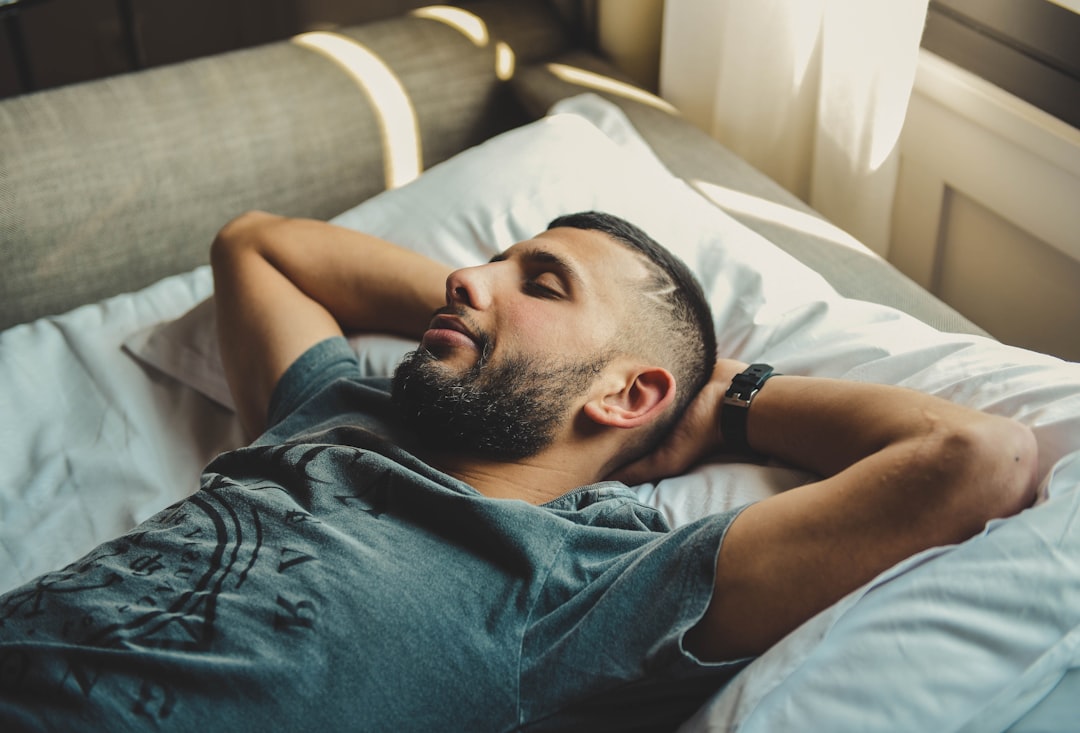
    Man reads a book while relaxing on a bed at night
    Photo by The Ridge Ohio on Unsplash

    Voiding Diary — Why It Helps

    Keeping a voiding diary can be a practical tool for individuals experiencing nocturia. By recording the times and volumes of urination, men can identify patterns and potential triggers for their nighttime trips to the bathroom. Many urologists recommend this diary as a helpful step before evaluation, providing valuable insights into one’s urinary habits. The European Association of Urology[2] (EAU) supports the use of such diaries to facilitate effective communication with healthcare providers.

    When to Seek Medical Evaluation

    Not all instances of nocturia require medical intervention; however, if it disrupts sleep or occurs two or more times a night, it’s wise to consult a healthcare provider. Many underlying causes of nocturia are treatable, and early evaluation can lead to better management of the condition. Both the Mayo Clinic[3] and the NIDDK[1] suggest that understanding the root causes of nocturia can improve outcomes and enhance quality of life for older men dealing with this issue.

    Frequently Asked Questions

    Is nocturia normal with age?

    Nocturia is more common with age, particularly in men over 60. However, it’s essential to understand the underlying causes.

    What causes it in men vs women?

    While both genders can experience nocturia, men are often affected by prostate enlargement and hormonal changes, whereas women may face issues related to bladder capacity and pelvic floor changes.

    Can it be treated?

    Yes, many underlying factors contributing to nocturia can be addressed through lifestyle adjustments, medication changes, or medical interventions.

    Does it indicate serious illness?

    Not necessarily, but nocturia can be a symptom of underlying health conditions such as diabetes or heart problems, warranting evaluation.

    How is it diagnosed?

    Diagnosis typically involves a comprehensive review of medical history, a voiding diary, and possibly tests to assess bladder function and kidney health.

    As men age, understanding the complexities of nocturia can be vital for maintaining overall health and well-being. By recognizing the various factors that contribute to this condition, individuals can make informed decisions regarding their urinary health.

    Sources and References

    1. National Institute of Diabetes and Digestive and Kidney Diseases (NIDDK). “Prostate Enlargement (Benign Prostatic Hyperplasia)”. 2024.
    2. European Association of Urology (EAU). “Nocturia — Patient Information”. 2023.
    3. Mayo Clinic. “Frequent urination — Causes”. 2024.
    4. American Urological Association (AUA). “Management of Lower Urinary Tract Symptoms Attributed to BPH: AUA Guideline (2026)”. 2026.

    Disclaimer: This article is for informational purposes only and does not constitute medical advice. Always consult with a qualified healthcare provider before making changes to your health regimen. Individual results vary.

  • Best Supplement for Bladder Control Women Over 50: Understanding Overactive Bladder

    Best Supplement for Bladder Control Women Over 50: Understanding Overactive Bladder

    Best Supplement for Bladder Control Women Over 50: Understanding Overactive Bladder

    Reviewed by Men’s Health Advisor Editorial Team

    Overactive bladder (OAB) affects approximately 30% of women over 50, according to the National Institute of Diabetes[2] and Digestive and Kidney Diseases (NIDDK). If you’re experiencing a sudden, strong urge to urinate that’s difficult to defer, you’re not alone. As you consider the best supplement for bladder control women over 50, it’s crucial to explore various lifestyle, behavioral, and dietary approaches to manage this condition effectively.

    Clinical Highlights

    • Prevalence: About 30% of women over 50 experience OAB symptoms.
    • Primary cause: OAB is primarily characterized by urgency and increased urinary frequency, not caused by a single muscle malfunction.
    • Key risk factors: Age, menopause, and certain medical conditions can increase the risk of developing OAB.
    • Main management approaches: Behavioral therapies, dietary modifications, and pelvic floor therapy are commonly recommended.
    • When to see a doctor: It’s essential to consult a healthcare provider if OAB symptoms interfere with your daily life.

    Understanding Overactive Bladder and Its Symptoms

    Overactive bladder is a group of urinary symptoms characterized by urgency — a sudden, strong need to urinate — usually occurring with increased frequency and nocturia, and sometimes accompanied by urgency incontinence. It’s defined by these symptoms, rather than a confirmed pathological mechanism. The American Urological Association[1] and Society of Urodynamics, Female Pelvic Medicine & Urogenital Reconstruction outline that OAB can significantly impact quality of life, making effective management essential.

    Urgency: The Defining Symptom

    The hallmark of OAB is urgency, which is described as a sudden and compelling desire to void that is difficult to defer. This is distinct from a normal urge to urinate, which can typically be postponed. According to the AUA/SUFU[1] 2024 guidelines, this urgency can lead to anxiety and stress, as the inability to control the urge can be socially and psychologically taxing.

    Understanding Urge Incontinence: When Urgency Leads to Leakage

    Urge incontinence is a common manifestation associated with OAB. It can be categorized into wet OAB, where urgency leads to involuntary leakage of urine, and dry OAB, where urgency does not result in leakage. It’s important to note that mixed incontinence, which includes both urge and stress components, may coexist in some individuals. This complexity necessitates a thorough evaluation to tailor a management approach, as noted by the NIDDK[2].

    Conditions That Can Cause Similar Urgency Symptoms

    Certain neurological conditions, such as multiple sclerosis, Parkinson’s disease, stroke, and spinal cord injuries, can cause urgency symptoms that resemble OAB. These conditions are classified as neurogenic bladder dysfunction and require careful medical evaluation to differentiate them from idiopathic OAB. Proper diagnosis is critical to ensure appropriate management, as emphasized by the AUA/SUFU[1] 2024 guidelines.

    Urinary Tract Infections as a Differential Diagnosis

    Urinary tract infection (UTI) symptoms can mimic those of OAB, making it essential to rule out infection before proceeding with OAB treatment. UTIs can cause urgency, frequency, and discomfort, which may lead to misdiagnosis. According to the AUA/SUFU[1] 2024 guidelines, confirming the absence of a UTI is an important first step in managing OAB symptoms effectively.

    Diabetes and Bladder Function

    Diabetic neuropathy can significantly affect bladder function, contributing to symptoms such as urgency and increased frequency. As noted in the AUA/SUFU[1] 2024 guidelines, women with diabetes may experience bladder issues that complicate their OAB symptoms. Understanding this connection is crucial for effective management, as addressing blood sugar levels may also impact bladder health.

    Menopause and Bladder Changes

    The decline in estrogen levels during menopause affects the urothelium and pelvic floor, resulting in a higher prevalence of OAB among postmenopausal women. The NIDDK[2] highlights that hormonal changes can influence bladder function, making it essential for women in this age group to be aware of the connection between menopause and OAB symptoms.

    Bladder Training Techniques

    Bladder training involves techniques such as scheduled voiding and urge suppression strategies. These methods are recommended as initial behavioral therapies for OAB. The AUA/SUFU[1] recommends bladder training to help regain control over urgency and frequency, ultimately improving quality of life for those affected.

    Fluid and Caffeine Management

    Managing your fluid intake and caffeine consumption can play a significant role in alleviating OAB symptoms. While reducing caffeine can help decrease urgency and frequency, it’s also vital to avoid excessive fluid restriction, which can lead to dehydration. The AUA/SUFU[1] 2024 guidelines suggest a balanced approach to fluid management to optimize bladder health.

    A woman looking thoughtful and composed, representing bladder health challenges

    Pelvic Floor Therapy

    Pelvic floor muscle training, often conducted with the guidance of a trained physical therapist, can be beneficial for women experiencing OAB. This therapy focuses on strengthening the pelvic floor muscles and includes urge suppression techniques. As recommended by the AUA/SUFU[1] 2024 guidelines, working with a pelvic floor physical therapist can enhance the effectiveness of OAB management strategies.

    When to Seek Medical Evaluation

    If you’re experiencing symptoms of OAB, it’s important to seek medical evaluation rather than accepting it as an inevitable part of aging. OAB is highly treatable, and early intervention can lead to better outcomes. The NIDDK[2] encourages individuals to discuss their symptoms with a healthcare provider to explore potential management options.

    Frequently Asked Questions

    Is OAB the same as incontinence?

    No, OAB is characterized by urgency and frequency, while incontinence refers specifically to involuntary leakage of urine.

    Can it be cured?

    While there is no definitive cure for OAB, many management strategies can significantly alleviate symptoms.

    Does age cause OAB?

    OAB is more common with age, but it is not solely caused by aging; other factors such as hormonal changes and medical conditions play a role.

    What foods or drinks worsen OAB symptoms?

    Certain foods and beverages, including caffeine, alcohol, and spicy foods, can exacerbate OAB symptoms.

    Is pelvic floor therapy effective?

    Yes, pelvic floor therapy can be an effective treatment for many individuals with OAB, helping to strengthen the pelvic muscles and improve bladder control.

    As you navigate the complexities of bladder health, understanding the underlying factors and management strategies can empower you to take control of your symptoms. Consult with a healthcare provider to discuss tailored approaches that suit your individual needs.

    Sources and References

    1. American Urological Association / Society of Urodynamics, Female Pelvic Medicine & Urogenital Reconstruction. “The AUA/SUFU Guideline on the Diagnosis and Treatment of Idiopathic Overactive Bladder”. 2024.
    2. National Institute of Diabetes and Digestive and Kidney Diseases (NIDDK). “Bladder Control Problems (Urinary Incontinence)”. 2021.
    3. Healthline. “Overactive Bladder: Symptoms, Causes, and Treatments”. 2026.

    Disclaimer: This article is for informational purposes only and does not constitute medical advice. Always consult with a qualified healthcare provider before making changes to your health regimen. Individual results vary.

  • Does Prostate Health Affect Erections: Understanding the Connection

    Does Prostate Health Affect Erections: Understanding the Connection

    Does Prostate Health Affect Erections: Understanding the Connection

    Reviewed by Men’s Health Advisor Editorial Team

    As we navigate life after 50, our bodies undergo various changes that can influence our overall health, including sexual function. One area of concern for many men during this stage is erectile dysfunction (ED). A common question that arises is: does prostate health affect erections? Understanding how prostate health relates to erectile function can help clarify concerns and guide discussions with healthcare providers.

    At a Glance

    • Erectile dysfunction is a condition where achieving or maintaining an erection becomes challenging.
    • It’s more common with age and can be linked to various physical and psychological factors.
    • Prostate health issues can potentially influence erectile function.
    • Many underlying conditions, such as cardiovascular disease, can contribute to ED.
    • Treatment options are available and vary based on the root cause.

    Understanding Erectile Dysfunction: How Prostate Health Plays a Role

    Erectile dysfunction (ED) is defined as the inability to achieve or maintain an erection sufficient for satisfactory sexual performance. While it’s often viewed as an embarrassing issue, it’s important to note that ED is common and treatable, especially among men aged 45-65. According to the Mayo Clinic[2], it’s estimated that about 30 million men in the U.S. experience some form of ED.

    The National Institute of Diabetes[1] and Digestive and Kidney Diseases (NIDDK) further emphasizes that while it can be a distressing condition, understanding the underlying causes can pave the way for effective management. Prostate health is a crucial aspect to consider, as prostate issues may influence erectile function in various ways.

    The Link Between Prostate Health and Erectile Function

    When it comes to erectile function, adequate blood flow is essential. Reduced blood flow can significantly affect the ability to achieve an erection. This is where prostate health can come into play. Conditions affecting the prostate, such as benign prostatic hyperplasia (BPH) or prostate cancer, can lead to changes that may impact erectile function.

    According to the Mayo Clinic[2], the prostate’s position near the bladder and its role in the male reproductive system means that any issues with the prostate can influence sexual health. Moreover, the relationship between heart health and erectile function is well-documented. Harvard Health[3] Publishing notes that poor cardiovascular health can lead to reduced blood flow, which is critical for achieving and maintaining an erection.

    Hormonal Influences on Erectile Function

    Testosterone plays a vital role in male sexual health, including erectile function. While testosterone levels naturally decline with age, clinically low levels of testosterone may contribute to erectile dysfunction. This decline can affect libido, energy levels, and the ability to achieve an erection.

    The Mayo Clinic[2] highlights that while many factors can influence testosterone levels, maintaining hormonal balance is essential for overall sexual health. It’s important to discuss any concerns about testosterone levels with a healthcare provider, especially if ED is experienced alongside other symptoms.

    The Impact of Metabolic Health on Erections

    Metabolic health is another crucial factor when considering erectile dysfunction. Conditions such as diabetes, obesity, and metabolic syndrome can greatly increase the risk of ED. The NIDDK[1] notes that these conditions can lead to vascular damage and reduced blood flow, both of which are essential for achieving an erection.

    For example, diabetes can damage blood vessels and nerves that are critical for an erection, making effective management of metabolic health vital for maintaining erectile function. According to the Mayo Clinic[2], addressing these conditions through lifestyle changes can help improve both metabolic and erectile health.

    Medications and Their Effects on Erectile Function

    Certain medications can also affect erectile function, making it essential to consider any prescriptions you may be taking. Classes of medications that may contribute to ED include antihypertensives, antidepressants, and some anti-anxiety medications.

    The NIDDK[1] emphasizes that while these medications are important for managing various health issues, they can have side effects, including erectile dysfunction. If you suspect your medication may be affecting your sexual health, it’s essential to speak with your prescribing physician. Never stop or adjust any medication without consulting your healthcare provider.

    The Psychological Component of Erectile Dysfunction

    While this article focuses on physiological causes of ED, it’s worth mentioning that psychological factors can also play a role. Stress, anxiety, and depression can influence sexual performance and contribute to erectile dysfunction. However, a dedicated article will cover this topic in depth, as psychological factors require a nuanced understanding.

    The NIDDK[1] indicates that addressing mental health alongside physical health can be crucial in managing ED. It’s essential to take a holistic approach to treatment, incorporating both physical and psychological considerations.

    Neurological and Structural Factors Impacting Erections

    Nerve damage or conditions affecting the spine can also lead to erectile dysfunction. Damage to the nerves that control erections can stem from various sources, including injury or certain diseases.

    According to the Mayo Clinic[2], structural issues or nerve-related problems can complicate erectile function. Understanding the potential neurological causes can help in formulating an effective treatment plan with a healthcare provider.

    A mature man looking thoughtful, representing concerns about men's sexual health

    When to Seek Professional Help for Erectile Dysfunction

    If you’re experiencing persistent erectile dysfunction, it’s essential to seek evaluation from a healthcare professional. This condition can indicate underlying cardiovascular or metabolic issues that require attention.

    The NIDDK[1] stresses that discussing symptoms openly with a doctor is crucial for determining the best course of action, as early intervention can lead to better outcomes.

    Lifestyle Changes That May Improve Erectile Function

    Incorporating healthy lifestyle changes can significantly impact erectile function and overall health. Here are some strategies that may help:

    • Exercise regularly: Aim for at least 150 minutes of moderate aerobic activity each week, as recommended by the NIDDK.
    • Eat a balanced diet: Focus on whole foods, including fruits, vegetables, lean proteins, and healthy fats.
    • Manage stress: Practice relaxation techniques such as yoga or meditation to help reduce anxiety and stress levels.
    • Limit alcohol: Excessive alcohol consumption can negatively affect sexual performance.
    • Quit smoking: Smoking can impair blood flow and contribute to erectile dysfunction.

    Implementing these changes can contribute to improved overall health and may positively affect erectile function.

    A Cautionary Note on Supplements

    While many people are drawn to natural supplements in hopes of improving erectile function, it’s essential to approach these with caution. The U.S. Food and Drug Administration[4] (FDA) warns that some supplements may contain undeclared pharmaceutical ingredients, which can pose health risks.

    It’s always best to consult with a healthcare provider before trying any new supplement or alternative treatment to ensure safety and appropriateness.

    If you are researching a specific prostate supplement, we put together a closer look at what is actually in one widely-discussed formula, including a fact-check of its marketing claims.

    Frequently Asked Questions

    Is erectile dysfunction reversible?

    Erectile dysfunction can often be treated or managed effectively, depending on the underlying cause.

    Does age play a role in erectile dysfunction?

    Yes, while erectile dysfunction becomes more common with age, it can affect men at any age.

    How is erectile dysfunction related to heart disease?

    Conditions that affect cardiovascular health can impede blood flow, which is crucial for achieving and maintaining an erection.

    When should I see a doctor about erectile dysfunction?

    If you experience persistent difficulties with erections, it’s advisable to consult a healthcare professional for evaluation.

    How does lifestyle affect erectile function?

    Healthy lifestyle choices can positively impact erectile function and overall health, potentially reducing the risk of developing erectile dysfunction.

    Understanding the various factors that contribute to erectile dysfunction, including prostate health, is essential for men navigating this life stage. Staying informed and proactive can lead to better health outcomes and improved well-being.

    Sources and References

    1. National Institute of Diabetes and Digestive and Kidney Diseases (NIDDK). “Erectile Dysfunction (ED)”. 2024.
    2. Mayo Clinic. “Erectile dysfunction — Symptoms and causes”. 2025.
    3. Harvard Health Publishing. “Erectile Dysfunction (ED)”. 2024.
    4. U.S. Food and Drug Administration (FDA). “Sexual Enhancement and Energy Product Notifications”. 2026.
    5. American Urological Association (AUA). “Erectile Dysfunction: AUA Guideline (2018)”. 2018.
    6. Cleveland Clinic. “Erectile Dysfunction (ED): Causes, Diagnosis & Treatment”. 2023.
    7. Healthline. “Erectile Dysfunction (ED): Symptoms, Causes, and Treatment”. 2024.

    Disclaimer: This article is for informational purposes only and does not constitute medical advice. Always consult with a qualified healthcare provider before making changes to your health regimen. Individual results vary.

  • Natural Remedies for Erectile Dysfunction Over 50: Lifestyle Approaches and More

    Natural Remedies for Erectile Dysfunction Over 50: Lifestyle Approaches and More

    Natural Remedies for Erectile Dysfunction Over 50: Lifestyle Approaches and More

    Reviewed by Men’s Health Advisor Editorial Team

    Erectile dysfunction (ED) affects approximately 30 million men in the United States, particularly those over 50, according to the Mayo Clinic[2]. If you’re experiencing difficulties, you’re not alone, and there are various natural remedies and lifestyle changes that may help manage this condition.

    Clinical Highlights

    • Prevalence: ED is common in men aged 50 and older, with increasing incidence as age progresses.
    • Primary cause: Reduced blood flow often contributes to ED, linking it closely to cardiovascular health.
    • Key risk factors: Factors such as obesity, diabetes, and hormonal changes can escalate the risk of developing ED.
    • Main management approaches: Lifestyle changes, dietary adjustments, and psychological considerations can play a crucial role in managing ED.
    • When to see a doctor: Persistent ED should prompt a medical evaluation to rule out underlying health issues.

    Understanding Erectile Dysfunction and Its Natural Remedies

    Erectile dysfunction is the inability to attain or maintain an erection sufficient for sexual intercourse. While it can be distressing, it’s important to recognize that ED is more common with age and is often treatable, as noted by the National Institute of Diabetes[1] and Digestive and Kidney Diseases (NIDDK).

    How Blood Flow Affects Erectile Function

    Reduced blood flow is a key factor in erectile dysfunction. When blood vessels become narrow or damaged, it hinders the ability to achieve an erection. This reduction in blood flow can be linked to cardiovascular health, indicating that conditions affecting heart function may also impact erectile capability. Harvard Health[3] Publishing emphasizes the connection between vascular health and erectile function, underscoring the importance of maintaining a healthy heart.

    The Role of Hormones in Erectile Health

    Testosterone plays a significant role in sexual function, including erectile health. While not the only factor, clinically low testosterone levels can contribute to the difficulty in achieving an erection. According to the Mayo Clinic[2], it’s worth discussing any concerns about hormonal balance with your healthcare provider.

    The Impact of Metabolic Health on Erectile Function

    Metabolic health is closely related to erectile dysfunction, particularly through conditions like diabetes, obesity, and metabolic syndrome. These factors can damage blood vessels and nerves associated with erections, increasing the risk of ED. The NIDDK[1] highlights how managing weight and blood sugar levels can be crucial for improving erectile function.

    Medications That May Affect Erectile Function

    Certain medications can have side effects that include erectile dysfunction. Classes of drugs such as antihypertensives and antidepressants are known to potentially contribute to this condition. If you’re concerned that your medication may be affecting your sexual health, it’s essential to consult your prescribing physician, as the NIDDK[1] advises against stopping any medication without professional guidance.

    Psychological Factors That May Contribute to ED

    While the primary focus on ED often lies in physical causes, psychological stressors like anxiety and depression can also play a role. These factors can complicate or exacerbate erectile difficulties. For more detailed psychological insights, a dedicated article would provide in-depth coverage, as noted by the NIDDK[1].

    Neurological and Structural Causes of ED

    Certain neurological and structural issues can also lead to erectile dysfunction. For instance, nerve damage resulting from conditions like diabetes or spinal injuries can interfere with sexual function. Additionally, structural conditions may affect erectile capability. The Mayo Clinic[2] provides insights into these complex relationships between nerve health and erectile function.

    When to Consult a Healthcare Professional

    If you experience persistent erectile dysfunction, it’s important to seek a healthcare evaluation. This could indicate underlying cardiovascular or metabolic conditions that require attention. The NIDDK[1] emphasizes that addressing these issues early can lead to better outcomes.

    Lifestyle Approaches to Improve Erectile Health

    Adopting a healthier lifestyle can significantly impact erectile function. Consider the following strategies:

    A mature man looking thoughtful, representing concerns about men's sexual health
    • Exercise regularly: Aim for at least 150 minutes of moderate exercise each week, as per NIDDK recommendations. Aerobic activity can enhance blood flow and improve cardiovascular health.
    • Eat a balanced diet: A diet rich in fruits, vegetables, whole grains, and lean proteins may support overall health and reduce the risk of ED.
    • Prioritize sleep: Quality sleep is essential for hormonal balance and overall well-being; aim for 7-9 hours per night.
    • Limit alcohol consumption: Excessive alcohol can impair sexual function; moderation is key.
    • Quit smoking: Smoking can damage blood vessels and restrict blood flow, contributing to ED.

    The NIDDK[1] highlights these lifestyle changes as potential avenues to enhance erectile health.

    A Note on Natural Supplements

    Natural supplements are often sought after for ED, but the FDA[4] has issued warnings about the potential for undeclared pharmaceutical ingredients in such products. While many individuals may turn to these options, it’s crucial to approach them with caution and consult a healthcare provider for tailored advice.

    Frequently Asked Questions

    Is erectile dysfunction reversible?

    While some cases may be reversible, particularly those linked to lifestyle factors, others may require ongoing management.

    Does aging increase the likelihood of ED?

    Yes, the prevalence of erectile dysfunction tends to increase with age, particularly after age 50.

    Is there a connection between ED and heart disease?

    Yes, there’s a significant link, as reduced blood flow from cardiovascular issues can lead to erectile dysfunction.

    When should I see a doctor about ED?

    If you experience persistent difficulties, it’s advisable to consult a healthcare professional to rule out underlying health issues.

    How can lifestyle changes impact erectile function?

    Adopting healthier habits—like regular exercise and a balanced diet—can improve erectile function by enhancing blood flow and overall health.

    Improving erectile function often involves a multifaceted approach, combining lifestyle changes, dietary adjustments, and open conversations with healthcare providers. By understanding the various aspects of this condition, you can take informed steps toward better sexual health.

    Sources and References

    1. National Institute of Diabetes and Digestive and Kidney Diseases (NIDDK). “Erectile Dysfunction (ED)”. 2024.
    2. Mayo Clinic. “Erectile dysfunction — Symptoms and causes”. 2025.
    3. Harvard Health Publishing. “Erectile Dysfunction (ED)”. 2024.
    4. U.S. Food and Drug Administration (FDA). “Sexual Enhancement and Energy Product Notifications”. 2026.
    5. American Urological Association (AUA). “Erectile Dysfunction: AUA Guideline (2018)”. 2018.
    6. Cleveland Clinic. “Erectile Dysfunction (ED): Causes, Diagnosis & Treatment”. 2023.
    7. Healthline. “Erectile Dysfunction (ED): Symptoms, Causes, and Treatment”. 2024.

    Disclaimer: This article is for informational purposes only and does not constitute medical advice. Always consult with a qualified healthcare provider before making changes to your health regimen. Individual results vary.

  • Why Can’t I Maintain an Erection After 50: Understanding the Mechanisms Behind Erectile Dysfunction

    Why Can’t I Maintain an Erection After 50: Understanding the Mechanisms Behind Erectile Dysfunction

    Why Can’t I Maintain an Erection After 50: Understanding the Mechanisms Behind Erectile Dysfunction

    Reviewed by Men’s Health Advisor Editorial Team

    When blood flow to the penis is insufficient, it can lead to difficulties in achieving or maintaining an erection. This reduction in blood flow is often linked to several underlying health issues that can become more pronounced as men age. This common condition, known as erectile dysfunction (ED), affects many men over the age of 50 and can significantly impact their quality of life. Understanding the factors that contribute to this condition is essential for addressing it effectively.

    Understanding the Condition

    Erectile dysfunction is characterized by the consistent inability to achieve or maintain an erection suitable for sexual activity. It’s more common with age and can result from various physical and psychological factors. While it can be distressing, it’s essential to note that this condition is often treatable, and many men can regain function with appropriate interventions. According to the Mayo Clinic[2], ED affects as many as 30 million men in the United States, making it a prevalent issue in the population.

    Increased Difficulty in Achieving and Maintaining an Erection

    For many men over 50, experiencing difficulty in achieving or maintaining an erection can be both frustrating and concerning. This sensation may begin as a slight struggle, which can escalate into complete impotence over time. The feelings of inadequacy associated with this condition can lead to anxiety, impacting self-esteem and relationships.

    Men often report a range of emotions tied to these experiences, including disappointment and embarrassment. Additionally, the physical sensation of pleasure during sexual activity may diminish, leading to a cycle of anxiety that further complicates the problem. The psychological impact can be as significant as the physical difficulties, often requiring comprehensive approaches to address both.

    Reduced Blood Flow and Its Impact on Erections

    Adequate blood flow is crucial for achieving an erection. As men age, the health of their blood vessels can deteriorate, leading to reduced circulation. Conditions such as atherosclerosis, where arteries become narrowed or blocked, can hinder blood flow to the penis. This relationship between cardiovascular health and erectile function is well documented. The Mayo Clinic[2] emphasizes that poor heart health can directly contribute to erectile dysfunction.

    Moreover, high blood pressure and high cholesterol can exacerbate this issue, making it essential to maintain cardiovascular health as one ages. Harvard Health[3] Publishing notes that managing these conditions can significantly improve erectile function, highlighting the interconnectedness of overall health and sexual performance.

    Hormonal Changes Affecting Erectile Function

    Testosterone plays a vital role in sexual function, and its levels naturally decline with age. While not the only factor in erectile dysfunction, lower testosterone levels can contribute to difficulties in maintaining an erection. The Mayo Clinic[2] notes that men can experience a variety of symptoms associated with low testosterone, including reduced sexual desire and energy levels.

    It’s important to understand that while low testosterone might play a role in ED, it is not the sole factor. Other health concerns often accompany hormonal changes, making it crucial to evaluate all potential underlying issues.

    Metabolic Health and Its Connection to ED

    Conditions like diabetes, obesity, and metabolic syndrome are significant risk factors for erectile dysfunction. The National Institute of Diabetes[1] and Digestive and Kidney Diseases (NIDDK) highlights that these conditions can damage blood vessels and nerves that are essential for achieving an erection.

    Diabetes, in particular, can lead to nerve damage and vascular changes that severely impact sexual health. Obesity is also linked to hormonal changes and reduced cardiovascular health, further complicating the situation. The Mayo Clinic[2] underscores the importance of maintaining a healthy weight and managing metabolic health to support sexual function.

    Medications That May Affect Erectile Function

    Certain medications can contribute to erectile dysfunction as a side effect. Antihypertensives, antidepressants, and some prostate medications are among the drug classes known to potentially lead to difficulties in maintaining an erection. According to the NIDDK[1], it’s essential to discuss any concerns about medications with a healthcare provider.

    If you’re experiencing erectile dysfunction and suspect your medication may be a contributing factor, it’s vital to never stop or adjust any medication without speaking to your prescribing physician. This approach ensures safety and allows for proper management of your health.

    Psychological Factors in Erectile Dysfunction

    While physical health is crucial, psychological factors can also play a significant role in erectile dysfunction. Stress, anxiety, and depression can all contribute to difficulties in maintaining an erection. Although this article focuses primarily on physical causes, it’s important to acknowledge that mental health can significantly impact sexual performance.

    This topic requires a dedicated discussion, but the NIDDK[1] notes that addressing underlying psychological issues can be a critical component of treatment for erectile dysfunction.

    Neurological and Structural Causes of ED

    In some cases, nerve damage, spinal injuries, or structural abnormalities can lead to erectile dysfunction. Conditions affecting the nervous system can impair the signals necessary for achieving an erection. According to the Mayo Clinic[2], injuries or diseases that impact nerve pathways may hinder sexual function.

    A mature man looking thoughtful, representing concerns about men's sexual health

    Additionally, conditions such as Peyronie’s disease, characterized by the formation of scar tissue, can lead to curvature of the penis and difficulties in achieving an erection. Understanding these structural factors can help guide appropriate treatment options.

    When to Seek Professional Help

    If you find that erectile dysfunction becomes a persistent issue, it’s advisable to seek evaluation from a healthcare professional. Persistent ED may indicate underlying health concerns, including cardiovascular or metabolic conditions. The NIDDK[1] emphasizes that addressing these issues early can prevent further complications and improve overall health.

    A thorough evaluation can help determine the specific causes of erectile dysfunction, allowing for a tailored approach to treatment.

    Lifestyle Changes That May Support Erectile Function

    Making lifestyle changes can have a positive impact on erectile dysfunction. Regular exercise, a balanced diet, and healthy sleep patterns are crucial. The NIDDK[1] recommends aiming for at least 150 minutes of moderate aerobic exercise each week to support cardiovascular health, which is essential for erectile function.

    Additionally, reducing alcohol consumption and quitting smoking can further enhance overall health and improve erectile function. These changes can lead to better blood flow, hormone balance, and psychological well-being, all of which contribute to improved sexual performance.

    A Cautionary Note on Supplements

    As natural supplements become increasingly popular for addressing erectile dysfunction, it’s essential to approach them with caution. The U.S. Food and Drug Administration[4] (FDA) warns that many products marketed as supplements may contain undeclared pharmaceutical ingredients. These substances can pose health risks and may not be safe.

    If you’re considering supplements for erectile dysfunction, it’s best to consult with a healthcare professional to ensure safety and efficacy.

    Frequently Asked Questions

    Is erectile dysfunction reversible?

    Erectile dysfunction can often be improved or reversed by addressing underlying health issues, making lifestyle changes, or seeking medical treatment.

    Does age factor into erectile dysfunction?

    Yes, erectile dysfunction becomes more common with age due to various physical and hormonal changes.

    Is there a relationship between erectile dysfunction and heart disease?

    Erectile dysfunction can be an early indicator of cardiovascular problems, as both conditions share similar risk factors.

    When should I see a doctor about erectile dysfunction?

    If erectile dysfunction is persistent, it’s advisable to consult a healthcare professional to rule out underlying health concerns.

    How does lifestyle impact erectile function?

    Healthy lifestyle choices, such as regular exercise and a balanced diet, can improve erectile function and overall well-being.

    While erectile dysfunction can be a challenging issue, understanding its causes and potential treatments can empower men to seek help and improve their sexual health. Addressing the underlying factors in a comprehensive manner can lead to significant improvements in quality of life.

    Sources and References

    1. National Institute of Diabetes and Digestive and Kidney Diseases (NIDDK). “Erectile Dysfunction (ED)”. 2024.
    2. Mayo Clinic. “Erectile dysfunction — Symptoms and causes”. 2025.
    3. Harvard Health Publishing. “Erectile Dysfunction (ED)”. 2024.
    4. U.S. Food and Drug Administration (FDA). “Sexual Enhancement and Energy Product Notifications”. 2026.
    5. American Urological Association (AUA). “Erectile Dysfunction: AUA Guideline (2018)”. 2018.
    6. Cleveland Clinic. “Erectile Dysfunction (ED): Causes, Diagnosis & Treatment”. 2023.
    7. Healthline. “Erectile Dysfunction (ED): Symptoms, Causes, and Treatment”. 2024.

    Disclaimer: This article is for informational purposes only and does not constitute medical advice. Always consult with a qualified healthcare provider before making changes to your health regimen. Individual results vary.

  • Natural Remedies for Overactive Bladder in Women Over 60

    Natural Remedies for Overactive Bladder in Women Over 60

    Natural Remedies for Overactive Bladder in Women Over 60

    By the Adult Health Advisor Editorial Team

    You’ve noticed an urgent need to use the bathroom more often, and it seems to interrupt your day-to-day activities. If you’ve been waking up several times at night or feel an overwhelming urgency that’s hard to control, you may be experiencing symptoms of overactive bladder (OAB). Natural remedies for overactive bladder in women over 60 can be explored through lifestyle, behavioral, and dietary adjustments that may help you manage these symptoms more effectively.

    Key Points

    1. Overactive bladder is characterized by urgency, increased frequency, and nocturia rather than a specific muscle dysfunction. 2. Understanding the urgency that defines OAB can help distinguish it from normal bladder urges. 3. Urge incontinence may occur when urgency leads to leakage, and some women may experience mixed incontinence. 4. Neurological conditions and urinary tract infections can mimic OAB symptoms, making proper evaluation essential. 5. Lifestyle modifications such as bladder training, fluid management, and pelvic floor therapy can provide relief.

    Understanding Overactive Bladder in Women Over 60

    Overactive bladder is a group of urinary symptoms characterized by urgency — a sudden, strong need to urinate — usually occurring with increased frequency and nocturia, and sometimes with urgency incontinence. It’s essential to understand that OAB is defined by these symptoms rather than a confirmed pathological mechanism. This condition is more common with age, and many women may notice these changes as they enter their 60s and beyond (according to the American Urological Association[1]/Society of Urodynamics, Female Pelvic Medicine & Urogenital Reconstruction).

    The Urgency of Overactive Bladder

    Urgency is the defining symptom of OAB, described as a sudden compelling desire to void that can be difficult to defer. This feeling is not the same as a regular urge to urinate; it’s often much more intense and can be accompanied by anxiety about making it to the bathroom in time. Understanding this distinction is crucial as it can help you articulate your experience better during discussions with healthcare providers (American Urological Association[1]/Society of Urodynamics, Female Pelvic Medicine & Urogenital Reconstruction).

    Urge Incontinence — When Urgency Leads to Leakage

    Overactive bladder can be categorized into wet OAB, where urgency leads to leakage, and dry OAB, where urgency is present without leakage. In some cases, women may even experience mixed incontinence, where both urge and stress components coexist. Recognizing these patterns can assist you in managing symptoms and discussing your specific experiences with a healthcare professional (National Institute of Diabetes[2] and Digestive and Kidney Diseases – NIDDK).

    Conditions That Can Cause Similar Urgency Symptoms

    Certain neurological conditions, such as multiple sclerosis, Parkinson’s disease, stroke, or spinal cord injury, can cause symptoms that resemble OAB. These conditions are classified as neurogenic bladder dysfunction and require specialist evaluation. If you notice sudden changes in your bladder habits, it’s essential to speak to a medical professional to ensure an accurate diagnosis (American Urological Association[1]/Society of Urodynamics, Female Pelvic Medicine & Urogenital Reconstruction).

    Urinary Tract Infection as a Differential Diagnosis

    Symptoms of a urinary tract infection (UTI) can mimic those of OAB, leading to urgency and increased frequency. Before assuming you have OAB, it’s vital to rule out a UTI through proper medical evaluation. If you have persistent symptoms or find that they worsen, consulting with your healthcare provider is important (American Urological Association[1]/Society of Urodynamics, Female Pelvic Medicine & Urogenital Reconstruction).

    Diabetes and Bladder Function

    Diabetes can lead to diabetic neuropathy, which may affect the nerves that control bladder function. This condition can contribute to urgency and frequency of urination. If you have diabetes and experience bladder symptoms, it’s worth discussing with your doctor, as managing your diabetes may also help alleviate some bladder issues (American Urological Association[1]/Society of Urodynamics, Female Pelvic Medicine & Urogenital Reconstruction).

    Menopause and Bladder Changes

    As women enter menopause, a decline in estrogen can affect the urothelium and pelvic floor, leading to an increased prevalence of OAB symptoms. Postmenopausal women may find that their bladder habits change, and recognizing this can help in seeking appropriate management strategies (National Institute of Diabetes[2] and Digestive and Kidney Diseases – NIDDK).

    Bladder Training Techniques

    One effective approach to managing OAB is bladder training, which involves scheduled voiding and techniques to suppress the urge to urinate. This behavior-focused therapy encourages you to gradually increase the time between bathroom visits, which may help retrain your bladder. The American Urological Association[1] recommends this method as an initial behavioral therapy for OAB (American Urological Association/Society of Urodynamics, Female Pelvic Medicine & Urogenital Reconstruction).

    Managing Fluid Intake and Caffeine

    Adjusting your fluid intake and reducing caffeine can have a meaningful impact on OAB symptoms. While it’s important to stay hydrated, moderating your total fluid consumption and limiting caffeinated beverages may help reduce urgency and frequency. It’s crucial, however, to avoid excessive fluid restriction, which can lead to other health issues (American Urological Association[1]/Society of Urodynamics, Female Pelvic Medicine & Urogenital Reconstruction).

    Smiling senior woman standing outdoors near stone buildings
    Photo by Age Cymru on Unsplash
    Photo by Nick Fox on Unsplash

    The Benefits of Pelvic Floor Therapy

    Pelvic floor muscle training can be a beneficial natural remedy for OAB. Working with a pelvic floor physical therapist can provide you with personalized exercises and techniques to strengthen these muscles and improve bladder control. Many women find that these strategies can help manage their symptoms more effectively (American Urological Association[1]/Society of Urodynamics, Female Pelvic Medicine & Urogenital Reconstruction).

    When to Seek Medical Evaluation

    If you’re experiencing symptoms of OAB, remember that this condition is highly treatable. Seeking medical evaluation can provide you with a tailored approach to manage your symptoms rather than accepting them as a part of aging. Early intervention can lead to better outcomes, so don’t hesitate to discuss your experiences with a healthcare provider (National Institute of Diabetes[2] and Digestive and Kidney Diseases – NIDDK).

    Frequently Asked Questions

    Is OAB the same as incontinence?

    No, OAB is characterized by urgency and increased frequency, while incontinence refers specifically to the involuntary leakage of urine.

    Can it be cured?

    While there may not be a definitive cure, various management strategies can help control symptoms effectively.

    Does age cause OAB?

    OAB is more common with age, but it’s not solely caused by aging; other factors can contribute, including hormonal changes and health conditions.

    What foods or drinks worsen it?

    Caffeinated beverages, alcohol, and spicy foods can exacerbate OAB symptoms for some individuals.

    Is pelvic floor therapy effective?

    Many women find pelvic floor therapy effective in managing OAB symptoms by strengthening the muscles involved in bladder control.

    Managing overactive bladder may feel challenging, but understanding the condition and exploring natural remedies can provide relief and improve your quality of life. By focusing on lifestyle modifications and working closely with healthcare professionals, you can find strategies that work for you.

    Sources and References

    1. American Urological Association / Society of Urodynamics, Female Pelvic Medicine & Urogenital Reconstruction. “The AUA/SUFU Guideline on the Diagnosis and Treatment of Idiopathic Overactive Bladder”. 2024.
    2. National Institute of Diabetes and Digestive and Kidney Diseases (NIDDK). “Bladder Control Problems (Urinary Incontinence)”. 2021.
    3. Healthline. “Overactive Bladder: Symptoms, Causes, and Treatments”. 2026.

    Disclaimer: This article is for informational purposes only and does not constitute medical advice. Always consult with a qualified healthcare provider before making changes to your health regimen. Individual results vary.

  • Overactive Bladder in Women Over 50 Causes and Solutions: Understanding the Underlying Factors

    Overactive Bladder in Women Over 50 Causes and Solutions: Understanding the Underlying Factors

    Overactive Bladder in Women Over 50 Causes and Solutions: Understanding the Underlying Factors

    By the Adult Health Advisor Editorial Team

    Overactive bladder in women over 50 is a common condition that can disrupt daily life. It’s characterized by an urgent need to urinate, often accompanied by increased frequency and nighttime voiding. While this issue can be frustrating, understanding its root causes is key to finding effective solutions. Many factors contribute to this condition, especially as women age.

    What You’ll Learn

    1. What are the primary symptoms of overactive bladder? 2. Why does urgency become more common in women over 50? 3. How can menopause impact bladder function? 4. Which lifestyle changes can help manage overactive bladder symptoms? 5. When should you seek professional help for OAB?

    Understanding Overactive Bladder Symptoms in Women Over 50

    Overactive bladder is a group of urinary symptoms characterized by urgency — a sudden, strong need to urinate. This urgency often occurs with increased frequency, and many women experience nocturia, or waking up at night to urinate. Some may also have urgency incontinence, where they leak urine due to the sudden urge. It’s important to note that OAB is defined by these symptoms rather than a confirmed pathological mechanism. According to the American Urological Association[1] and the Society of Urodynamics, Female Pelvic Medicine & Urogenital Reconstruction, these symptoms can vary widely among individuals.

    The Nature of Urgency in Overactive Bladder

    Urgency is the defining symptom of overactive bladder. It’s characterized by a sudden compelling desire to void that can be challenging to defer. This sensation is different from a normal urge to urinate, which is more gradual and manageable. The urgency associated with OAB can create anxiety and a sense of urgency that disrupts everyday activities. The American Urological Association[1] and the Society of Urodynamics, Female Pelvic Medicine & Urogenital Reconstruction emphasize that this urgency is a crucial aspect of OAB.

    Urge Incontinence: When Urgency Leads to Leakage

    When urgency leads to involuntary leakage of urine, it’s termed urge incontinence. There are two types of overactive bladder: wet OAB, where leakage occurs, and dry OAB, where no leakage happens. It’s also possible for women to experience mixed incontinence, which includes both urge and stress incontinence. This complexity highlights the importance of understanding the different presentations of OAB. The National Institute of Diabetes[2] and Digestive and Kidney Diseases (NIDDK) notes that recognizing these distinctions can help in tailored management strategies.

    Conditions Mimicking Overactive Bladder Symptoms

    Several neurological conditions can cause urgency symptoms similar to OAB. Conditions like multiple sclerosis, Parkinson’s disease, stroke, and spinal cord injuries can lead to detrusor overactivity, which might resemble OAB symptoms. However, these are classified as neurogenic bladder dysfunction and require specialized evaluation. It’s essential to work with healthcare professionals to determine the right diagnosis. The American Urological Association[1] and the Society of Urodynamics, Female Pelvic Medicine & Urogenital Reconstruction stress the importance of proper medical evaluation for accurate diagnosis and treatment.

    The Role of Urinary Tract Infections

    Urinary tract infections (UTIs) can present symptoms that mimic those of overactive bladder. Many women may experience urgency, frequency, and discomfort during urination when they have a UTI. Therefore, it’s crucial to rule out an infection before diagnosing OAB. The American Urological Association[1] and the Society of Urodynamics, Female Pelvic Medicine & Urogenital Reconstruction recommend conducting tests to check for UTIs before proceeding with treatment for OAB.

    Diabetes and Its Impact on Bladder Function

    Diabetes can also affect bladder function, primarily through diabetic neuropathy. This condition can damage the nerves that control bladder function, leading to symptoms like urgency and increased frequency. Managing blood sugar levels is essential to minimize these symptoms. The American Urological Association[1] and the Society of Urodynamics, Female Pelvic Medicine & Urogenital Reconstruction highlight the relationship between diabetes and bladder issues, emphasizing the need for comprehensive management of both conditions.

    Menopause and Its Effects on Bladder Changes

    The decline in estrogen levels during menopause can influence bladder health. Estrogen plays a vital role in maintaining the health of the urothelium and pelvic floor muscles. As estrogen levels drop, many postmenopausal women experience a higher prevalence of overactive bladder symptoms. This hormonal change can lead to alterations in bladder sensitivity and function. The National Institute of Diabetes[2] and Digestive and Kidney Diseases (NIDDK) notes that understanding these hormonal shifts can aid in addressing OAB symptoms effectively.

    Strategies for Bladder Training

    Bladder training is often recommended as one of the first behavioral therapies for managing OAB. This approach involves scheduled voiding and techniques to suppress the urge to urinate. Learning to control urges and gradually extending the time between bathroom visits can help improve bladder function. The American Urological Association[1] and the Society of Urodynamics, Female Pelvic Medicine & Urogenital Reconstruction support bladder training as an effective initial strategy for individuals dealing with OAB.

    Managing Fluid Intake and Caffeine

    Managing your fluid intake can be a helpful strategy in controlling OAB symptoms. Reducing caffeine and regulating total fluid consumption can help lessen urgency and frequency. However, it’s essential to avoid excessive fluid restriction, as this can lead to dehydration and other health issues. The American Urological Association[1] and the Society of Urodynamics, Female Pelvic Medicine & Urogenital Reconstruction advise finding a balance in fluid management to support bladder health.

    A woman looking thoughtful and composed, representing bladder health challenges

    The Benefits of Pelvic Floor Therapy

    Pelvic floor therapy can be beneficial for women experiencing OAB. This therapy often involves targeting the pelvic floor muscles to improve strength and control. Working with a pelvic floor physical therapist can help women learn techniques for urge suppression and muscle training. The American Urological Association[1] and the Society of Urodynamics, Female Pelvic Medicine & Urogenital Reconstruction recommend this approach as an effective strategy for managing OAB symptoms.

    When to Seek Medical Evaluation for Overactive Bladder

    It’s important to remember that overactive bladder is highly treatable. If you’re experiencing symptoms that interfere with your daily life, don’t hesitate to seek evaluation from a healthcare professional. Understanding that OAB is not something you have to accept can lead to better management and improved quality of life. The National Institute of Diabetes[2] and Digestive and Kidney Diseases (NIDDK) emphasizes the importance of seeking help rather than accepting OAB as an inevitable part of aging.

    Frequently Asked Questions

    Is OAB the same as incontinence?

    No, overactive bladder is a symptom complex characterized by urgency, frequency, and nocturia, while incontinence refers specifically to the involuntary loss of urine.

    Can overactive bladder be cured?

    While there’s no definitive cure for overactive bladder, many effective management strategies can help control symptoms and improve quality of life.

    Does age cause overactive bladder?

    Overactive bladder is more common with age, particularly in women over 50, due to hormonal changes and other physiological factors.

    What foods and drinks worsen OAB symptoms?

    Caffeinated beverages, alcohol, spicy foods, and acidic fruits can exacerbate OAB symptoms in some individuals.

    Is pelvic floor therapy effective for OAB?

    Yes, pelvic floor therapy can be an effective method for managing OAB symptoms by strengthening pelvic muscles and improving bladder control.

    Overactive bladder can be a complex issue, but understanding its causes and exploring effective management strategies can lead to better outcomes. If you’re experiencing symptoms, consider discussing them with a healthcare provider who can guide you toward the best options for your situation.

    Sources and References

    1. American Urological Association / Society of Urodynamics, Female Pelvic Medicine & Urogenital Reconstruction. “The AUA/SUFU Guideline on the Diagnosis and Treatment of Idiopathic Overactive Bladder”. 2024.
    2. National Institute of Diabetes and Digestive and Kidney Diseases (NIDDK). “Bladder Control Problems (Urinary Incontinence)”. 2021.
    3. Healthline. “Overactive Bladder: Symptoms, Causes, and Treatments”. 2026.

    Disclaimer: This article is for informational purposes only and does not constitute medical advice. Always consult with a qualified healthcare provider before making changes to your health regimen. Individual results vary.

  • Why Do I Leak Urine When I Sneeze or Cough After 50: Understanding Stress Urinary Incontinence

    Why Do I Leak Urine When I Sneeze or Cough After 50: Understanding Stress Urinary Incontinence

    Why Do I Leak Urine When I Sneeze or Cough After 50: Understanding Stress Urinary Incontinence

    By the Adult Health Advisor Editorial Team

    You’ve noticed that when you laugh, sneeze, or even cough, you sometimes experience a little leakage. This can feel embarrassing and frustrating, especially when these moments happen unexpectedly. If you find yourself asking, “Why do I leak urine when I sneeze or cough after 50?”, you might be experiencing a condition known as stress urinary incontinence (SUI). It’s more common with age, and understanding it can help you regain control over your life.

    Key Points

    1. Stress urinary incontinence involves leakage of urine during activities that increase abdominal pressure, like sneezing or coughing. 2. Weakened pelvic floor muscles are often the underlying cause of SUI. 3. Hormonal changes, particularly after menopause, can contribute to the weakening of pelvic support structures. 4. Certain lifestyle factors, such as obesity and chronic coughing, can exacerbate SUI. 5. Treatment options range from pelvic floor exercises to professional therapy and, in some cases, surgical interventions.

    Understanding Stress Urinary Incontinence and Its Symptoms

    When you experience leakage during moments of physical stress—like sneezing, coughing, laughing, or exercising—you might be dealing with stress urinary incontinence. This condition is characterized by involuntary leakage of urine triggered by activities that increase pressure in the abdomen. According to the National Institute of Diabetes[1] and Digestive and Kidney Diseases (NIDDK), SUI differs from urgency urinary incontinence, which involves a sudden and strong urge to urinate. In SUI, the leakage occurs without that urgent sensation, making it a distinct experience that many find distressing.

    The Role of Weak Pelvic Floor Muscles

    As you age, your pelvic floor muscles may weaken, which can lead to problems with maintaining urethral closure during physical stress. These muscles are crucial for supporting the bladder and controlling urination. When you sneeze or cough, the pressure increases in your abdomen, and if your pelvic floor muscles aren’t strong enough, leakage can occur. The NIDDK[1] highlights that these weakened muscles fail to provide the necessary support, allowing urine to escape.

    Hormonal Changes After Menopause

    For many women over 50, menopause brings a decline in estrogen levels, which plays a key role in maintaining the strength and elasticity of pelvic tissues. This hormonal shift can lead to a weakening of the structures that support the urethra, increasing the risk of stress urinary incontinence. The NIDDK[1] notes that this decline can affect the overall integrity of the pelvic floor, contributing to symptoms of SUI.

    History of Pregnancy and Childbirth

    If you’ve had children, especially through vaginal delivery, the experience can stretch and potentially damage the pelvic floor muscles and nerves. These changes can increase the risk of experiencing urinary leakage later in life. The NIDDK[1] explains that multiple births can further exacerbate the weakening of pelvic support, leading to a higher likelihood of developing SUI as you age.

    Obesity and Increased Abdominal Pressure

    Extra weight can put additional pressure on your bladder and pelvic floor, which may lead to or worsen stress urinary incontinence. Studies indicate that losing weight can often meanfully reduce SUI symptoms. The NIDDK[1] emphasizes that managing body weight can be an effective strategy in alleviating some of the pressures contributing to urinary leakage.

    The Impact of Chronic Coughing or Sneezing

    If you suffer from chronic respiratory conditions, such as asthma or allergies, frequent coughing can aggravate or trigger stress urinary incontinence. Each cough places pressure on the bladder, which can lead to leakage. According to the American Urological Association[2] (AUA), addressing the underlying cause of chronic coughing may help mitigate SUI symptoms.

    Effects of Hysterectomy and Pelvic Surgery

    Women who have undergone a hysterectomy or other pelvic surgeries might find themselves at a higher risk of developing stress urinary incontinence. These surgeries can affect the pelvic floor muscles, nerves, and support structures of the urethra. The NIDDK[1] recognizes this as a significant risk factor for SUI, emphasizing the importance of understanding how surgical history can influence your urinary health.

    Strengthening with Pelvic Floor Exercises

    One way to help manage stress urinary incontinence is through pelvic floor exercises, commonly known as Kegel exercises. These exercises focus on strengthening the pelvic floor muscles, which can provide better support to the bladder. The NIDDK[1] suggests identifying these muscles by imagining trying to stop the passage of gas or prevent urine from leaking. Once identified, you can contract, hold for a few seconds, and then release these muscles—doing this consistently can yield meaningful improvements over time. However, it’s important to avoid doing these exercises while urinating, as this can weaken the muscles.

    Seeking Professional Pelvic Floor Therapy

    If you’re struggling with SUI, working with a pelvic floor physical therapist can be beneficial. These professionals can teach you the proper techniques for pelvic floor exercises, use biofeedback, and create a personalized program. According to the American Urological Association[2] (AUA), professional therapy is often more effective than trying to manage the condition on your own.

    An active woman doing light exercise, representing pelvic floor health and lifestyle management

    Making Lifestyle Adjustments

    Making certain lifestyle changes can also help manage stress urinary incontinence. This includes maintaining a healthy weight, quitting smoking (to reduce chronic coughing), and treating any respiratory conditions you may have. The AUA[2] notes that these practical adjustments can meaningfully impact your symptoms and overall well-being.

    Medical and Surgical Options Available

    If lifestyle changes and pelvic floor exercises aren’t enough, there are medical or surgical options available specifically for managing stress urinary incontinence. It’s important to note that medications used for urgency or overactive bladder (like anticholinergics) are not indicated for SUI. Options for SUI include mechanical support devices like pessaries, urethral bulking agents, and surgical procedures such as mid-urethral sling or Burch colposuspension. The NIDDK[1] encourages those experiencing SUI to seek a thorough evaluation to determine the best course of action.

    When to Seek Evaluation

    If you’re experiencing symptoms of stress urinary incontinence, it’s important to know that it is treatable. Many individuals hesitate to seek help due to embarrassment, but early evaluation can lead to effective management options. The NIDDK[1] emphasizes that addressing these symptoms can lead to a more comfortable and fulfilling life.

    Frequently Asked Questions

    Is SUI the same as OAB?

    No, stress urinary incontinence is pressure-triggered leakage, while overactive bladder (OAB) is characterized by urgency-driven leakage.

    Can SUI improve without surgery?

    Yes, many individuals find that pelvic floor therapy and lifestyle changes can help manage and improve symptoms.

    Does menopause cause SUI?

    The decline in estrogen during menopause weakens pelvic support, which can contribute to the development of SUI.

    Are Kegel exercises enough?

    Kegel exercises are often the first-line approach for mild to moderate SUI, but professional therapy may be needed for more severe cases.

    Can SUI and urgency incontinence coexist?

    Yes, it’s possible to experience both conditions, which is referred to as mixed incontinence.

    Understanding stress urinary incontinence can help you navigate this common issue with more confidence. By exploring different management strategies and seeking support, you can regain control over your urinary health and enjoy a more active lifestyle.

    Sources and References

    1. National Institute of Diabetes and Digestive and Kidney Diseases (NIDDK). “Bladder Control Problems (Urinary Incontinence)”. 2021.
    2. American Urological Association (AUA). “Surgical Treatment of Female Stress Urinary Incontinence (SUI): AUA/SUFU Guideline (2023)”. 2023.
    3. American Urological Association / Society of Urodynamics, Female Pelvic Medicine & Urogenital Reconstruction. “Updates to Surgical Treatment of Female Stress Urinary Incontinence: AUA/SUFU Guideline (2023)”. 2023.
    4. Healthline. “Stress Incontinence: Causes, Symptoms & Treatments”. 2020.

    Disclaimer: This article is for informational purposes only and does not constitute medical advice. Always consult with a qualified healthcare provider before making changes to your health regimen. Individual results vary.