Depression and Erectile Dysfunction: Understanding the Two-Way Street
By the Adult Health Advisor Editorial Team
Depression and erectile dysfunction (ED) often intersect in a complex relationship. While one can influence the other, understanding this connection is crucial. It’s important to know that psychological factors can meaningfully contribute to erectile dysfunction, especially in men aged 45 and older. However, physical issues can also play a role, making this a multifaceted concern.
What You’ll Learn
- Why is psychological ED different from physical ED?
- How can morning erections provide clues about erectile dysfunction?
- What role does performance anxiety play in ED?
- When should you consider seeking professional help for these issues?
- Which psychological factors can impact sexual function?
This article aims to clarify the distinctions between psychological and physical erectile dysfunction (ED), explore the role of morning erections in diagnosis, and discuss the psychological factors that can impact sexual function. Additionally, it will address when to seek professional help and the importance of communication in relationships.
Understanding Psychological ED
When we talk about psychological erectile dysfunction (ED), it’s essential to distinguish it from physical ED. Psychological ED involves the nervous system and mental state rather than vascular damage. In men over 45, the causes of ED can frequently coexist, including vascular, metabolic, medication-related, and psychological factors. This means that while psychological issues are a real and common contributor to ED, they aren’t the sole cause.
Erectile dysfunction is defined as the inability to get or keep an erection firm enough for sexual intercourse [1]. This condition can arise from a mix of both psychological and physical factors. For instance, the presence of normal morning erections typically suggests that the vascular and neurological mechanisms for erection are intact, pointing toward a psychological cause [2].
Understanding the nuances of psychological ED can help demystify the experience. It’s not merely a matter of willpower or desire; it’s a complex interplay of mental health and physical responses.
Psychological ED is characterized by the absence of physical causes, focusing instead on emotional and mental health factors. This type of ED can arise from anxiety, stress, or relationship issues, making it essential to consider the psychological context when evaluating erectile difficulties. Understanding these nuances can help men approach their situation with greater clarity.
Morning Erections as a Clinical Signal
Morning erections can serve as a valuable clinical signal when evaluating erectile dysfunction. If a man experiences these erections, it often suggests that the vascular mechanisms are functional. This means that the issue may be more psychological than physical. However, it’s crucial to remember that only a healthcare provider can determine the underlying cause of ED.
Healthcare providers may ask about morning erections as one clue in distinguishing psychological from physical ED. This is not a definitive test, and only a doctor can determine the cause [2]. If morning erections are intact, it may indicate that the body can achieve an erection but that psychological barriers may be interfering during intimate moments.
Understanding this can provide some relief. It suggests that the body is capable, and the focus may need to shift to addressing the psychological factors at play.
Morning erections, also known as nocturnal penile tumescence, can indicate that the physiological mechanisms for achieving an erection are functioning properly. This can help differentiate between psychological and physical causes of ED. However, while they provide useful insights, they should not be viewed as conclusive evidence of the underlying issue.
Performance Anxiety
Performance anxiety is one of the most common psychological causes of erectile dysfunction. The cycle is self-reinforcing: the fear of failing to maintain an erection leads to anxiety, which can impair erections, reinforcing the fear. This cycle can create a daunting barrier to intimacy.
When a man experiences performance anxiety, it can lead to a heightened state of nervousness during sexual encounters. This anxiety can stem from past experiences, societal pressures, or personal insecurities. As the anxiety builds, it can create a mental block that makes it even more challenging to achieve or maintain an erection [1].
Breaking this cycle often requires understanding and addressing the root causes of the anxiety. It’s important to realize that many men face this challenge, and seeking support can be a crucial step toward overcoming it.
Performance anxiety can significantly hinder sexual performance, creating a cycle where fear leads to anxiety, which in turn impairs erections. This cycle can be particularly challenging, as the anticipation of failure can overshadow the experience of intimacy, making it crucial to address these fears to improve sexual health.
Depression and Sexual Function
Depression can have a profound impact on sexual function. It often reduces libido and can contribute to erectile dysfunction. This reduction in sexual desire can create a vicious cycle, where the lack of intimacy further exacerbates feelings of depression.
Moreover, some antidepressant medications may also affect sexual function. While these medications can be essential for managing depression, they can have side effects that impact sexual health [1]. It’s vital to discuss any concerns about sexual function with a healthcare provider, as adjustments may be necessary.
Understanding the relationship between depression and erectile dysfunction can help men navigate their mental health and sexual health more effectively. It’s a reminder that both aspects of well-being are interconnected and deserve attention.
The interplay between depression and sexual function is complex, as depression can diminish libido and contribute to erectile dysfunction. Recognizing this relationship is vital for men experiencing both conditions, as addressing one can often lead to improvements in the other, highlighting the importance of comprehensive mental health care.
Stress and Sexual Function
Chronic stress can interfere with sexual arousal and performance. The mental and physical demands of sustained stress shift the body into a state that is not conducive to sexual arousal. Elevated stress hormones are associated with reduced sexual response, which can lead to difficulties in maintaining an erection.
Some research suggests that prolonged stress may affect hormone balance, but it’s essential to approach this with caution. Chronic stress elevates cortisol levels, which can suppress testosterone and disrupt the hormonal and vascular responses needed for an erection [1].
Recognizing the impact of stress on sexual health is crucial. It may be beneficial to explore stress management techniques, such as mindfulness, exercise, or counseling, to help alleviate some of the pressures that can interfere with sexual function.
Chronic stress can have detrimental effects on sexual function, as it may lead to hormonal imbalances that inhibit arousal. Understanding the connection between stress and erectile dysfunction can empower individuals to seek effective stress management strategies, which may, in turn, improve their sexual health.
Relationship and Communication Factors
The dynamics of a relationship can significantly influence sexual health. Relationship conflict, poor communication, or trust issues can manifest as sexual difficulties. These factors can create an emotional environment that is not conducive to intimacy.
When partners struggle with unresolved conflict or lack effective communication, it can lead to feelings of frustration and disconnection. This emotional strain can contribute to erectile dysfunction, making it essential to address relationship issues directly [2].
Fostering open communication and working through conflicts can help rebuild intimacy and trust. Couples may find that seeking therapy together can provide valuable tools for improving both their relationship and sexual health.
The quality of a relationship can greatly influence sexual health. Issues such as unresolved conflicts or poor communication can create emotional barriers that contribute to erectile dysfunction. Addressing these relational dynamics is essential for fostering intimacy and improving sexual function.
Fear After Previous Sexual Difficulties
Experiencing erectile dysfunction can create anticipatory anxiety. A single episode can lead to fear that it will happen again, which can itself cause subsequent episodes. This cycle of fear and anxiety can be particularly challenging to break.
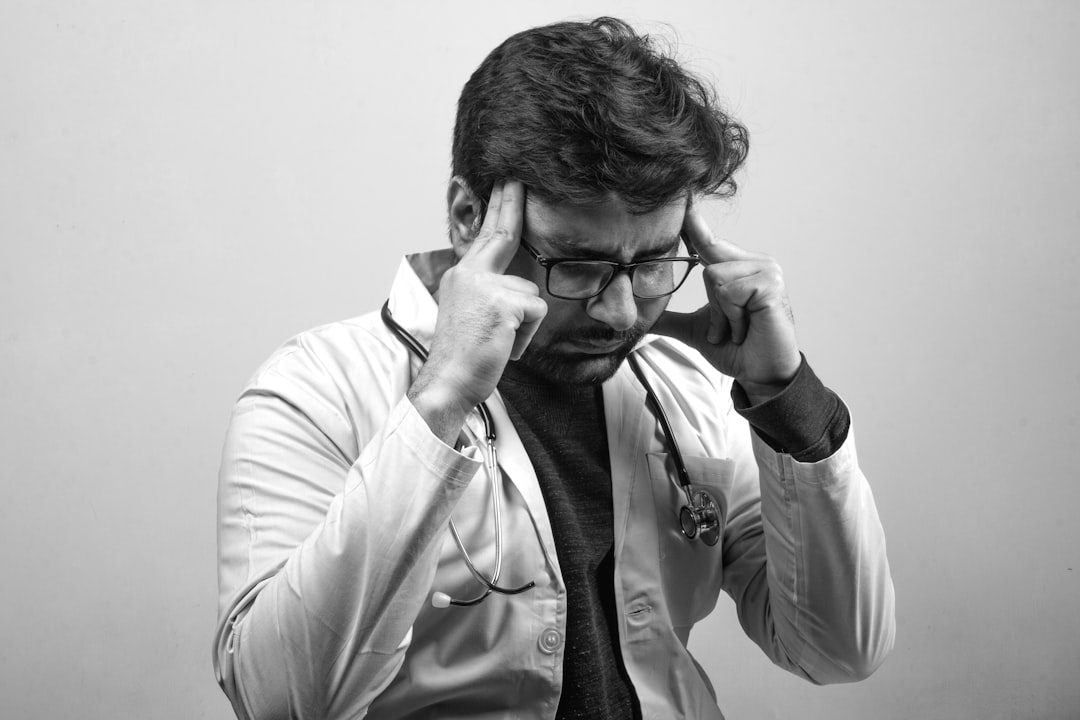
When a man has a negative experience related to sexual performance, it can linger in the back of his mind. Each subsequent encounter may be clouded by the fear of failure, creating a self-perpetuating cycle of anxiety and dysfunction [2].
Addressing this anticipatory anxiety often requires a combination of self-reflection and professional support. Understanding that this cycle is common can help alleviate some of the pressure and encourage men to seek help.
Experiencing erectile dysfunction can lead to anticipatory anxiety, where the fear of recurrence creates a cycle of anxiety and dysfunction. Recognizing this pattern is important, as it can help men understand that they are not alone in their experiences and that support is available to break this cycle.
Situational vs Persistent ED
Erectile dysfunction can be categorized into two types: situational and persistent. Situational ED occurs in some contexts but not others, often suggesting a psychological cause. For example, a man may find he can achieve an erection during masturbation but struggles with a partner. This scenario often points to psychological factors at play.
On the other hand, persistent ED, which occurs across all contexts, is more likely to have a physical component. Understanding the distinction between these two types can help guide the approach to treatment [1].
If you notice patterns in your experiences with ED, discussing these with a healthcare provider can be beneficial. They can help assess the situation and determine the best course of action.
Distinguishing between situational and persistent ED is crucial for understanding the underlying causes. Situational ED often points to psychological factors, while persistent ED may indicate physical issues. This distinction can guide treatment approaches and help individuals address their specific challenges.
Psychotherapy and Sex Therapy
Psychological treatments can be effective for addressing psychological ED. Approaches such as cognitive behavioral therapy (CBT), sex therapy, and couples counseling have evidence supporting their use in this context [2].
These therapies can help individuals and couples explore the emotional and psychological factors contributing to erectile dysfunction. They provide a safe space to address fears, anxieties, and relationship dynamics that may be impacting sexual health.
If you’re considering therapy, it’s essential to consult with a qualified professional who specializes in sexual health. They can guide you through the process and help you find the best strategies to improve your situation.
Psychotherapy and sex therapy can provide valuable support for men dealing with psychological ED. These therapeutic approaches can help individuals and couples explore the emotional factors contributing to their difficulties, fostering a deeper understanding and facilitating healing.
When Physical Causes Coexist
In men over 45, it’s common for physical and psychological causes of erectile dysfunction to coexist. A physical condition may trigger the initial episode, and psychological anxiety can then perpetuate it [1].
This overlap makes medical evaluation important. A healthcare provider can help rule out or treat physical causes, ensuring that both aspects of the issue are addressed.
Understanding that both physical and psychological factors can play a role can empower men to seek comprehensive care. It’s not just about addressing one aspect; it’s about understanding the whole picture.
The coexistence of physical and psychological factors in erectile dysfunction is common, especially in older men. Recognizing this overlap is essential for comprehensive evaluation and treatment, as addressing both aspects can lead to more effective management of ED.
When to Seek Evaluation
If you’re experiencing persistent erectile dysfunction, it’s important to speak with a healthcare provider. This condition can signal underlying health issues, such as heart disease or diabetes, which may require attention [1].
Both primary care physicians and specialists in urology or sexual health can provide valuable insights and treatment options. Don’t hesitate to reach out for help; addressing these concerns can lead to improved well-being and quality of life.
If erectile dysfunction persists, seeking evaluation from a healthcare provider is crucial. This condition can be a sign of underlying health issues that require attention, making it important to address any concerns promptly for overall well-being.
Frequently Asked Questions
Can psychological ED be overcome?
Yes, psychological ED can often be addressed through therapy and support. Many men find that understanding and addressing the underlying issues can lead to improvement.
How is it diagnosed?
Diagnosis typically involves a thorough medical history and physical examination. Healthcare providers may also ask about psychological factors and sexual performance patterns.
Does age make it more common?
Yes, erectile dysfunction can become more common with age, particularly due to the interplay of physical and psychological factors.
Can it affect healthy men?
Absolutely, even men who are otherwise healthy can experience psychological ED due to stress, anxiety, or relationship issues.
When to see a doctor?
If erectile dysfunction persists, it’s important to consult a healthcare provider. They can help identify any underlying issues and recommend appropriate treatment.
In conclusion, understanding the relationship between depression and erectile dysfunction is crucial for addressing these interconnected issues. It’s a journey that requires patience, self-compassion, and often professional support.
Sources and References
- National Institute of Diabetes and Digestive and Kidney Diseases (NIDDK). “Erectile Dysfunction (ED)”. 2024.
- Mayo Clinic. “Erectile dysfunction — Symptoms and causes”. 2025.
Disclaimer: This article is for informational purposes only and does not constitute medical advice. Always consult with a qualified healthcare provider before making changes to your health regimen. Individual results vary.
Leave a Reply