How to Maintain Strength and Independence as You Age: Practical Strategies for Healthy Living
By the Adult Health Advisor Editorial Team
As we age, our bodies and minds undergo various changes that can impact our strength and independence. According to MedlinePlus, as we age, our minds and bodies change, and a healthy lifestyle can help you manage those changes and may prevent some health problems [1]. Understanding these changes and actively engaging in lifestyle choices can help you maintain your vitality and independence well into your later years.
Clinical Highlights
- Prevalence: Many adults aged 45-65 experience changes in physical and mental health as they age.
- Primary cause: Aging naturally affects muscle mass, bone density, and cognitive function.
- Key risk factors: Sedentary lifestyle, poor nutrition, and lack of mental stimulation can accelerate health decline.
- Main management approaches: Regular physical activity, balanced nutrition, and mental engagement can support healthy aging.
- When to see a doctor: Consult a healthcare provider if you notice significant changes in strength, mobility, or cognitive function.
Understanding the clinical implications of aging is crucial for promoting health and well-being. Many adults aged 45-65 experience significant changes in both physical and mental health, which can impact their quality of life. Recognizing these changes early allows for timely interventions. Key risk factors such as a sedentary lifestyle and poor nutrition can exacerbate health decline, making it essential to adopt proactive management strategies that include regular physical activity and mental engagement.
Understanding Age-Related Changes and Influencing Factors
Aging is a natural process that brings about various changes in both physical and mental health. While some factors, such as genetics, are beyond your control, many aspects of aging can be influenced by lifestyle choices. Engaging in healthy habits can help you manage these changes effectively.
As you age, muscle mass and strength may decline, which can affect your overall physical capabilities. Additionally, bone density tends to decrease, increasing the risk of fractures. On the mental side, cognitive functions, such as memory and processing speed, may also decline with age. However, it’s important to note that aging by itself does not prevent a man from enjoying sexual relationships [3].
A healthy lifestyle can play a significant role in how you experience these changes. Regular physical activity, a balanced diet, and mental engagement can help mitigate some of the challenges associated with aging. For instance, studies indicate that maintaining an active lifestyle can support muscle health and cognitive function [1].
Age-related changes can vary widely among individuals, influenced by a combination of genetic, environmental, and lifestyle factors. While genetics play a role in determining how one ages, lifestyle choices such as diet, exercise, and mental engagement can significantly impact the aging process. Understanding these influences can empower individuals to take charge of their health, enabling them to mitigate some of the adverse effects associated with aging and maintain a higher quality of life.
Nutrition After 50: Prioritizing Nutrient-Dense Foods
As you age, your caloric needs may decrease, but your nutrient requirements remain high. This means that focusing on nutrient-dense foods becomes increasingly important. A well-balanced diet can help you maintain strength and independence as you age.
To ensure you’re getting the nutrients you need, consider incorporating the following foods into your diet:
- Fruits and vegetables: Rich in vitamins, minerals, and antioxidants.
- Whole grains: Provide fiber and essential nutrients.
- Lean proteins: Such as poultry, fish, and legumes, which support muscle health.
- Low-fat dairy: Sources of calcium and vitamin D for bone health.
- Nuts and seeds: Offer healthy fats and protein.
According to MedlinePlus, as you age you may need fewer calories but still need enough nutrients, favoring nutrient-dense foods such as fruits, vegetables, whole grains, lean meats, low-fat dairy, nuts, and seeds [1]. This approach can help you maintain a healthy weight and support overall well-being.
Prioritizing nutrient-dense foods is essential for maintaining health after the age of 50. As caloric needs decrease, it becomes increasingly important to focus on foods that provide maximum nutritional value. Incorporating a variety of fruits, vegetables, whole grains, lean proteins, and healthy fats can help meet nutrient requirements while supporting overall health. This dietary approach not only aids in weight management but also contributes to the prevention of chronic diseases commonly associated with aging.
Movement: A Key Component of Healthy Aging
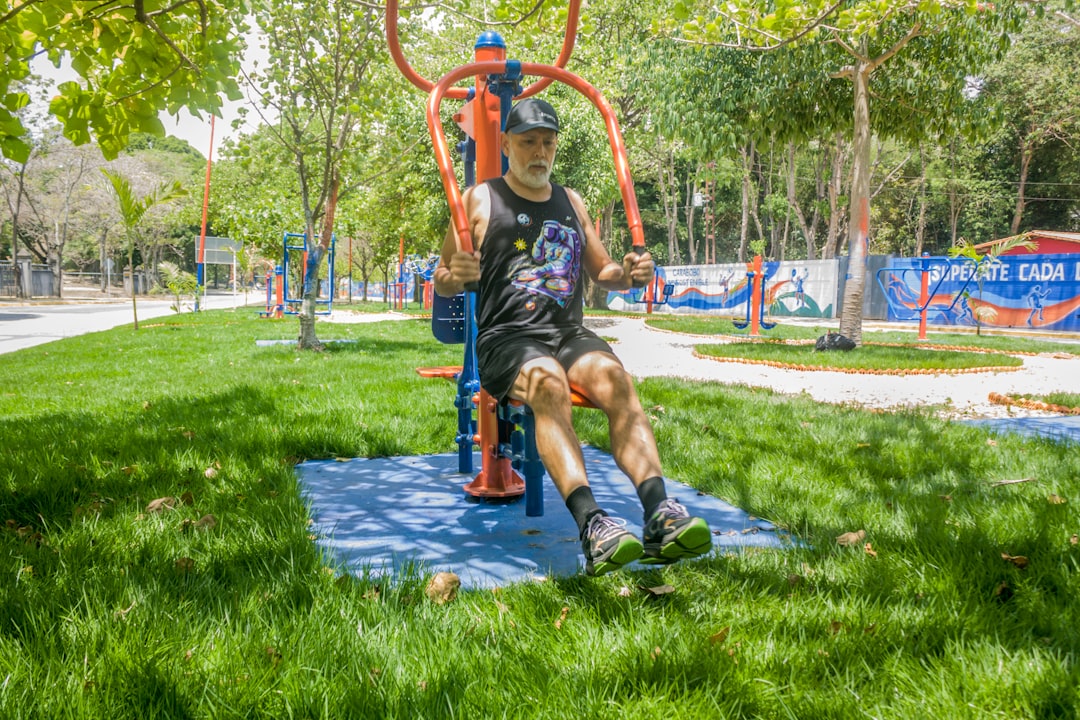
Physical activity is one of the most effective strategies for maintaining strength and independence as you age. Engaging in regular exercise can help you manage weight, improve cardiovascular health, and enhance muscle strength.
Here are some types of physical activities to consider:
- Aerobic exercises: Walking, swimming, or cycling can improve heart health and endurance.
- Strength training: Using weights or resistance bands can help maintain muscle mass.
- Flexibility exercises: Stretching or yoga can improve mobility and balance.
- Balance exercises: Activities like tai chi can help prevent falls, a common concern for older adults.
Being physically active may help you maintain a healthy weight and avoid chronic health problems [1]. It’s never too late to start taking care of your health; even small changes can make a meaningful difference [1].
Incorporating movement into your daily routine is vital for healthy aging. Regular physical activity not only helps maintain muscle strength but also supports cardiovascular health and enhances overall well-being. Engaging in a mix of aerobic, strength, flexibility, and balance exercises can provide comprehensive benefits. Even small amounts of activity can lead to significant improvements in health, making it essential to find enjoyable ways to stay active throughout the aging process.
Keeping the Mind Sharp: Engaging Your Cognitive Abilities
Maintaining mental sharpness is just as important as physical health. Engaging in activities that stimulate your mind can support memory and cognitive function. Here are some effective ways to keep your mind active:
- Learning new skills: Take up a new hobby or enroll in a class.
- Reading: Regular reading can help improve vocabulary and comprehension.
- Playing games: Puzzles, board games, and card games can enhance cognitive abilities.
Keeping your mind active with activities like learning new skills, reading, and playing games can support memory [1]. While age-related hormonal changes, sometimes referred to as andropause, may occur, they typically result in a general slowing rather than a complete loss of function [3].
Engaging in cognitive activities is crucial for maintaining mental sharpness as you age. Activities that challenge the brain, such as learning new skills or engaging in puzzles, can help preserve cognitive function and memory. Social interactions also play a key role in mental health, as they provide emotional support and stimulate cognitive engagement. By prioritizing mental activities, individuals can enhance their cognitive abilities and overall quality of life.

The HGH Question: Understanding Human Growth Hormone
The topic of human growth hormone (HGH) often comes up in discussions about maintaining strength and vitality as you age. However, it’s essential to approach this subject with a critical eye. Research on HGH in healthy adults has shown mixed results, and studies of healthy adults taking human growth hormone are limited and have shown mixed results [2].
While HGH may boost muscle mass and lower body fat, it’s important to note that the added muscle does not lead to gains in strength [2]. Furthermore, HGH treatment can cause side effects in healthy adults, including carpal tunnel syndrome, high blood sugar, swelling in the arms and legs, joint and muscle pain, and enlarged breasts in men [2].
Additionally, clinical studies of HGH in healthy older adults have been small and short, so little is known about its long-term effects [2]. Given these factors, it’s crucial to weigh the potential risks and benefits before considering HGH therapy.
The use of human growth hormone (HGH) in healthy aging is a complex topic that requires careful consideration. While some studies suggest potential benefits, the evidence remains inconclusive, and the risks associated with HGH therapy must be weighed against any possible advantages. Understanding the limitations of current research is essential for making informed decisions about HGH use, particularly given the potential for side effects and the lack of long-term data on its effects in older adults.
Natural Support for Healthy Aging: A Holistic Approach
In addition to diet and exercise, there are various natural approaches that can support healthy aging. These methods can complement your lifestyle choices and help you maintain strength and independence.
Consider incorporating the following practices into your routine:
- Stress management: Techniques such as meditation, deep breathing, or yoga can help reduce stress and improve overall well-being.
- Social engagement: Staying connected with friends and family can provide emotional support and enhance mental health.
- Adequate sleep: Prioritize good sleep hygiene to ensure restorative rest, which is vital for both mental and physical health.
As we age, our minds and bodies change, and a healthy lifestyle can help you manage those changes and may prevent some health problems [1]. Being physically active may help you maintain a healthy weight and avoid chronic health problems [1].
Sperm production slows with age, but age alone does not predict a man’s fertility. [3]
A holistic approach to healthy aging encompasses not just diet and exercise but also mental and emotional well-being. Practices such as stress management, social engagement, and adequate sleep are integral to maintaining overall health. By addressing multiple aspects of well-being, individuals can create a supportive environment that fosters resilience and vitality as they age. This comprehensive approach can significantly enhance quality of life and promote independence.
Frequently Asked Questions
What are some signs that I need to adjust my lifestyle as I age?
If you notice changes in your strength, mobility, or cognitive function, it may be time to reassess your lifestyle. Difficulty in performing daily tasks, increased fatigue, or memory lapses can indicate a need for lifestyle adjustments.
How can I start a fitness routine if I haven’t been active?
Begin with low-impact activities, such as walking or gentle stretching. Gradually increase the duration and intensity of your workouts. Consulting a healthcare provider before starting a new exercise program can also be beneficial.
Are there specific foods I should avoid as I age?
While there are no specific foods to completely avoid, it’s wise to limit processed foods, excessive sugar, and high-sodium items. Focusing on whole, nutrient-dense foods can support your overall health.
How often should I engage in mental activities?
Aim to engage in mental activities daily. Whether it’s reading, solving puzzles, or learning a new skill, keeping your mind active consistently can help support cognitive health.
When should I consider seeking medical advice about my health as I age?
If you experience significant changes in your physical or mental health, such as prolonged fatigue, memory issues, or difficulty with mobility, consult a healthcare provider for an evaluation.
Maintaining strength and independence as you age involves a multifaceted approach that includes nutrition, physical activity, mental engagement, and holistic practices. By understanding the changes that come with aging and actively working to support your health, you can enhance your quality of life and maintain your independence for years to come.
Sources and References
- MedlinePlus, U.S. National Library of Medicine (NIH). “Healthy Aging”. 2024.
- Mayo Clinic. “Human growth hormone (HGH): Does it slow aging?”. 2024.
- MedlinePlus, U.S. National Library of Medicine (NIH). “Aging changes in the male reproductive system”. 2024.
Disclaimer: This article is for informational purposes only and does not constitute medical advice. Always consult with a qualified healthcare provider before making changes to your health regimen. Individual results vary.
Leave a Reply